In our modern world, where indoor living has become the norm, ensuring the quality of the air we breathe indoors has never been more critical. The ventilation fan and filter system, a technological marvel, plays a crucial role in maintaining a healthy indoor environment. This article delves into the significance of ventilation fans and filters in improving indoor air quality and their impact on our overall well-being.
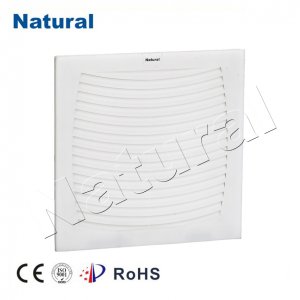
The Need for Clean Indoor Air With a substantial portion of our lives spent indoors, be it at home, office, or other enclosed spaces, the quality of indoor air becomes a matter of paramount importance. Poor indoor air quality can lead to various health issues, including respiratory problems, allergies, and even long-term health conditions. This is where ventilation fans and filters step in, acting as the first line of defense against indoor air pollutants. Ventilation Fans: Breathing Life into Indoor Spaces Ventilation fans, commonly integrated into HVAC (Heating, Ventilation, and Air Conditioning) systems, serve the essential purpose of maintaining a consistent flow of fresh air. They facilitate the exchange of indoor and outdoor air, preventing stagnation and ensuring a continuous supply of oxygen-rich air. During warmer months, ventilation fans expel hot and stagnant indoor air, replacing it with cooler outdoor air. This not only prevents indoor spaces from becoming uncomfortably hot but also reduces the concentration of airborne pollutants and allergens. In colder seasons, ventilation fans help control humidity levels by expelling excess moisture, which can otherwise lead to the growth of mold and mildew. Filters: The Unsung Heroes Filters work hand in hand with ventilation fans to enhance indoor air quality. These unassuming components trap and remove particulate matter, allergens, dust, pet dander, and even microorganisms, preventing them from recirculating in the air we breathe. High-efficiency particulate air (HEPA) filters, for instance, are renowned for their ability to capture particles as small as 0.3 micrometers with an impressive efficiency of 99.97%. By effectively removing these airborne contaminants, filters not only provide relief for allergy sufferers but also contribute to long-term health benefits. Clean air can lead to improved lung function, better sleep quality, and reduced risk of respiratory diseases. Synergy for a Healthier Home The synergy between ventilation fans and filters is where their true magic lies. Ventilation fans ensure a constant flow of fresh air, preventing indoor air from becoming stagnant and maintaining a healthy balance. Meanwhile, filters act as guardians, capturing and removing pollutants to ensure the air we inhale is as pure as possible. Regular maintenance of both ventilation fans and filters is essential to uphold their effectiveness. Clogged filters or malfunctioning fans can lead to subpar air quality, defeating their purpose. Homeowners should follow manufacturer guidelines for cleaning and replacing filters, as well as scheduling routine inspections of their ventilation systems. Conclusion In an era where the quality of our indoor environment directly affects our well-being, ventilation fans and filters have emerged as invaluable tools. Their combined efforts not only maintain the comfort of our living spaces but, more importantly, promote a healthier life by providing clean, fresh air to breathe. As we continue to prioritize our physical health, let us not overlook the silent heroes that work diligently behind the scenes to ensure the air we inhale is nothing short of invigorating.