In today’s rapidly industrializing world, air quality has become a significant concern, especially in indoor environments where we spend a substantial portion of our lives. The proliferation of pollutants and contaminants in the air has led to a growing demand for effective solutions to maintain clean and healthy indoor air. Among these solutions, industrial air filters play a crucial role in ensuring the well-being of occupants and optimizing the functionality of industrial processes.
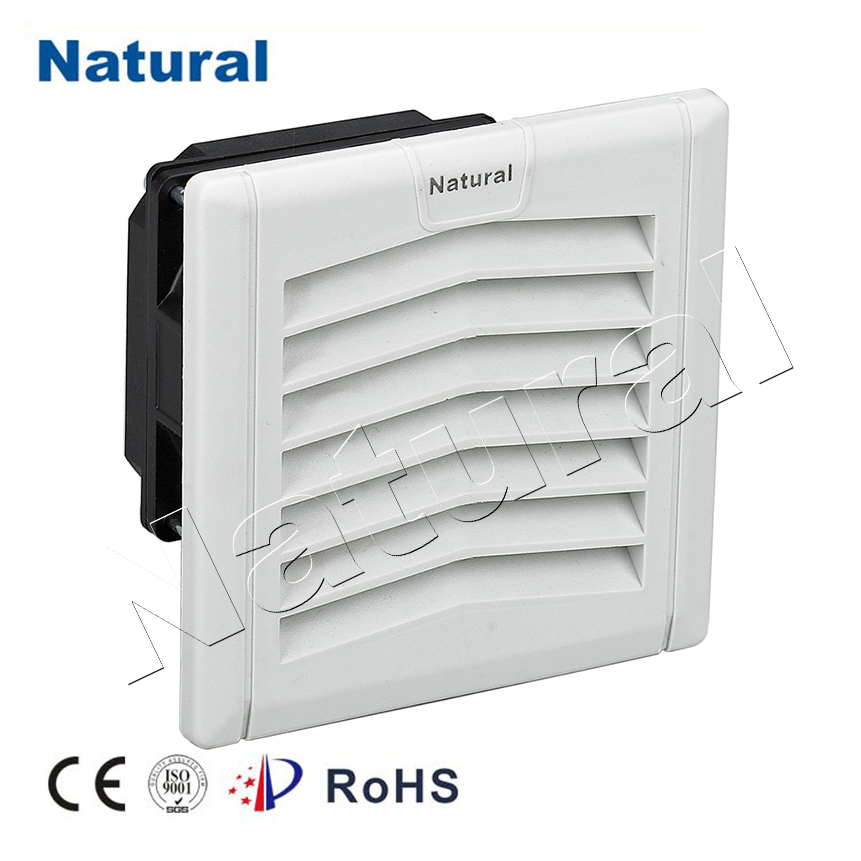
Industrial air filters are advanced filtration systems designed to remove a wide range of particulate matter and harmful gases from the air. They find extensive use in various industries, including manufacturing, healthcare, commercial spaces, and more. These filters are not only essential for protecting the health of individuals but also for maintaining the efficiency of machinery and equipment. One of the primary advantages of industrial air filters is their ability to capture airborne particles that can have adverse effects on human health. Particulate matter, such as dust, pollen, mold spores, and even microorganisms, can lead to respiratory issues and allergies when inhaled. Industrial air filters employ advanced filtration technologies to trap these particles, preventing them from circulating in the air and safeguarding the well-being of occupants. In industrial settings, air quality is crucial for the proper functioning of machinery and equipment. Airborne contaminants can clog sensitive components, hinder production processes, and result in costly downtime. Industrial air filters help mitigate these issues by maintaining a clean and contaminant-free environment. By preventing particulate matter from settling on machinery surfaces, filters contribute to the longevity and efficient operation of equipment, ultimately reducing maintenance costs and improving productivity. Different industrial environments require specific types of air filters tailored to their unique needs. High-efficiency particulate air (HEPA) filters, for instance, are renowned for their exceptional ability to capture particles as small as 0.3 microns with an efficiency of 99.97%. These filters are extensively used in industries such as pharmaceuticals, electronics manufacturing, and healthcare, where maintaining a sterile environment is paramount. Activated carbon filters are another significant innovation in the realm of industrial air filtration. These filters are particularly effective at adsorbing various gases and volatile organic compounds (VOCs) that might be present in indoor air. Industries such as printing, painting, and chemical manufacturing benefit greatly from the inclusion of activated carbon filters in their ventilation systems. In recent years, with the growing awareness of environmental sustainability, many industrial air filter manufacturers are focusing on developing eco-friendly and energy-efficient filter solutions. These initiatives aim to reduce the carbon footprint of industries while maintaining high standards of air quality. Advances in filter design and materials have resulted in filters that offer both superior performance and reduced energy consumption. In conclusion, industrial air filters are indispensable components for maintaining clean and healthy indoor air in various industrial settings. By efficiently capturing airborne particles and gases, these filters contribute to the well-being of occupants and the optimal performance of equipment. The continuous development of advanced filtration technologies ensures that industries can adapt filters to their specific requirements, resulting in improved air quality, enhanced productivity, and reduced environmental impact. As the world continues to prioritize indoor air quality, the role of industrial air filters remains pivotal in creating a safer and more sustainable future.