Introduction
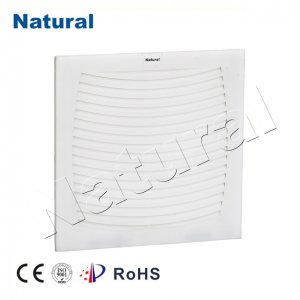
In today’s rapidly evolving world, where concerns about air pollution and its adverse effects on health are becoming more prevalent, the importance of maintaining high indoor air quality cannot be overstated. One crucial element in achieving this is the utilization of fan air ventilation systems equipped with HEPA filters. In this article, we will delve into the significance of such systems and explore how they contribute to creating healthier and safer indoor environments. The Role of Fan Air Ventilation Systems Fan air ventilation systems play a pivotal role in ensuring proper air circulation within enclosed spaces, such as homes, offices, and commercial buildings. They help expel stagnant and potentially contaminated air while introducing fresh outdoor air. This process is essential for preventing the buildup of pollutants, allergens, and other harmful particles that can compromise indoor air quality. Understanding HEPA Filters HEPA, which stands for High Efficiency Particulate Air, filters are renowned for their exceptional capability to capture even the tiniest airborne particles. These filters are designed to trap particles as small as 0.3 microns in size, which includes dust, pollen, pet dander, mold spores, and various pollutants. HEPA filters are constructed with densely packed layers of fibers that create a maze-like structure, effectively entrapping particles as air passes through. Advantages of HEPA Filter Fan Air Ventilation Systems Particle Removal:The primary advantage of integrating HEPA filters into fan air ventilation systems is the efficient removal of particles that can exacerbate respiratory issues and allergies. By capturing airborne pollutants, HEPA filters enhance indoor air quality and create a healthier living environment. Allergen Mitigation:HEPA filters are particularly beneficial for individuals who suffer from allergies or asthma. By reducing the presence of allergens in the air, these filters can alleviate symptoms and contribute to better respiratory health. Mold Prevention:Mold spores are a common indoor air pollutant that can lead to various health problems. HEPA filters help prevent the spread of mold spores, thereby reducing the risk of respiratory illnesses. Smoke and Odor Reduction:HEPA filters are effective in capturing smoke particles and odorous molecules, making them invaluable in homes with smokers or in areas prone to unpleasant smells. Virus and Bacteria Removal:While not all viruses and bacteria are captured by HEPA filters, they can still help reduce the overall particle load in the air, potentially minimizing the risk of airborne transmission of certain illnesses. Implementation and Maintenance To fully benefit from a fan air ventilation system with HEPA filters, proper implementation and maintenance are crucial. Regular filter replacement is essential to ensure optimal filtration efficiency. Depending on the system’s usage and the level of pollutants present, filters may need replacement every six months to two years. Conclusion In an age where health and well-being are paramount, fan air ventilation systems equipped with HEPA filters stand as a formidable defense against indoor air pollution. These systems provide an effective means of improving indoor air quality, reducing the risk of respiratory ailments, and creating a more comfortable living and working environment. By investing in such technology and staying vigilant in filter maintenance, individuals can take significant strides toward enjoying cleaner, purer air indoors, promoting a healthier and happier lifestyle.