Introduction
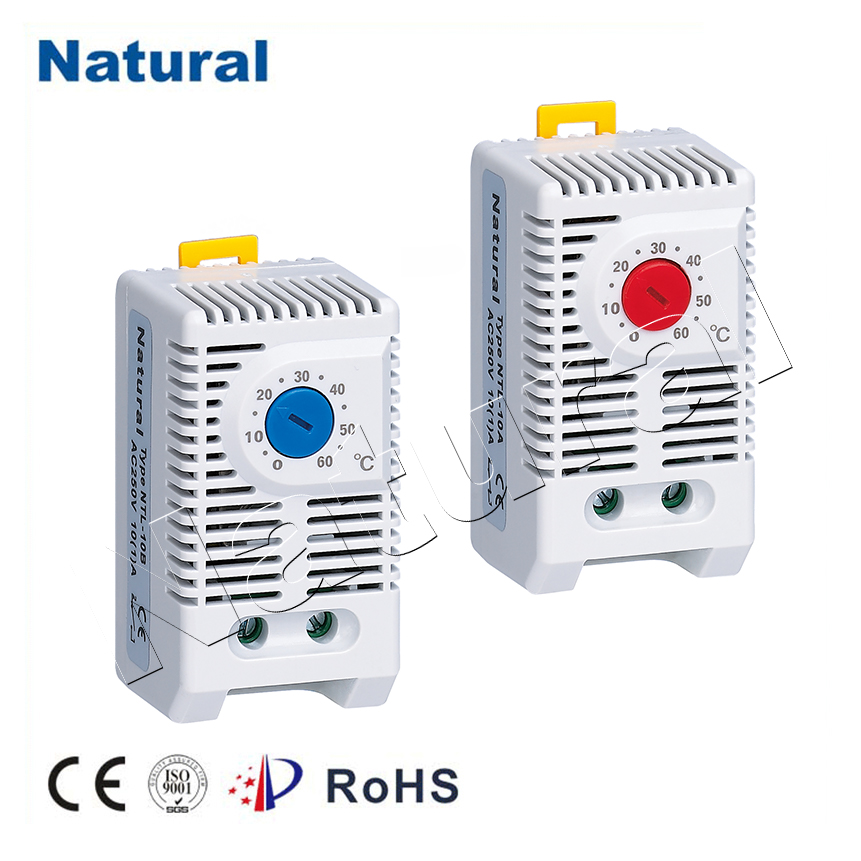
In today’s rapidly evolving industrial landscape, energy efficiency has become a paramount concern. The efficient management of resources not only benefits a company’s bottom line but also contributes to a more sustainable and environmentally conscious operation. One area where significant strides have been made in recent years is industrial cooling, aided by the integration of advanced thermostat technology. This article explores the role of thermostat-controlled industrial cooling systems in enhancing energy efficiency and optimizing operations. The Evolution of Industrial Cooling Industrial cooling has historically been a resource-intensive process, demanding substantial amounts of energy to maintain optimal temperatures in various manufacturing processes. Traditional cooling methods often lack precision and adaptability, leading to wasteful energy consumption and increased operating costs. However, the advent of thermostat-controlled industrial cooling has revolutionized this landscape by introducing intelligent and dynamic temperature regulation. The Thermostat Advantage Thermostat-controlled industrial cooling systems offer several distinct advantages that contribute to improved energy efficiency and overall operational optimization: Precise Temperature Regulation:Thermostats equipped with advanced sensors can accurately monitor and adjust temperature levels in real-time. This precision ensures that cooling systems only operate when necessary, reducing unnecessary energy consumption. Adaptive Cooling:Modern thermostats utilize sophisticated algorithms that can learn from historical data and adapt to changing conditions. This adaptability ensures that cooling systems respond appropriately to fluctuations in heat load, resulting in efficient energy usage. Remote Monitoring and Control:Thermostat-controlled cooling systems can be monitored and adjusted remotely, allowing facility managers to make real-time changes based on demand or unexpected variations. This remote accessibility minimizes wastage and ensures optimal performance. Energy Consumption Analytics:Many thermostat systems offer data analytics capabilities, providing insights into energy consumption patterns and opportunities for further optimization. These insights empower businesses to make informed decisions to reduce energy usage and associated costs. Reduced Equipment Wear:By preventing temperature fluctuations and ensuring consistent cooling, thermostat-controlled systems contribute to extending the lifespan of cooling equipment. This reduction in wear and tear translates to cost savings through decreased maintenance and replacement expenses. Case Studies in Efficiency Several real-world examples highlight the transformative impact of thermostat-controlled industrial cooling: Automotive Manufacturing:In the automotive industry, precise temperature control is critical for processes such as welding and painting. Thermostat-controlled cooling has enabled manufacturers to achieve optimal conditions, resulting in improved product quality and reduced energy consumption. Food Processing:Food processing facilities require strict temperature control to maintain product freshness and safety. Thermostat-regulated cooling ensures that energy is used only when necessary, preserving both product quality and reducing operational costs. Data Centers:Data centers generate significant heat due to the operation of servers. Thermostat-controlled cooling systems in data centers can efficiently manage temperature fluctuations, leading to reduced energy consumption and enhanced equipment performance. Textile Production:Textile manufacturing involves various heat-intensive processes. By utilizing thermostats to control cooling, textile manufacturers can achieve energy savings while maintaining consistent product quality. Conclusion In an era of heightened environmental awareness and resource optimization, thermostat-controlled industrial cooling systems have emerged as a vital tool for enhancing energy efficiency and operational excellence. By offering precise temperature regulation, adaptive cooling strategies, remote monitoring, and energy consumption analytics, these systems enable businesses to minimize wastage, reduce costs, and contribute to a more sustainable industrial future. As technology continues to evolve, the integration of advanced thermostat technology promises even greater strides in energy efficiency across various industrial sectors.