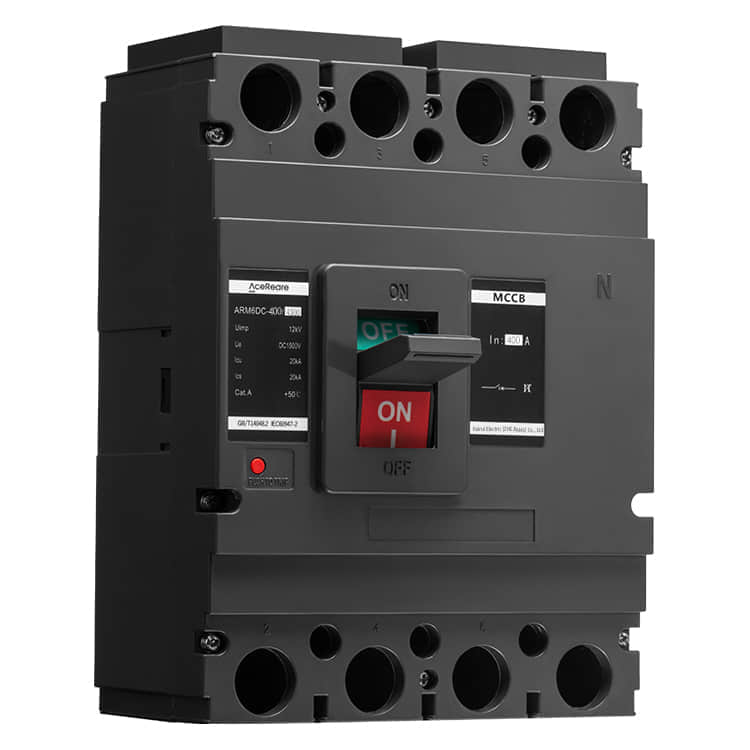
In modern society, where electricity powers a multitude of essential devices and systems, ensuring electrical safety is paramount. One crucial component that plays a pivotal role in this safety aspect is the DC molded case circuit breaker. This innovative device offers protection, control, and reliability in direct current (DC) electrical systems, making it an indispensable tool across various industries and applications.
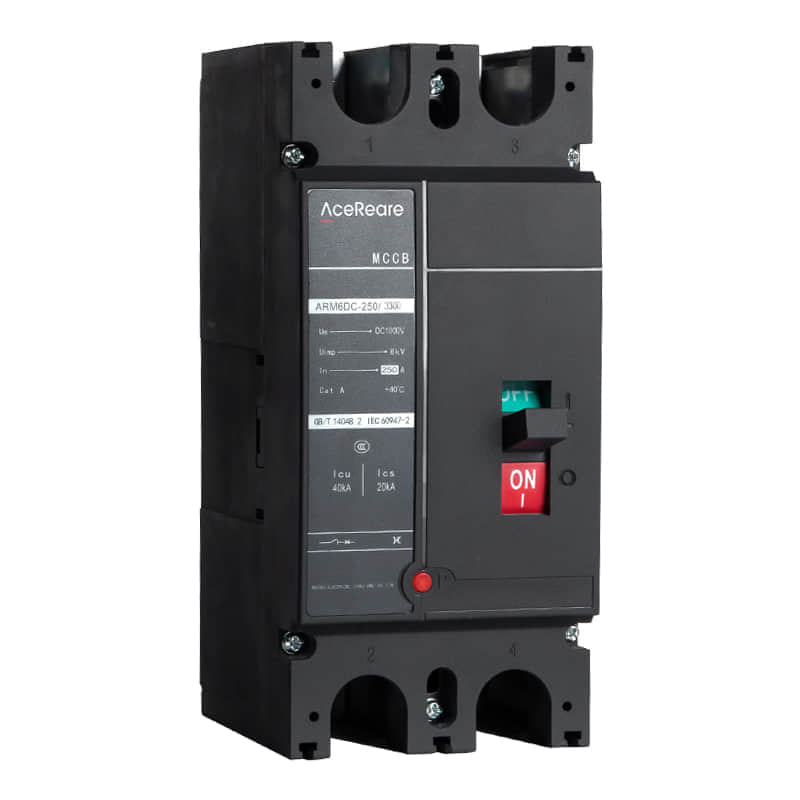
Understanding the DC Molded Case Circuit Breaker
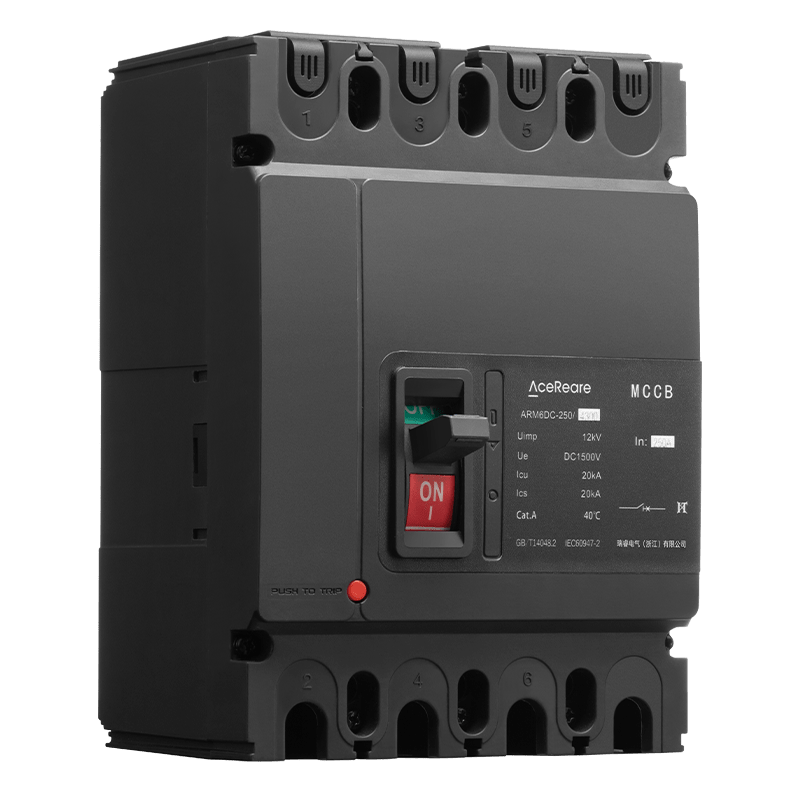
A DC molded case circuit breaker is an advanced electrical device designed to protect DC circuits from overcurrents and short circuits. Similar to its AC counterpart, it functions as an automatic switch that interrupts the circuit when an abnormal condition is detected, preventing damage to equipment and hazards such as fires. The term “molded case” refers to the breaker’s insulated housing, which houses the internal components and provides an extra layer of safety. Advantages of DC Molded Case Circuit Breakers Precision Protection:DC systems are common in applications such as renewable energy systems, telecommunications, and transportation. Unlike AC systems, DC circuits can sustain arcs for longer periods, making fault clearing more challenging. DC molded case circuit breakers are designed with this in mind, providing precise and reliable protection against overloads and short circuits in DC systems. Thermal and Magnetic Protection:These circuit breakers employ both thermal and magnetic trip mechanisms to detect different types of faults. The thermal mechanism responds to continuous overloads, while the magnetic mechanism responds to short-duration overcurrents. This dual protection ensures that various fault conditions are addressed effectively. Remote Monitoring and Control:Many modern DC molded case circuit breakers are equipped with advanced features like remote monitoring and control capabilities. This allows engineers and operators to monitor the breaker’s status, receive notifications about faults, and even remotely trip the breaker if necessary. Such features enhance operational efficiency and reduce downtime. Compact Design:DC molded case circuit breakers are designed to be compact, making them suitable for installations with limited space. Their small footprint doesn’t compromise their performance, as they can still provide high breaking capacities and accurate protection. Applications of DC Molded Case Circuit Breakers Renewable Energy Systems:DC circuit breakers are essential in solar power systems, wind farms, and energy storage systems, where DC voltages are commonly used. They protect valuable equipment from potential faults, ensuring the reliability of these systems. Telecommunications:Telecommunication networks rely on DC power for backup systems and remote sites. Molded case circuit breakers help maintain the integrity of these networks by preventing disruptions caused by electrical faults. Electric Vehicles:As the electric vehicle industry grows, so does the need for efficient DC charging stations. Molded case circuit breakers ensure safe and reliable charging by protecting the charging infrastructure and the vehicles themselves. Industrial Applications:DC molded case circuit breakers find use in various industrial applications, from manufacturing plants to data centers. They safeguard critical equipment and processes, reducing the risk of costly downtime. Conclusion In the realm of electrical safety, DC molded case circuit breakers stand as indispensable guardians of modern technology and infrastructure. Their ability to provide precise protection, remote control, and compact design has made them a staple in industries ranging from renewable energy to telecommunications. As technology continues to advance, these circuit breakers will undoubtedly evolve to meet new challenges, ensuring the safe and reliable operation of the increasingly electrified world we live in.