Introduction
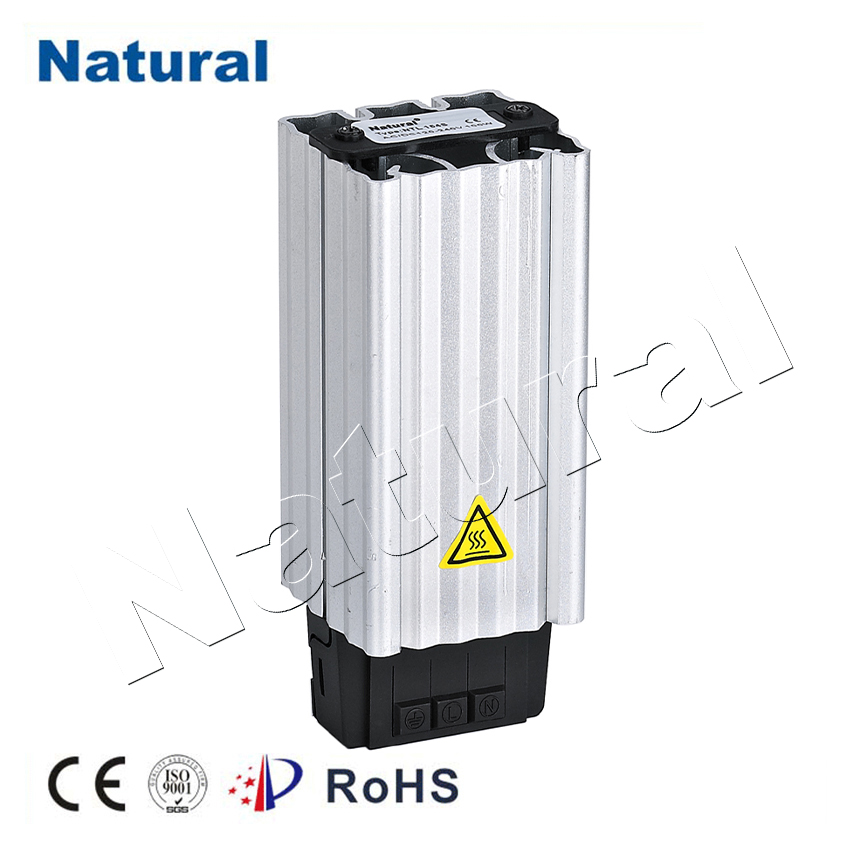
In the fast-paced world of modern industry, optimizing efficiency and minimizing energy consumption have become crucial priorities. Among the various technologies that play a role in achieving these goals, factory heaters stand out as essential components for maintaining optimal working conditions and productivity. These heaters not only provide a comfortable environment for workers but also contribute significantly to the overall efficiency and sustainability of manufacturing processes. Heating Solutions for Factories Factory heaters come in various forms, each tailored to the unique needs of different industries. From radiant heaters suspended from ceilings to forced-air systems that distribute warmth evenly, these solutions are designed to ensure that workers can operate in a comfortable environment regardless of external weather conditions. A well-regulated temperature not only improves employee morale but also plays a vital role in preserving the quality of products and materials. Enhancing Efficiency One of the primary advantages of utilizing advanced factory heaters is their ability to enhance operational efficiency. Cold environments can negatively impact machinery performance, leading to increased wear and tear and potential breakdowns. Factory heaters counteract this by maintaining a stable temperature, reducing the risk of equipment failure and minimizing downtime. This, in turn, leads to increased productivity and cost savings for businesses. Energy Efficiency and Sustainability The modern industrial landscape places a strong emphasis on sustainability and reducing the carbon footprint. Factory heaters have responded to this call by integrating energy-efficient technologies. Smart thermostats, zoned heating systems, and improved insulation all contribute to more precise temperature control, minimizing energy wastage. Additionally, the integration of renewable energy sources such as solar panels or geothermal systems can further reduce reliance on non-renewable resources. Improved Air Quality Factory heaters not only regulate temperature but also play a role in maintaining indoor air quality. Proper ventilation combined with efficient heating systems ensures that air pollutants and contaminants are filtered out, creating a healthier and safer environment for employees. This has the added benefit of reducing employee sick days and enhancing overall workforce productivity. Challenges and Solutions Implementing effective factory heating systems isn’t without its challenges. Balancing the initial investment costs with long-term energy savings can be a concern for some businesses. However, the increasing availability of government incentives and a growing market for energy-efficient solutions are helping to alleviate this issue. Moreover, advancements in heater technology are continually driving down costs while improving performance. Conclusion Factory heaters are essential components in the modern manufacturing landscape, providing more than just warmth to workers. They contribute to improved efficiency, energy conservation, and sustainability efforts, aligning with the global push for environmentally friendly industrial practices. As technology continues to evolve, factory heating systems will likely become even more efficient and cost-effective, offering businesses the dual benefits of increased productivity and reduced environmental impact.