In the realm of electrical engineering, precision, reliability, and efficiency are paramount. One often-overlooked component that plays a vital role in achieving these objectives is the electrical cabinet filter. While its significance might not be immediately apparent, the presence of a well-designed filter within an electrical cabinet can substantially impact the performance and longevity of sensitive electronic equipment.
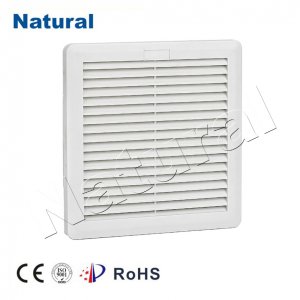
Introduction Electrical cabinets serve as the guardians of intricate electronic systems, safeguarding them against external factors that could compromise their functionality. These cabinets house an array of components such as controllers, power supplies, and communication devices. In an environment filled with dust, debris, and potential contaminants, the importance of maintaining optimal conditions within these cabinets cannot be overstated. This is where electrical cabinet filters step in, acting as the first line of defense. The Function of Electrical Cabinet Filters Electrical cabinet filters serve a dual purpose: air quality control and heat management. Airborne particles like dust and dirt, if allowed to accumulate within the cabinet, can lead to overheating and short circuits, potentially causing severe damage. Filters prevent these particles from entering the cabinet, maintaining a clean and controlled environment for sensitive electronics. Furthermore, by facilitating proper airflow, filters aid in dissipating the heat generated by components, preventing overheating and ensuring stable operation. Types of Electrical Cabinet Filters Several types of filters are available, each tailored to specific requirements. Standard air filters, often made from materials like polyester or foam, efficiently trap larger particles. For environments with higher contamination levels, HEPA (High-Efficiency Particulate Air) filters are employed. These filters can capture particles as small as 0.3 microns, ensuring an exceptionally clean atmosphere. Additionally, there are active filters equipped with fans that actively draw air through the cabinet, enhancing ventilation. Benefits of Effective Filtration Equipment Longevity: With effective filtration in place, the accumulation of dust and dirt on sensitive electronic components is minimized. This extends the lifespan of equipment, reducing the frequency of maintenance and replacement. Reliability: Clean air within the electrical cabinet reduces the risk of short circuits and malfunctions caused by particle interference. This translates to increased system reliability and reduced downtime. Thermal Management: Proper airflow, facilitated by filters, aids in maintaining optimal operating temperatures. This prevents overheating and its associated negative effects on electronic components. Safety: By preventing the buildup of dust and contaminants, the likelihood of fires caused by electrical arcing or overheating is significantly reduced, enhancing overall safety. Efficiency: Unrestricted airflow, thanks to efficient filtration, ensures that cooling systems within the cabinet, such as fans or air conditioners, can operate optimally, consuming less energy. Maintenance and Replacement To ensure continued effectiveness, regular maintenance of electrical cabinet filters is essential. Depending on the environment, filters might need replacement every few months or annually. Maintenance involves cleaning or replacing the filter media, as clogged filters can hinder airflow and negate their benefits. Conclusion Electrical cabinet filters may be unassuming components, but their impact on the performance, reliability, and longevity of electronic systems is undeniable. By safeguarding sensitive equipment from airborne contaminants and contributing to efficient thermal management, these filters play a crucial role in maintaining optimal working conditions. Engineers and technicians would be wise to recognize the importance of these unobtrusive devices and incorporate them into their designs to ensure the utmost efficiency and dependability of electronic systems.