Introduction
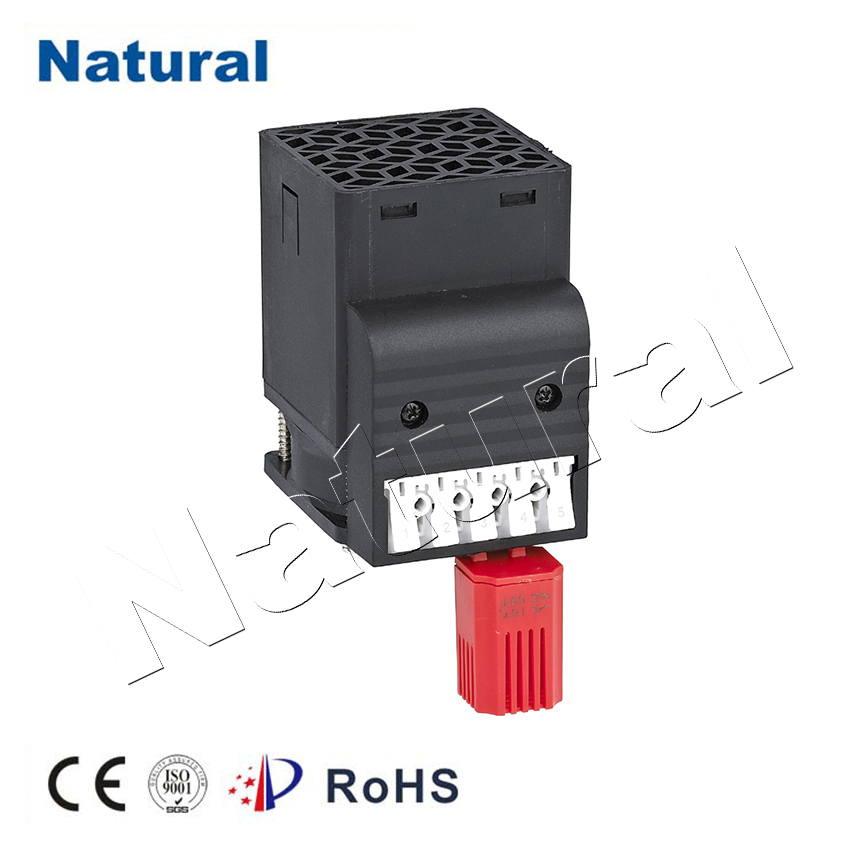
In the ever-evolving realm of home automation, heating thermostats have emerged as an indispensable tool for enhancing both comfort and energy efficiency. These smart devices have revolutionized the way we regulate indoor temperatures, enabling us to create personalized heating schedules, reduce energy consumption, and ultimately lead more environmentally-conscious lives. In this article, we will delve into the functionalities and benefits of heating thermostats, highlighting their role in optimizing our living spaces. Smart Temperature Control Gone are the days of manually adjusting thermostats multiple times a day. Heating thermostats have transformed this mundane task into a seamless and intuitive process. Equipped with sensors, these devices detect changes in temperature and adjust settings accordingly to maintain the desired comfort level. What sets smart thermostats apart is their ability to learn from our habits, adapting to our routines and preferences over time. This ensures that our living spaces are always at the perfect temperature, while minimizing unnecessary energy consumption. Energy Efficiency One of the most significant advantages of heating thermostats is their contribution to energy efficiency. Traditional thermostats often result in wasted energy as they maintain a constant temperature, even when no one is home. Heating thermostats, however, can be programmed to lower the temperature during hours when the house is unoccupied, and then raise it before residents return. This feature alone can lead to substantial energy savings, reducing utility bills and lessening our environmental footprint. Remote Accessibility Modern heating thermostats are designed to connect seamlessly with our smartphones and other devices. This remote accessibility enables users to control the temperature of their homes from virtually anywhere. Imagine being able to turn up the heat before you arrive home on a cold winter’s day or adjusting settings while on vacation to prevent pipes from freezing. This level of control not only enhances convenience but also bolsters energy efficiency by allowing us to make real-time adjustments based on changing circumstances. Learning Capabilities Heating thermostats aren’t just programmable devices; they’re intelligent ones. Their learning capabilities allow them to analyze patterns in temperature preferences, occupancy, and outdoor climate conditions. As a result, these thermostats can create optimized heating schedules without requiring constant manual input. Over time, the thermostat becomes attuned to your routine and can even make automatic adjustments based on your past behavior, ensuring that you never have to come home to an uncomfortable environment. Integration with Smart Homes The beauty of the modern era lies in the interconnectedness of devices within our living spaces. Heating thermostats seamlessly integrate into the broader ecosystem of smart home technology. They can communicate with other smart devices, such as smart lighting and voice assistants, to create a comprehensive and streamlined living experience. For instance, you can program your thermostat to lower the temperature when you turn off the lights and lock the door before bedtime, enhancing both comfort and energy savings. Environmental Impact By using heating thermostats to optimize our energy consumption, we can significantly reduce our carbon footprint. The energy saved through efficient temperature regulation translates into decreased demand for fossil fuels and a subsequent reduction in greenhouse gas emissions. In a world increasingly concerned about climate change, adopting heating thermostats is a tangible way to contribute to a more sustainable future. Conclusion Heating thermostats have evolved from mere temperature regulators to intelligent companions in our homes. With their ability to learn, adapt, and communicate with other smart devices, they bring a new level of comfort and efficiency to our lives. By harnessing the power of heating thermostats, we have the opportunity to enhance our daily living experience while making a positive impact on the environment. As technology continues to advance, these devices will undoubtedly play a pivotal role in creating a more sustainable and connected world.