In today’s rapidly evolving world, indoor air quality has become a paramount concern for homeowners and businesses alike. With increasing urbanization and the prevalence of pollutants, ensuring a healthy indoor environment has never been more crucial. This is where ventilation fan filters come into play, acting as silent guardians that work diligently to improve the air we breathe.
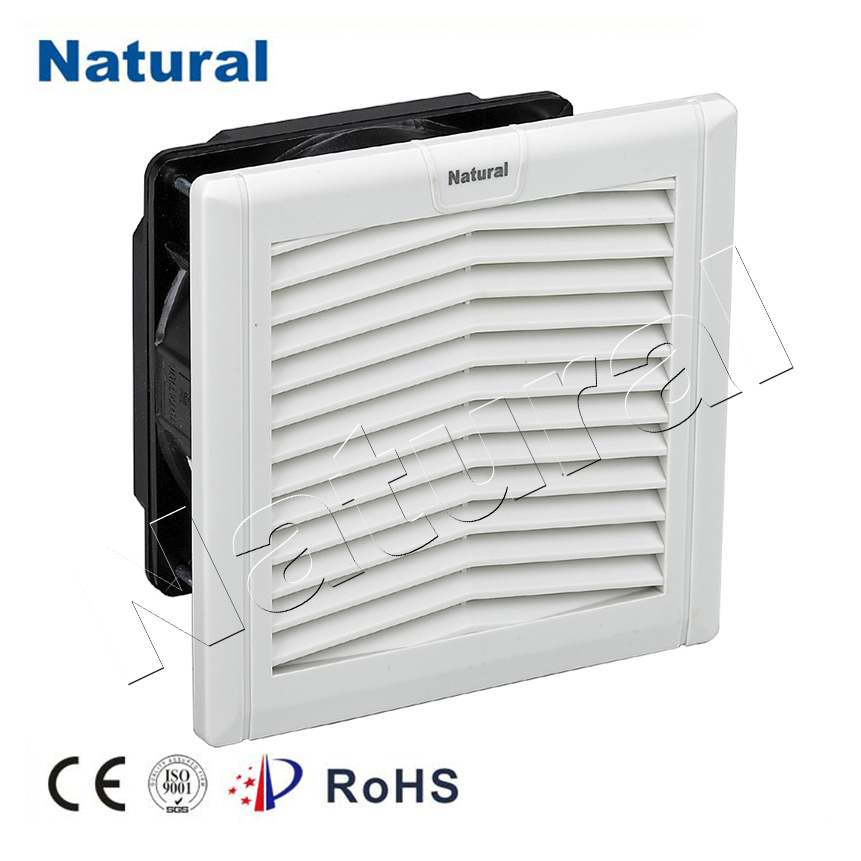
The Need for Improved Indoor Air Quality The importance of clean indoor air cannot be overstated. Poor air quality can lead to a range of health issues, including allergies, respiratory problems, and even chronic diseases. As we spend a significant portion of our lives indoors, be it at home, work, or other indoor spaces, the quality of the air we breathe directly impacts our well-being. Introducing Ventilation Fan Filters Ventilation fan filters offer an effective solution to combat indoor air pollutants. These filters are specially designed to be installed within ventilation systems, working hand in hand with exhaust fans to ensure that the air circulating through indoor spaces is purified and free from contaminants. How Ventilation Fan Filters Work Ventilation fan filters operate on a simple yet ingenious principle. As air is drawn through the ventilation system, the filter captures and traps particles such as dust, pollen, pet dander, and even microscopic pollutants like bacteria and viruses. This process prevents these potentially harmful particles from recirculating into the indoor environment. Benefits of Using Ventilation Fan Filters Improved Air Quality:The primary benefit of using ventilation fan filters is the significant improvement in indoor air quality. By removing allergens and pollutants, these filters help create a healthier living and working environment. Health Benefits:Cleaner air translates to better health. Individuals with allergies or respiratory conditions often find relief from symptoms when indoor air is properly filtered. Moreover, reducing exposure to airborne pathogens can help prevent the spread of illnesses. Energy Efficiency:Ventilation fan filters can contribute to energy efficiency. When air is purified before being recirculated, heating and cooling systems can operate more efficiently, potentially reducing energy consumption and utility bills. Prolonged System Lifespan:The use of ventilation fan filters can also extend the lifespan of the entire ventilation system. By preventing dust and debris from accumulating within the system, filters help maintain optimal performance over time. Choosing the Right Ventilation Fan Filter Selecting the appropriate ventilation fan filter is essential to ensure optimal results. Factors to consider include the type of pollutants prevalent in the indoor environment, the size of the space, and the specific requirements of the ventilation system. Filters vary in terms of their filtration efficiency, with High Efficiency Particulate Air (HEPA) filters being a popular choice due to their ability to capture particles as small as 0.3 microns in size. Maintenance and Replacement To maintain the effectiveness of ventilation fan filters, regular maintenance and timely replacement are crucial. Over time, filters become saturated with trapped particles, reducing their efficiency. Following manufacturer guidelines for maintenance and replacement will ensure that the filtration system continues to deliver clean, fresh air. In Conclusion In the quest for a healthier indoor environment, ventilation fan filters stand as a stalwart defense against indoor air pollutants. Their ability to improve air quality, provide health benefits, enhance energy efficiency, and prolong system lifespan make them an invaluable addition to any ventilation system. By investing in ventilation fan filters, individuals and businesses alike can create spaces where well-being and comfort flourish. After all, clean air isn’t just a luxury; it’s a necessity that fosters a better quality of life for everyone.