Introduction
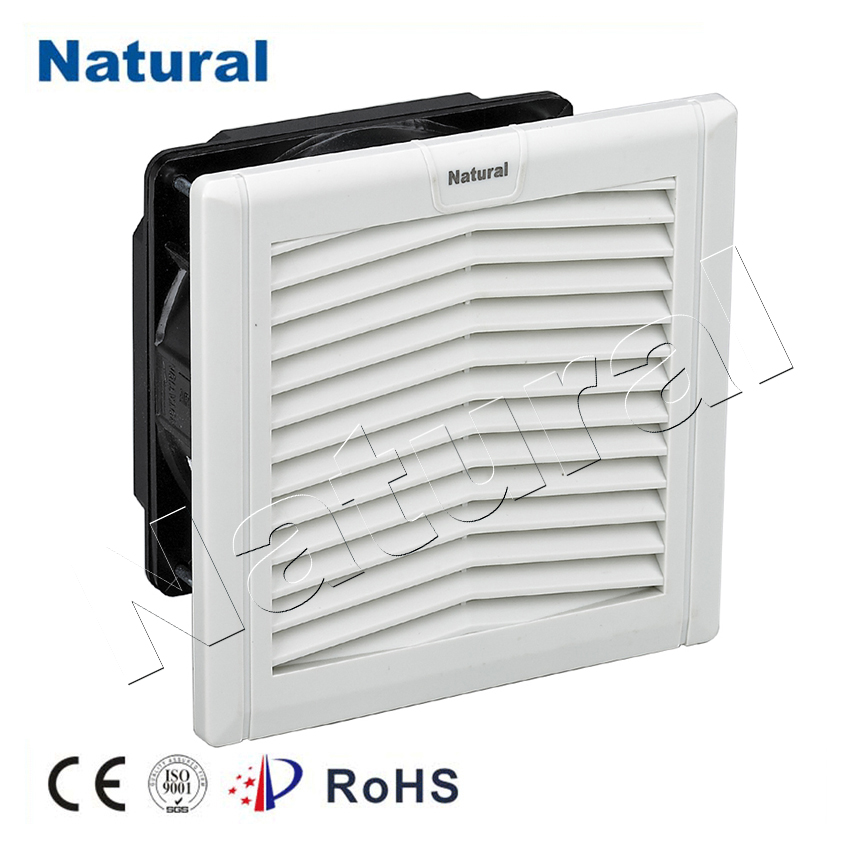
Indoor air quality plays a vital role in our overall well-being, especially in spaces where we spend a significant amount of time. Fan ventilation filters, a simple yet effective solution, have emerged as a cornerstone in ensuring clean and healthy indoor air. In this article, we will explore the importance of fan ventilation filters, their benefits, and how they contribute to creating a more comfortable living and working environment. The Role of Fan Ventilation Filters Fan ventilation filters are designed to remove impurities, allergens, and contaminants from the air, providing a cleaner and fresher atmosphere indoors. They are commonly installed in various settings, including residential homes, commercial buildings, and industrial facilities. These filters work by capturing particles such as dust, pollen, pet dander, and even microscopic pollutants, thereby preventing them from recirculating into the living space. Benefits of Fan Ventilation Filters Improved Air Quality: The primary benefit of fan ventilation filters is the significant improvement in indoor air quality. By removing airborne particles and pollutants, these filters help reduce the risk of respiratory issues, allergies, and other health problems. Allergen Management: Fan ventilation filters are particularly beneficial for individuals with allergies or sensitivities. They trap allergens that can trigger allergic reactions, providing relief and comfort to those who suffer from such conditions. Odor Control: In environments where odors are a concern, such as kitchens or bathrooms, fan ventilation filters help eliminate unwanted smells, ensuring a more pleasant living or working space. Energy Efficiency: Fan ventilation filters contribute to energy efficiency by helping the ventilation system operate more smoothly. Clean filters allow air to flow more easily, reducing strain on the fan and potentially lowering energy consumption. Extended HVAC System Life: Clean air is essential not only for occupants but also for the longevity of heating, ventilation, and air conditioning (HVAC) systems. Fan ventilation filters prevent dust buildup on sensitive components, potentially extending the lifespan of these systems. Installation and Maintenance Installing fan ventilation filters is a straightforward process. These filters can be integrated into existing HVAC systems or added as standalone units in specific areas. Regular maintenance is crucial to ensure optimal performance. Depending on the filter type, maintenance may involve cleaning or replacing filters according to manufacturer guidelines. Consistent upkeep helps maintain the filter’s efficiency and prolong its lifespan. Choosing the Right Fan Ventilation Filter Selecting the appropriate fan ventilation filter is essential to achieve the desired results. Several factors should be considered when making a choice: Particle Filtration Efficiency: Different filters offer varying levels of particle filtration. High-efficiency filters are more effective at capturing smaller particles but may require more frequent maintenance. Filter Type: Fan ventilation filters come in various types, including mechanical, electronic, and hybrid filters. Each type has its advantages and limitations, so it’s important to choose one that aligns with your specific needs. Room Size and Usage: The size of the space and how it is used will determine the airflow requirements and, consequently, the appropriate filter size and capacity. Conclusion Fan ventilation filters are a practical solution for maintaining clean and healthy indoor air quality. With their ability to capture particles, allergens, and pollutants, these filters contribute to a more comfortable and safe living and working environment. By understanding the benefits and factors to consider when choosing the right filter, individuals and businesses can make informed decisions to enhance their indoor air quality and overall well-being.