In modern living and work spaces, maintaining excellent indoor air quality is of paramount importance. With the increasing concerns about airborne pollutants, allergens, and contaminants, the role of effective ventilation systems cannot be understated. Fan filter exhaust systems have emerged as a key solution in ensuring healthier and more comfortable indoor environments.
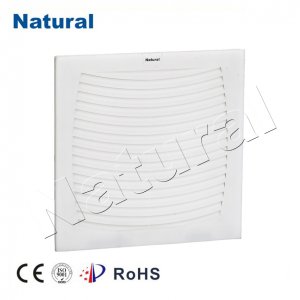
Fan filter exhaust systems, also known as FFES, are innovative mechanical setups designed to extract stale and polluted air from enclosed spaces while simultaneously introducing fresh outdoor air. This continuous air exchange not only prevents the buildup of harmful particles but also helps regulate temperature and humidity levels. In this article, we will delve into the benefits and working principles of fan filter exhaust systems. Benefits of Fan Filter Exhaust Systems: Airborne Particle Removal:The primary function of FFES is to remove particles such as dust, pollen, pet dander, and other allergens from indoor air. These systems are equipped with high-efficiency particulate air (HEPA) filters that can capture particles as small as 0.3 microns in size. This ensures that the air being circulated is significantly cleaner and healthier. Odor Elimination:FFES also excel in eliminating odors that may arise from cooking, smoking, pets, or other sources. The activated carbon filters integrated into these systems can effectively trap and neutralize various odorous compounds, leaving the air smelling fresh. Health Improvement:By reducing the presence of allergens and pollutants, FFES can contribute to improved respiratory health, particularly for individuals with allergies or asthma. Cleaner air can lead to fewer respiratory symptoms and a better quality of life. Energy Efficiency:Modern FFES are designed with energy efficiency in mind. They incorporate advanced technologies such as variable-speed fans and sensors that adjust the airflow based on the indoor air quality and occupancy levels. This optimization not only enhances performance but also conserves energy. Working Principles of Fan Filter Exhaust Systems: Fan filter exhaust systems operate through a well-defined process that involves the expulsion of stale indoor air and the introduction of fresh outdoor air. The basic components of a FFES include: Fans:Powerful fans are strategically placed to draw indoor air through the filters and expel it outside. These fans ensure a consistent and efficient airflow. Filters:FFES employ a multi-stage filtration process. The initial pre-filter captures larger particles, while the main HEPA filter targets finer particles and allergens. The activated carbon filter addresses odors and volatile organic compounds (VOCs). Dampers:Dampers control the flow of outdoor air into the indoor space. They are adjusted based on indoor air quality and desired ventilation rates. Sensors and Controls:Modern FFES incorporate sensors to monitor indoor air quality factors such as particle levels, temperature, and humidity. These sensors communicate with the controls to adjust fan speed and damper positions accordingly. In conclusion, fan filter exhaust systems have become indispensable tools in maintaining healthy and comfortable indoor environments. Their ability to remove particles, eliminate odors, improve health, and conserve energy makes them a valuable addition to residential, commercial, and industrial spaces. As concerns about indoor air quality continue to rise, investing in a high-quality FFES can lead to tangible benefits for occupants and their overall well-being.