In today’s rapidly advancing world, where technology and innovation are paramount, we often overlook the significance of the minutest components that contribute to the seamless functioning of our devices. One such unsung hero is the fan filter. While often overlooked, fan filters play a pivotal role in enhancing air quality and overall performance in various electronic systems.
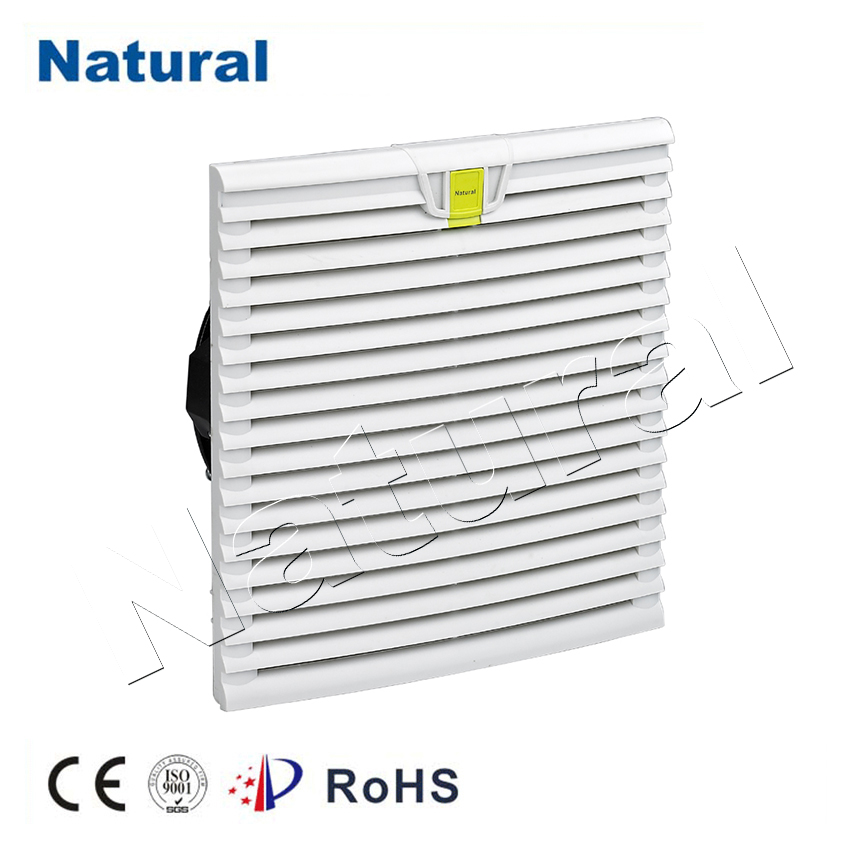
The Role of Fan Filters Fan filters are unassuming elements that serve a critical purpose. They are designed to prevent the infiltration of dust, debris, and other particulate matter into electronic devices that incorporate cooling systems, such as computers, servers, and industrial equipment. These filters act as barriers, intercepting unwanted particles that could otherwise clog or damage delicate components, impair airflow, and cause overheating. The result? Improved air quality and prolonged device lifespan. The Advantages of Effective Filtration Dust Prevention: The primary function of fan filters is to prevent dust and dirt from accumulating within the device. Accumulated dust can impede airflow, leading to inefficient cooling and potentially causing thermal issues. By effectively filtering out these particles, fan filters ensure consistent and efficient heat dissipation. Enhanced Performance: Maintaining a clean internal environment helps devices perform optimally. When components are exposed to less dust and contaminants, they are less likely to overheat, reducing the chances of performance throttling and unexpected shutdowns. Longevity: Devices equipped with fan filters tend to have a longer lifespan. Regular exposure to dust and debris can cause wear and tear on internal components, leading to premature failure. Fan filters act as a protective shield, increasing the longevity of your valuable electronics. Reduced Maintenance: Without adequate filtration, devices require more frequent cleaning and maintenance. Fan filters minimize the need for constant manual cleaning, making maintenance tasks less time-consuming and hassle-free. Types of Fan Filters Fan filters come in various types, each tailored to specific environments and needs: Mesh Filters: Mesh filters are commonly made of fine materials that trap dust and larger particles, allowing clean air to pass through. They strike a balance between efficient filtration and airflow. Foam Filters: These filters are constructed from porous foam materials that capture smaller particles effectively. They are often used in environments where finer filtration is required. Electrostatic Filters: These advanced filters utilize electrostatic charges to attract and trap particles. They are highly efficient and offer excellent filtration without significantly affecting airflow. Applications Across Industries Fan filters find applications in a diverse range of industries: Information Technology: Computers, servers, and networking equipment rely on fan filters to maintain optimal performance by preventing dust buildup that could hamper airflow and cooling. Manufacturing: Industrial equipment and machinery often have cooling systems that require protection from airborne contaminants. Fan filters ensure consistent operation in challenging environments. Healthcare: Medical equipment, particularly those used in sterile environments, benefit from fan filters that prevent the introduction of particles that could compromise patient safety. Automotive: In-car infotainment systems and navigation units utilize fan filters to maintain functionality and longevity, even in dusty or rugged driving conditions. Conclusion While often overshadowed by more conspicuous components, fan filters play an essential role in maintaining the health and efficiency of various electronic systems. They contribute to enhanced air quality, reduced maintenance, prolonged device lifespan, and improved overall performance. So, the next time you power up your computer, server, or any other electronic device, take a moment to appreciate the unsung hero quietly at work – the fan filter.