In modern industrial settings, maintaining optimal air quality is a crucial aspect that directly impacts both the health of workers and the efficiency of machinery. One integral component that plays a significant role in achieving these goals is the industrial fan filter. These unassuming devices not only ensure a cleaner and healthier working environment but also contribute to the longevity and performance of critical equipment.
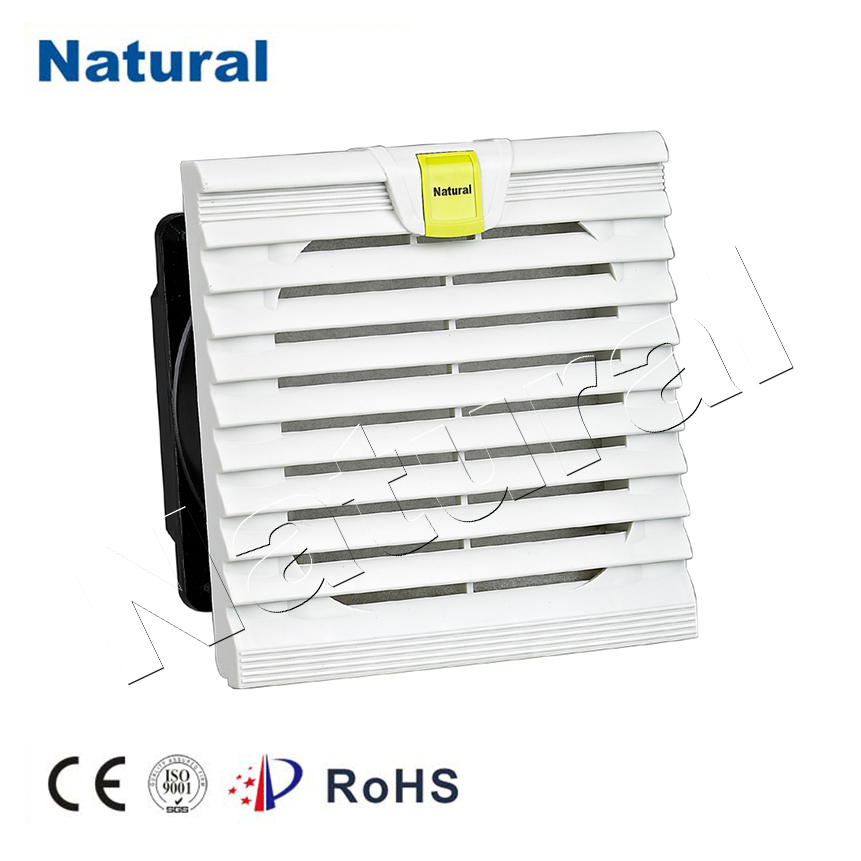
The Importance of Air Quality: Clean air in industrial environments is paramount for various reasons. First and foremost, the health and well-being of employees are at stake. Poor air quality can lead to respiratory issues, allergies, and other health complications, resulting in decreased productivity and increased sick leaves. Moreover, dust and airborne particles can adversely affect sensitive equipment, leading to breakdowns, increased maintenance costs, and production delays. The Role of Industrial Fan Filters: Industrial fan filters, also known as ventilation filters or air intake filters, are designed to remove contaminants from the air before it enters industrial facilities. These filters are strategically placed at the inlet of ventilation systems and fans, preventing the ingress of dust, dirt, pollen, and other particles. By doing so, they contribute to maintaining a clean and healthy work environment. Benefits of Using Industrial Fan Filters: Improved Air Quality:Industrial fan filters effectively capture a wide range of particles, from large debris to microscopic pollutants. This filtration process leads to cleaner air, reducing the risk of respiratory issues among employees and providing a healthier overall workplace. Equipment Longevity:Airborne contaminants can wreak havoc on sensitive machinery. Industrial fan filters prevent the accumulation of dust and particles on equipment components, ensuring smoother operation and extending the lifespan of the machinery. This translates to reduced maintenance costs and minimized downtime. Enhanced Efficiency:Unobstructed airflow is essential for optimal equipment performance. Clean air intake, facilitated by fan filters, allows machines to operate at their designed efficiency levels. This results in consistent output quality and energy savings. Regulatory Compliance:Many industries are subject to strict air quality regulations. The use of industrial fan filters aids companies in adhering to these regulations, avoiding potential fines and legal issues. Reduced Cleaning Frequency:Without proper filtration, dust and particles accumulate quickly on surfaces, necessitating frequent cleaning. Industrial fan filters reduce the need for extensive and time-consuming cleaning routines. Choosing the Right Filter: Selecting the appropriate industrial fan filter is essential to achieve the desired results. Factors to consider include the type of contaminants present, the size of particles that need to be filtered, the required airflow rate, and the specific industry standards. Maintenance and Replacement: To ensure the ongoing effectiveness of industrial fan filters, regular maintenance and replacement are necessary. Over time, filters become clogged with captured particles, obstructing airflow and diminishing their filtering capabilities. A well-defined maintenance schedule, including cleaning and replacing filters as needed, is crucial. In Conclusion: Industrial fan filters are inconspicuous yet indispensable components that significantly impact both air quality and equipment performance in industrial environments. Their role in providing cleaner air, extending machinery lifespan, improving efficiency, and complying with regulations cannot be overstated. By investing in quality fan filters and implementing a robust maintenance regimen, industries can create healthier workplaces and maintain the operational integrity of their equipment.