In today’s rapidly evolving technological landscape, electronic devices and equipment have become an integral part of our daily lives. From computers to HVAC systems, the efficient operation of these devices relies heavily on proper ventilation and cooling mechanisms. One essential component that often goes unnoticed but plays a crucial role in maintaining optimal performance is the fan filter.
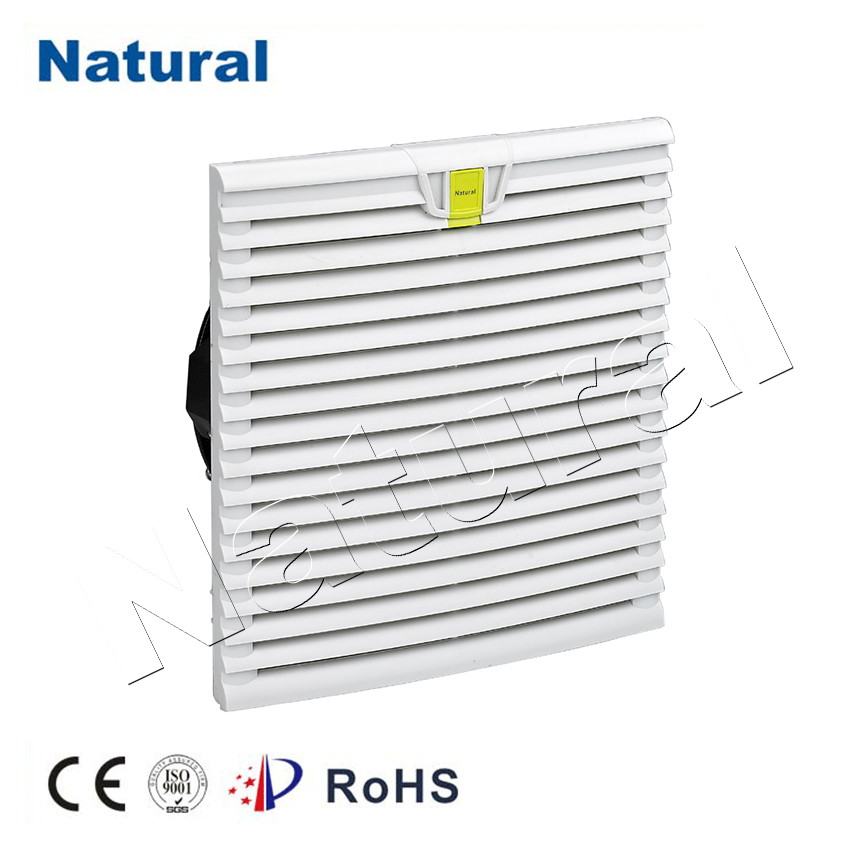
Fan Filters: Unseen Guardians of Air Quality Fan filters, though inconspicuous, are essential for maintaining the overall health of electronic equipment and the environments in which they operate. Their primary purpose is to ensure that the air drawn into the device is clean and free from dust, dirt, and other particulate matter. These contaminants, if allowed to accumulate, can impede the proper functioning of the equipment and even lead to catastrophic failures. Beyond the immediate impact on the device itself, fan filters also have a significant effect on indoor air quality. In settings like data centers, industrial facilities, and residential spaces, the circulation of dust and allergens through unfiltered fans can lead to respiratory issues and decreased overall air quality. By capturing these particles at the source, fan filters contribute to a healthier indoor environment. Benefits of Fan Filters Extended Equipment Lifespan:Dust and debris accumulation can clog delicate components, causing overheating and eventual breakdown of electronic devices. Fan filters act as a first line of defense, preventing these contaminants from entering and causing damage. This leads to longer equipment lifespans and reduced maintenance costs. Improved Performance:Unobstructed airflow is crucial for efficient cooling. Fan filters ensure that cooling mechanisms, such as heat sinks and heat pipes, can function optimally by preventing them from becoming coated in dust. This, in turn, enhances the overall performance of the device. Energy Efficiency:When cooling mechanisms are obstructed, devices often need to work harder to maintain their operating temperatures. This increased workload can lead to higher energy consumption. By keeping cooling paths clear, fan filters contribute to energy efficiency and cost savings. Environmental Benefits:Devices that operate efficiently and have extended lifespans contribute to reduced electronic waste. Fan filters play a role in promoting sustainable practices by helping to maintain the functionality of equipment over a longer period. Healthier Indoor Environments:In settings where air quality matters, such as clean rooms, laboratories, and residential spaces, fan filters contribute to better air quality by capturing allergens and pollutants. This is particularly important for sensitive environments like healthcare facilities, where airborne contaminants could pose significant risks. Choosing the Right Fan Filter Selecting the appropriate fan filter for a specific application is essential to ensure optimal performance. Factors to consider include the type of equipment, the environment in which it operates, the size of contaminants that need to be filtered, and the required airflow capacity. Additionally, the maintenance requirements of the chosen filter should be evaluated to ensure that it can be replaced or cleaned regularly without disrupting the device’s operation. Conclusion Fan filters, often overlooked but incredibly important, play a vital role in maintaining the efficiency, performance, and longevity of electronic devices. By safeguarding against dust and particulate matter, they contribute to enhanced indoor air quality and environmental sustainability. As technology continues to advance, the role of fan filters remains as relevant as ever, serving as the unsung heroes behind the scenes that keep our devices running smoothly.