In today’s rapidly advancing technological landscape, the importance of maintaining optimal conditions for various electronic systems cannot be overstated. From data centers and industrial machinery to home appliances, one crucial element that often goes unnoticed is the filter fan. Filter fans play a significant role in ensuring air quality and efficient operation of equipment by preventing dust and contaminants from infiltrating sensitive components.
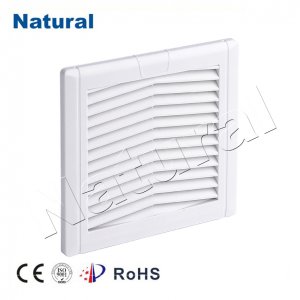
Filter fans, also known as fan filter units (FFUs), have become an essential component in various industries where temperature regulation and contaminant control are paramount. These devices are adept at removing airborne particles, such as dust, dirt, and even microorganisms, from the air circulating within an enclosure. By doing so, filter fans help extend the lifespan of equipment and minimize the risk of malfunctions or breakdowns. One of the most prominent applications of filter fans is in data centers, where an array of electronic equipment generates substantial heat. The cooling process is critical to prevent overheating and subsequent damage. Filter fans not only contribute to maintaining a suitable temperature but also ensure that the air used for cooling is clean. Contaminant-free airflow is vital to prevent the accumulation of dust and debris on sensitive circuitry, which could potentially disrupt the functioning of servers and other networking equipment. In industrial settings, filter fans are equally indispensable. Manufacturing processes often involve the generation of airborne particles and pollutants that can compromise the operation of machinery. Filter fans play a pivotal role in these environments by continuously circulating and filtering the air, safeguarding the integrity of crucial equipment and reducing maintenance requirements. This not only results in cost savings but also enhances overall productivity. The advantages of filter fans extend beyond their air-cleaning capabilities. Modern filter fan units are designed with energy efficiency in mind. They incorporate intelligent controls that adjust fan speed according to real-time conditions, optimizing airflow while minimizing power consumption. This dual benefit not only contributes to a greener environment but also reduces operational costs for businesses. Furthermore, the design of filter fans has evolved to be both ergonomic and user-friendly. Maintenance and replacement of filters are simplified, ensuring that the devices remain effective over time. Filter replacement indicators and easy-to-access compartments make it convenient for operators to keep the equipment functioning optimally, requiring minimal downtime. In domestic applications, filter fans have found their place in improving indoor air quality. From kitchen exhausts to air purifiers, these units effectively filter out pollutants and allergens, creating a healthier living environment for residents. With the rising concerns about air pollution and respiratory issues, the demand for residential filter fans is on the rise. As technology continues to advance, the capabilities of filter fans are poised to expand even further. The integration of IoT (Internet of Things) technology allows for remote monitoring and control of filter fan units, providing real-time data on air quality and system performance. This level of connectivity empowers users to take proactive measures and make informed decisions to ensure optimal air quality and equipment operation. In conclusion, the unassuming filter fan plays a critical role in various industries and applications, contributing to cleaner air and more efficient equipment operation. Whether in data centers, manufacturing facilities, or residential settings, the impact of filter fans is undeniable. As we move towards a more interconnected world, the continued development and utilization of filter fan technology are set to shape a future where air quality and equipment efficiency go hand in hand.