In today’s rapidly advancing technological landscape, electronic devices and equipment have become integral components of both our personal and professional lives. From data centers to home entertainment systems, the need to maintain optimal operating conditions for these devices is paramount. One of the key factors in ensuring the longevity and reliability of such equipment is managing the internal temperature and air quality within cabinets. This is where cabinet fan filters play a pivotal role, enhancing air quality and cooling efficiency to safeguard the functionality of electronic systems.
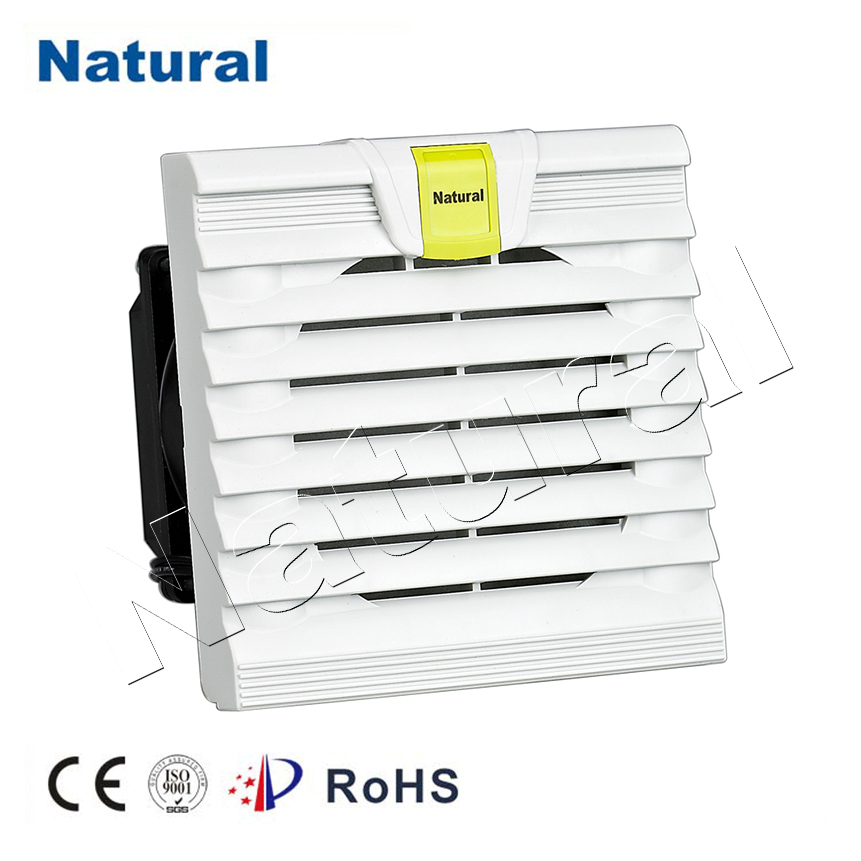
The Role of Cabinet Fan Filters Cabinet fan filters are specialized components designed to maintain a clean and controlled environment within electronic enclosures. These enclosures house sensitive equipment that generates heat during operation. The accumulation of dust, dirt, and other particulate matter can obstruct airflow, leading to inadequate cooling and potential overheating. Cabinet fan filters act as barriers against these contaminants, ensuring the integrity of the internal environment. Benefits of Using Cabinet Fan Filters Improved Air Quality: One of the primary functions of cabinet fan filters is to trap and prevent dust and debris from entering the cabinet. Clean air is crucial for the optimal performance of electronic components, as dust particles can settle on sensitive surfaces, impeding heat dissipation and potentially causing short circuits. Enhanced Cooling Efficiency: Efficient cooling is essential for preventing overheating, which can lead to performance degradation and even system failure. Cabinet fan filters allow air to circulate freely while blocking debris, maintaining consistent cooling and prolonging the lifespan of equipment. Reduced Maintenance Frequency: Without proper filtration, dust and contaminants can accumulate rapidly, necessitating frequent cleaning and maintenance. By incorporating cabinet fan filters, the frequency of manual cleaning and maintenance is reduced, saving time and resources. Extended Equipment Lifespan: Electronic components exposed to high temperatures and poor air quality are more likely to experience premature failure. By maintaining a controlled environment through fan filters, the lifespan of equipment is extended, reducing the need for frequent replacements. Energy Efficiency: When cooling systems have to work harder to compensate for restricted airflow, energy consumption increases. Cabinet fan filters promote efficient airflow, contributing to energy savings and cost reduction. Choosing the Right Cabinet Fan Filter Selecting the appropriate cabinet fan filter is essential to ensure compatibility and effectiveness. Factors to consider include: Airflow Rate: Choose a fan filter with an airflow rate suitable for the heat generated by the enclosed equipment. Filtration Efficiency: Look for filters with high-efficiency ratings to effectively capture even the smallest particles. Filter Media: Different filter media offer varying levels of filtration. Synthetic fibers and foam are common materials used in cabinet fan filters. Installation: Easy installation is crucial for maintenance and replacement. Opt for filters that can be easily removed and cleaned or replaced. Cabinet Size: Select fan filters that match the dimensions of the cabinet’s ventilation openings. Conclusion In the realm of electronics, maintaining optimal operating conditions is essential for equipment longevity and performance. Cabinet fan filters serve as guardians, ensuring clean air and efficient cooling within electronic enclosures. By mitigating the risks associated with dust and debris accumulation, these filters contribute to the overall reliability and efficiency of electronic systems. As technology continues to evolve, the role of cabinet fan filters remains indispensable in safeguarding our valuable electronic investments.