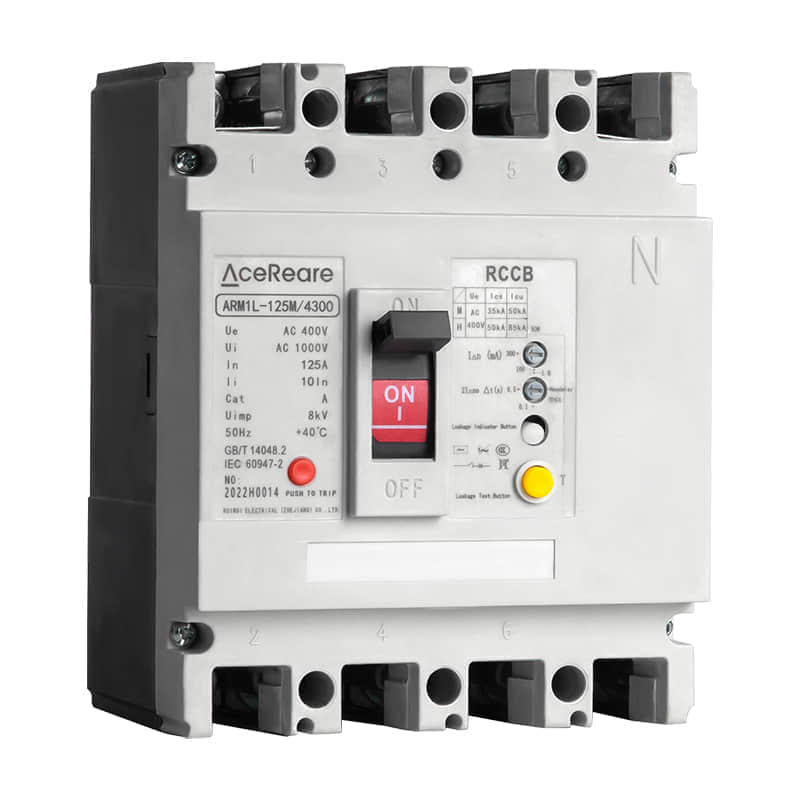
In our modern world, electricity is the lifeblood of our daily activities, powering everything from our homes to our industries. As we become increasingly dependent on electrical systems, ensuring their safety is of paramount importance. One crucial innovation in this realm is the Molded Case Circuit Breaker (MCCB) with Residual Leakage Protection. This technology not only offers efficient circuit protection but also significantly enhances electrical safety.
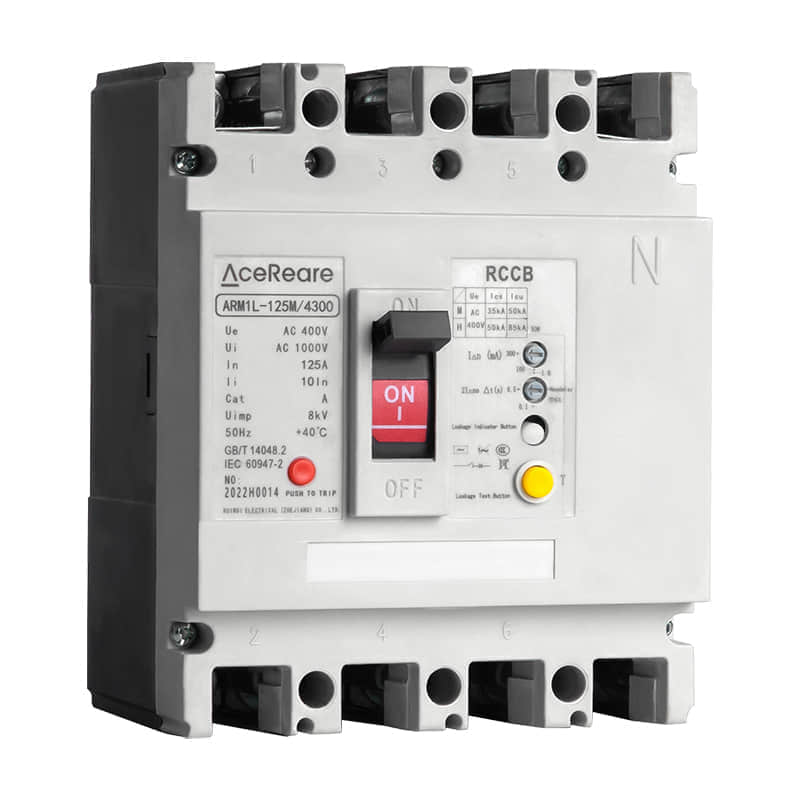
MCCBs have long been integral to safeguarding electrical systems by detecting and interrupting faults such as short circuits and overloads. However, the integration of residual leakage protection takes their capabilities to a higher level. Residual Leakage Protection, often referred to as Residual Current Devices (RCDs) or Ground Fault Circuit Interrupters (GFCIs), monitors the flow of current entering and exiting a circuit. This additional functionality addresses a critical concern: electrical shock hazards due to ground faults or leakages.
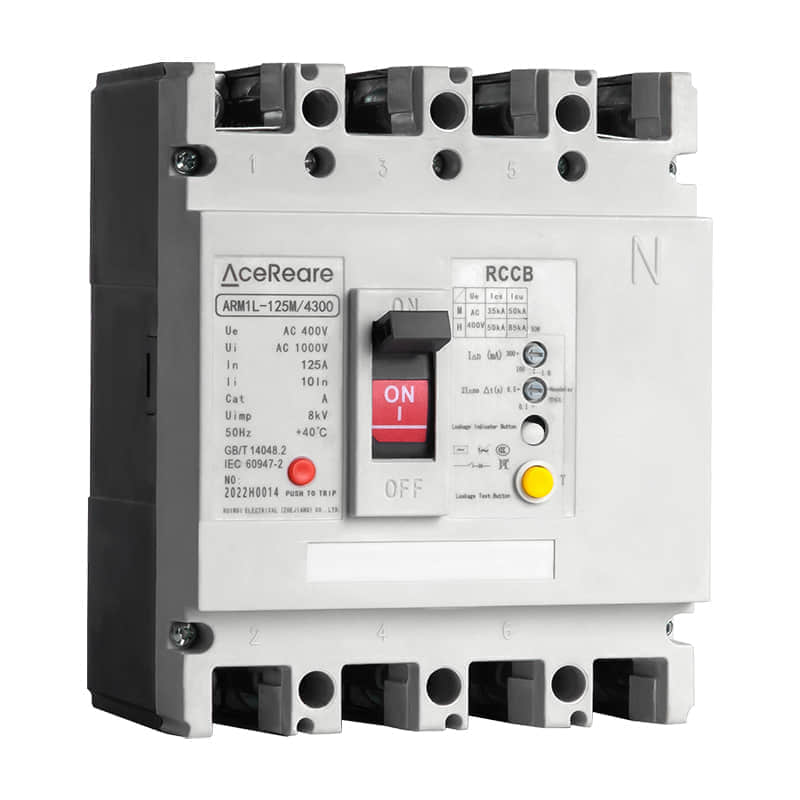
In essence, a ground fault occurs when there is an unintended path for electric current to flow to the ground. This can happen when a person comes into contact with a faulty appliance or a live wire, potentially leading to serious injuries or even fatalities. The MCCB with Residual Leakage Protection works by constantly comparing the incoming and outgoing currents. If any imbalance is detected, it indicates a leakage or ground fault, and the MCCB reacts swiftly to trip the circuit, preventing harm. One of the remarkable advantages of MCCBs with residual leakage protection is their sensitivity to even minute current imbalances. Traditional circuit breakers might not respond to low-level leakages that could still pose a danger. However, MCCBs with RCDs can detect tiny deviations in current flow, ensuring that the circuit is quickly interrupted, thus significantly reducing the risk of electric shock. These advanced MCCBs find applications in a wide range of settings. In residential environments, they can be installed to protect outlets in bathrooms, kitchens, and outdoor areas where moisture increases the likelihood of ground faults. In industrial settings, where heavy machinery and complex electrical systems are prevalent, MCCBs with residual leakage protection provide an added layer of security for workers and equipment alike. In addition to their life-saving capabilities, MCCBs with RCDs offer practical benefits. Their ability to pinpoint the location of a fault makes troubleshooting easier and faster. This reduces downtime in industrial environments and inconvenience in residential settings. Moreover, the integration of these features into a single device streamlines installation and maintenance procedures, making them an attractive choice for both professionals and homeowners. As technology advances, so does our understanding of electrical safety. The incorporation of residual leakage protection into MCCBs marks a significant step forward in mitigating electrical hazards. Nevertheless, it’s important to remember that no technology is infallible. Regular maintenance checks and periodic testing are crucial to ensure these devices operate effectively when needed. In conclusion, the Molded Case Circuit Breaker with Residual Leakage Protection represents a vital evolution in electrical safety. By combining traditional circuit protection with the ability to detect and prevent ground faults, these devices offer comprehensive protection against electric shock hazards. Whether in our homes or workplaces, their presence assures us that we can harness the power of electricity without compromising on safety.