In various industrial and technological applications, maintaining the right environmental conditions within electronic enclosures is paramount to ensure the reliability and longevity of sensitive components. Enclosure heaters play a crucial role in achieving and maintaining these conditions, especially in environments where temperature and humidity fluctuations could pose a threat to the enclosed equipment.
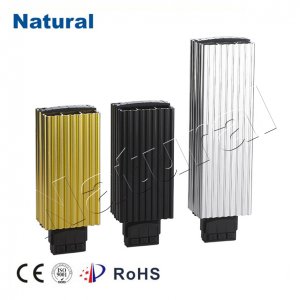
Introduction Electronic devices and components are becoming increasingly prevalent in our modern world, from telecommunications to manufacturing processes. These devices are often housed within enclosures to protect them from external factors such as dust, moisture, and extreme temperatures. However, these protective enclosures can create their own set of challenges, as they can trap heat generated by the equipment, potentially leading to overheating. The Role of Enclosure Heaters Enclosure heaters are specialized devices designed to address these challenges by maintaining a stable and controlled temperature within the enclosure. These heaters are strategically placed to distribute heat evenly, preventing the formation of condensation that could lead to corrosion, short circuits, and other potential failures. Key Benefits and Features Prevention of Condensation: One of the primary purposes of enclosure heaters is to prevent condensation from forming within the enclosure. As the temperature inside the enclosure is kept slightly above the surrounding air’s dew point, moisture is unable to accumulate, reducing the risk of damage to sensitive components. Temperature Regulation: Enclosure heaters provide precise temperature control, ensuring that equipment operates within the optimal temperature range. This is particularly critical in environments with extreme temperature variations. Enhanced Component Lifespan: By maintaining a consistent and controlled environment, enclosure heaters extend the lifespan of components, reducing the need for frequent replacements and repairs. Energy Efficiency: Modern enclosure heaters are designed with energy efficiency in mind. They utilize intelligent control systems that activate the heaters only when necessary, minimizing energy consumption. Easy Installation: Enclosure heaters are typically compact and designed for easy installation. They can be affixed to the enclosure’s internal surfaces without occupying excessive space. Applications Enclosure heaters find applications in a wide range of industries: Telecommunications: Communication equipment housed in outdoor cabinets requires protection against extreme weather conditions. Enclosure heaters prevent freezing and maintain optimal operating conditions. Manufacturing: In industrial settings, electronic control systems within enclosures must function reliably. Enclosure heaters prevent moisture buildup and ensure uninterrupted operation. Energy Sector: Remote monitoring and control systems for power generation and distribution often face harsh environments. Enclosure heaters guarantee proper functioning in spite of temperature fluctuations. Transportation: Enclosure heaters are used in the transportation sector to ensure the reliability of control systems in vehicles, aircraft, and marine vessels. Innovations in Enclosure Heating Technology Advancements in materials and technology have led to the development of more efficient and intelligent enclosure heaters. These innovations include: Self-Regulating Heaters: These heaters automatically adjust their heat output based on the surrounding temperature, preventing overheating and optimizing energy usage. Integrated Control Systems: Some enclosure heaters come with built-in sensors and control systems that monitor the internal conditions and activate the heater as needed, further enhancing energy efficiency. Remote Monitoring and Management: IoT-enabled enclosure heaters can be remotely monitored and controlled, allowing for real-time adjustments and problem detection. Conclusion Enclosure heaters play a crucial role in maintaining optimal operating conditions for sensitive electronic equipment. By preventing condensation, regulating temperatures, and enhancing the longevity of components, they contribute to the reliability and performance of various industries. As technology continues to evolve, enclosure heaters are likely to become even more sophisticated, ensuring the seamless functioning of electronic devices in even the harshest environments.