In our modern world, the demand for efficient and versatile heating solutions is constantly on the rise. One innovative technology that has been gaining traction in recent years is the element heater. This advanced heating solution offers numerous benefits across various applications, from residential to industrial settings.
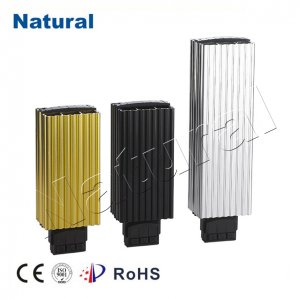
Understanding Element Heaters Element heaters are devices designed to generate heat through electrical resistance. They consist of a heating element made from materials with high electrical resistance, such as nichrome or Kanthal. When an electric current passes through the element, it encounters resistance, causing the element to heat up. This generated heat is then transferred to the surrounding environment, providing a controlled source of warmth. Efficiency and Energy Savings One of the key advantages of element heaters is their efficiency. Unlike traditional heating methods that rely on the combustion of fuels, element heaters convert nearly all the electrical energy they consume into heat. This high efficiency translates into energy savings, making them a more environmentally friendly and cost-effective heating option. Additionally, their ability to provide instantaneous heat contributes to reduced energy wastage, as there is no need for preheating or waiting for the system to warm up. Versatility in Applications Element heaters are incredibly versatile, finding applications in a wide range of scenarios. In residential settings, they are commonly used in water heaters, space heaters, and radiant floor heating systems. Their ability to quickly and uniformly distribute heat makes them ideal for ensuring comfort during colder months. In industrial environments, element heaters play a crucial role in processes such as plastic molding, food production, and chemical reactions. Their precise temperature control and rapid response time contribute to consistent and efficient production processes. Additionally, their compact size allows for easy integration into various systems and equipment. Advanced Controls and Automation Modern element heaters often come equipped with advanced control systems that allow users to fine-tune the temperature and manage energy consumption. These controls enable users to set specific temperature parameters, schedule heating cycles, and even remotely monitor and adjust the heaters. This level of automation not only enhances convenience but also contributes to further energy savings by ensuring optimal usage. Challenges and Considerations While element heaters offer numerous benefits, there are certain challenges and considerations associated with their use. High-temperature applications can lead to wear and tear on the heating elements over time, necessitating periodic maintenance and replacement. Moreover, in industrial settings, ensuring proper insulation and safety measures is crucial to prevent accidents and damage. The Road Ahead As technology continues to evolve, so do element heaters. Ongoing research and development are focused on enhancing their efficiency, durability, and safety features. This includes exploring new materials for heating elements, improving thermal insulation, and developing smarter control algorithms. In conclusion, element heaters have emerged as a highly efficient and versatile heating solution for both residential and industrial applications. Their ability to provide instant, controlled heat while minimizing energy consumption makes them a compelling choice in a world increasingly concerned with sustainability and efficiency. With ongoing advancements in technology, element heaters are poised to play an even more significant role in shaping the future of heating systems.