In industrial environments, safety is always the number one priority, especially when it comes to the operation and maintenance of electrical equipment. One of the most critical safety measures in this context is the use of Electrical Equipment Lockouts. These lockouts are vital tools used to ensure that electrical devices cannot be accidentally or intentionally powered on during maintenance or repair, which can pose significant hazards to workers. In recent years, there has been a growing trend of purchasing these lockout devices in bulk, which offers several advantages to organizations and their safety protocols. This article explores the importance of Electrical Equipment Lockouts, the benefits of bulk orders, and how to effectively manage such purchases.
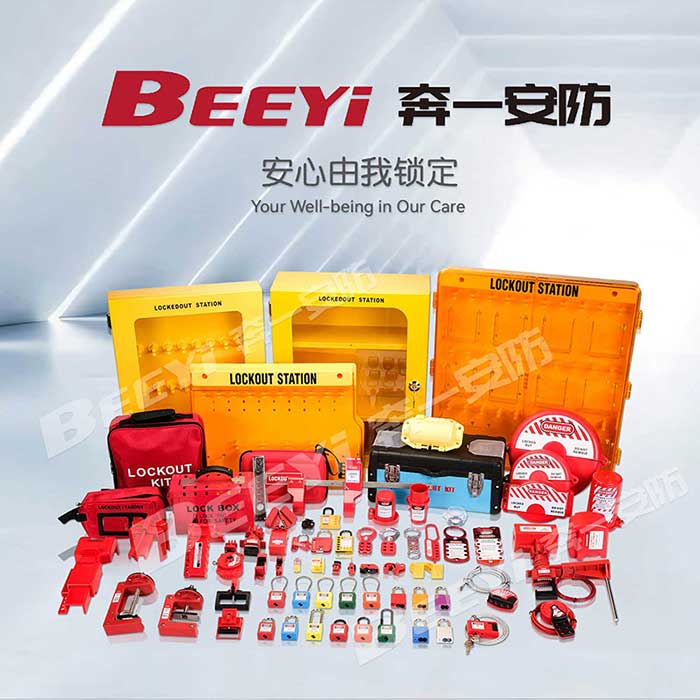
What Are Electrical Equipment Lockouts? Electrical Equipment Lockouts are safety devices that are designed to prevent the accidental energization of electrical equipment during maintenance or repair. These devices include locks, tags, and specific locking mechanisms that are attached to switches, circuit breakers, and other electrical components to ensure they cannot be turned on. Lockout procedures are often a key part of a broader Lockout/Tagout (LOTO) program, which is mandated by safety regulations like OSHA (Occupational Safety and Health Administration) in many countries. When properly implemented, lockouts protect workers by isolating electrical equipment from its power source, reducing the risk of electric shock, burns, or other accidents. This is particularly important in industries such as manufacturing, construction, utilities, and chemical processing, where workers frequently interact with potentially hazardous electrical systems.