In industries where electrical equipment is a critical component of daily operations, ensuring the safety of workers during maintenance and repair activities is paramount. Electrical accidents, especially those involving high-voltage equipment, can result in severe injuries or even fatalities. This is where Electrical Equipment Lockouts come into play—ensuring that power to electrical systems is safely and securely isolated before any maintenance work begins. The factory that manufactures these lockout devices plays a crucial role in ensuring the safety of employees and helping businesses comply with workplace safety regulations.
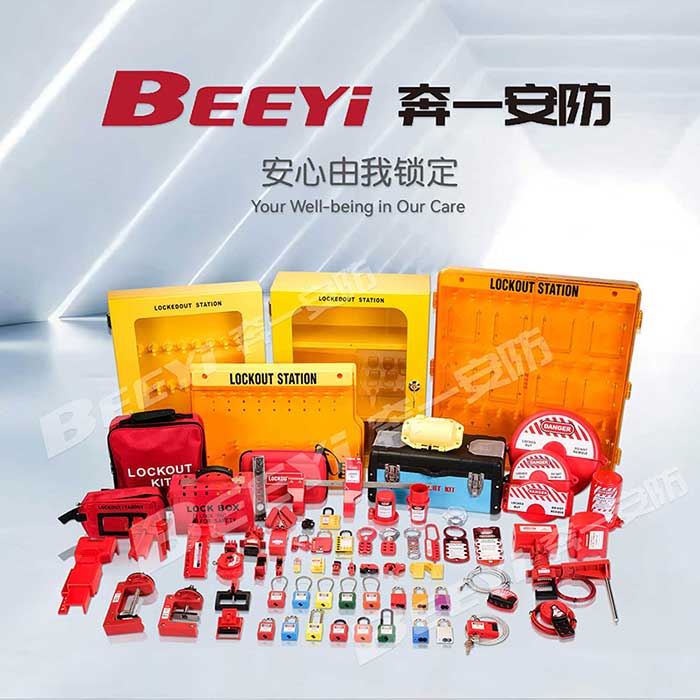
The Importance of Electrical Equipment Lockouts Electrical equipment lockouts are safety devices designed to prevent the accidental energizing of electrical circuits during maintenance, repair, or servicing operations. These lockout systems typically consist of various lockout tags, devices, and locks that physically block access to the power source. They ensure that no one can unintentionally turn on the power while workers are engaged in critical tasks, such as wiring, troubleshooting, or equipment repair. In many industries, electrical safety is governed by regulatory bodies like OSHA (Occupational Safety and Health Administration) in the United States or other regional safety organizations. These agencies require companies to implement proper lockout/tagout (LOTO) procedures, including the use of lockout devices to secure electrical equipment during maintenance. This practice significantly reduces the risk of electrical shocks, burns, and other injuries caused by sudden and unexpected equipment activation.