The electric vehicle (EV) industry has been growing at an unprecedented rate, with the transition from traditional internal combustion engine vehicles to electric propulsion systems leading the charge. One of the critical components of an electric vehicle is the Electric Vehicle High Voltage Relay (EV HV Relay), which plays a vital role in ensuring the safety and efficiency of EV systems. In this article, we will explore the importance of high voltage relays in EVs, how they function, their key features, and why they are indispensable for modern electric vehicles.
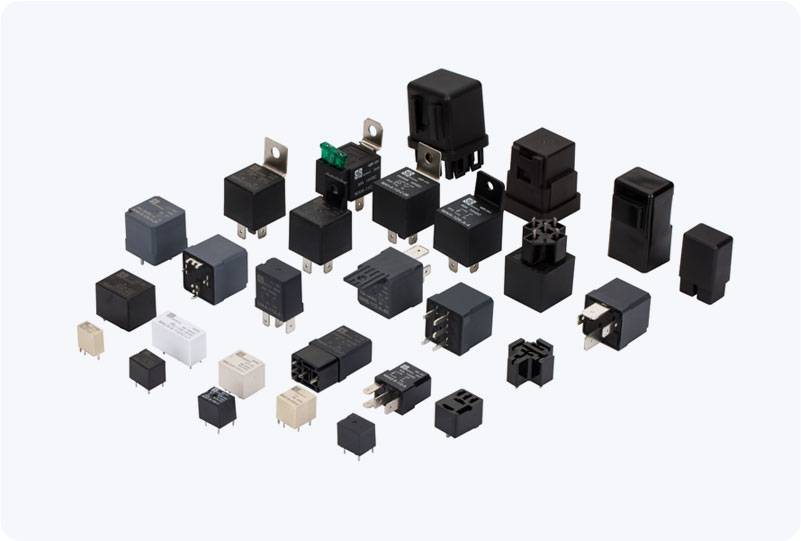
What is an Electric Vehicle High Voltage Relay? An Electric Vehicle High Voltage Relay is an electrical switching device that controls the flow of high voltage between the battery and other key components in an electric vehicle, such as the electric motor, charger, and inverter. Since EV batteries typically operate at high voltage levels—ranging from 300V to 800V or more—the relay is designed to handle such power and isolate or connect circuits safely. The primary function of a high voltage relay is to open or close electrical circuits under specific conditions, ensuring that high-voltage connections are made or broken at the right time, in a controlled manner, to prevent dangerous electrical faults or accidents. These relays serve as the gatekeepers of electrical power within the vehicle, helping to protect both the components and passengers from high-voltage hazards.