Electric two-seat regulating valves have become a crucial component in the world of fluid regulation, offering unparalleled precision and reliability for industries that require tight control over their fluid systems. These valves, coupled with electric actuators, provide automatic regulation of fluid flow, enhancing efficiency in various applications such as chemical processing, power plants, HVAC systems, and water treatment facilities. In this article, we will explore the role of electric two-seat regulating valve manufacturers in advancing these vital components, highlighting their technological innovations, key applications, and the benefits they bring to industrial processes.
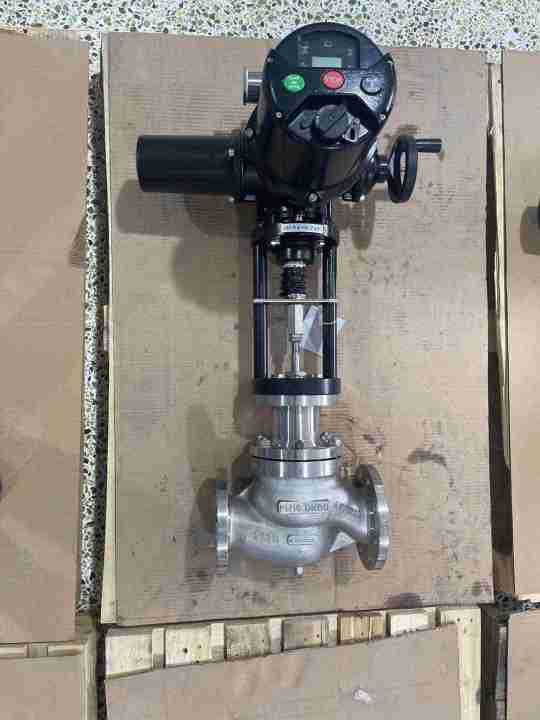
What is an Electric Two-Seat Regulating Valve? At its core, an electric two-seat regulating valve is designed to control the flow of fluids within a pipe system. Unlike traditional single-seat valves, the two-seat design incorporates two sealing points, offering enhanced reliability and reduced leakage. This makes it especially effective in high-pressure and critical applications where precision is paramount. The valve is operated by an electric actuator, which adjusts the valve’s position based on a control signal. The actuator moves the valve’s disc or plug mechanism to allow varying amounts of fluid to flow through the valve, making it possible to maintain specific flow rates, pressures, or temperatures automatically. These valves are often integrated into automated control systems, ensuring a smooth and efficient operation without requiring manual intervention.