Electric two-seat regulating valves are crucial components in various industrial processes, serving as a reliable solution for controlling fluid and gas flow. These valves are widely used in industries such as chemical processing, HVAC (heating, ventilation, and air conditioning), water treatment, and oil and gas. The electric actuator technology that powers these valves allows for precise, automated control, ensuring that fluid or gas flow remains consistent within desired parameters. In this article, we will explore the role of electric two-seat regulating valves, their applications, and highlight some of the leading manufacturers in the industry.
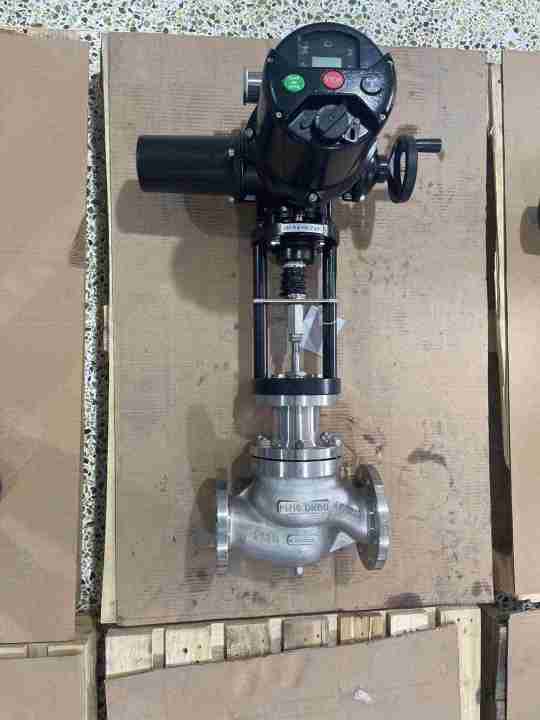
The Role of Electric Two-Seat Regulating Valves At the core of an electric two-seat regulating valve is its dual-seating mechanism. Unlike single-seat valves, which are typically used for basic on/off flow control, two-seat valves are designed to offer better flow regulation, making them ideal for applications where precision and leakage prevention are critical. The two-seat design ensures a better sealing capability, providing tighter shut-off performance and minimal leakage. The “electric” aspect of these valves refers to the electric actuator that controls the valve’s position. These actuators can receive electronic signals from control systems and adjust the valve’s opening to regulate the flow of fluids or gases. This precise control enables industries to maintain a consistent process environment, which is particularly important in applications such as pressure regulation, temperature control, and chemical dosing.