Electric single seat regulating valves are essential components in numerous industries, particularly those involved in fluid control systems. These valves are commonly utilized in processes where precise control over flow rate, pressure, and temperature is crucial. The combination of an electric actuator with a single seat valve offers high efficiency, accuracy, and reliability in various industrial applications. This article delves into the role of OEM manufacturers in producing electric single seat regulating valves and the important factors to consider when selecting such manufacturers.
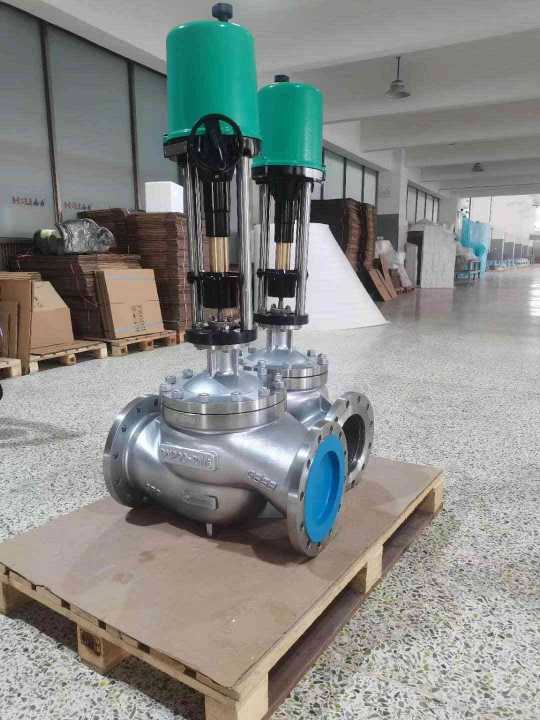
What is an Electric Single Seat Regulating Valve? An electric single seat regulating valve is a device designed to control the flow of fluid within a pipeline. It consists of a valve body, an actuator, and a seat that works in tandem to control the passage of fluids. The “single seat” designation refers to the valve design where the flow of the fluid is regulated by a single sealing surface. The electric actuator is responsible for moving the valve mechanism according to signals from a control system, enabling precise control over the fluid flow. These valves are widely used in industries such as chemical processing, water treatment, oil and gas, power generation, and food and beverage manufacturing. Their ability to provide accurate control in demanding conditions makes them indispensable for maintaining operational efficiency and safety in complex systems.