Electric pinch valves are a significant advancement in valve technology, offering precise fluid control while maintaining high hygiene standards. These valves, primarily designed to regulate the flow of fluids in pipelines, have become increasingly popular in industries where cleanliness and accuracy are paramount. In this article, we will explore the working principle, advantages, applications, and future potential of electric pinch valves.
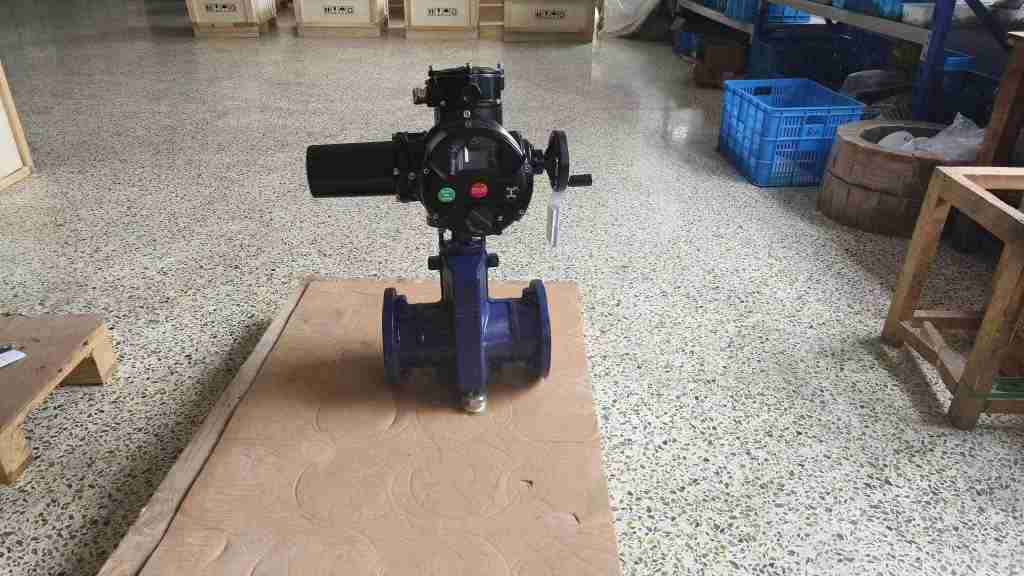
Understanding Electric Pinch Valves At their core, electric pinch valves are designed to control the flow of fluids by compressing a flexible tube (or hose) within the valve body. The valve typically consists of an electric actuator, a pinch mechanism, and a control system. The electric actuator adjusts the pinch mechanism, which squeezes or releases the flexible tube, thereby regulating or completely stopping the flow of the fluid inside the pipe. Unlike traditional valves, such as ball or gate valves, the electric pinch valve does not require contact between the valve body and the fluid. This key feature makes it ideal for handling fluids that are corrosive, abrasive, or hazardous to the environment or operators. The pinch valve’s sealing mechanism eliminates the need for conventional seals or packing, which are often prone to wear and leakage.