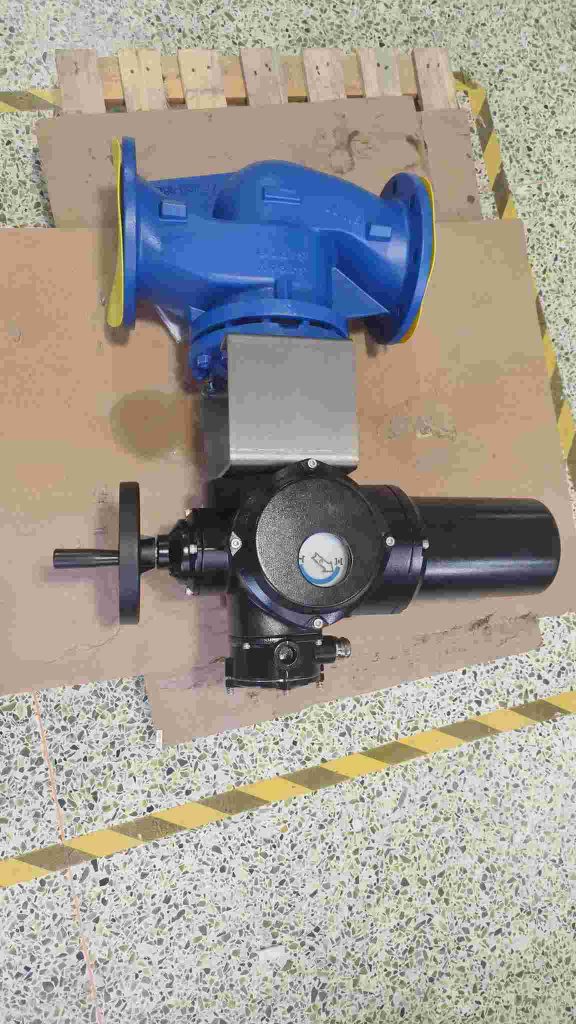
Electric globe valves are essential components in modern industrial systems, providing a reliable means of controlling fluid flow. These valves, operated by an electric actuator, offer precision, efficiency, and automation, making them a preferred choice in various applications such as HVAC systems, water treatment, chemical processing, and more. In this article, we will delve into the functionality, features, advantages, and key applications of electric globe valves, highlighting their importance in modern engineering.
What is an Electric Globe Valve?
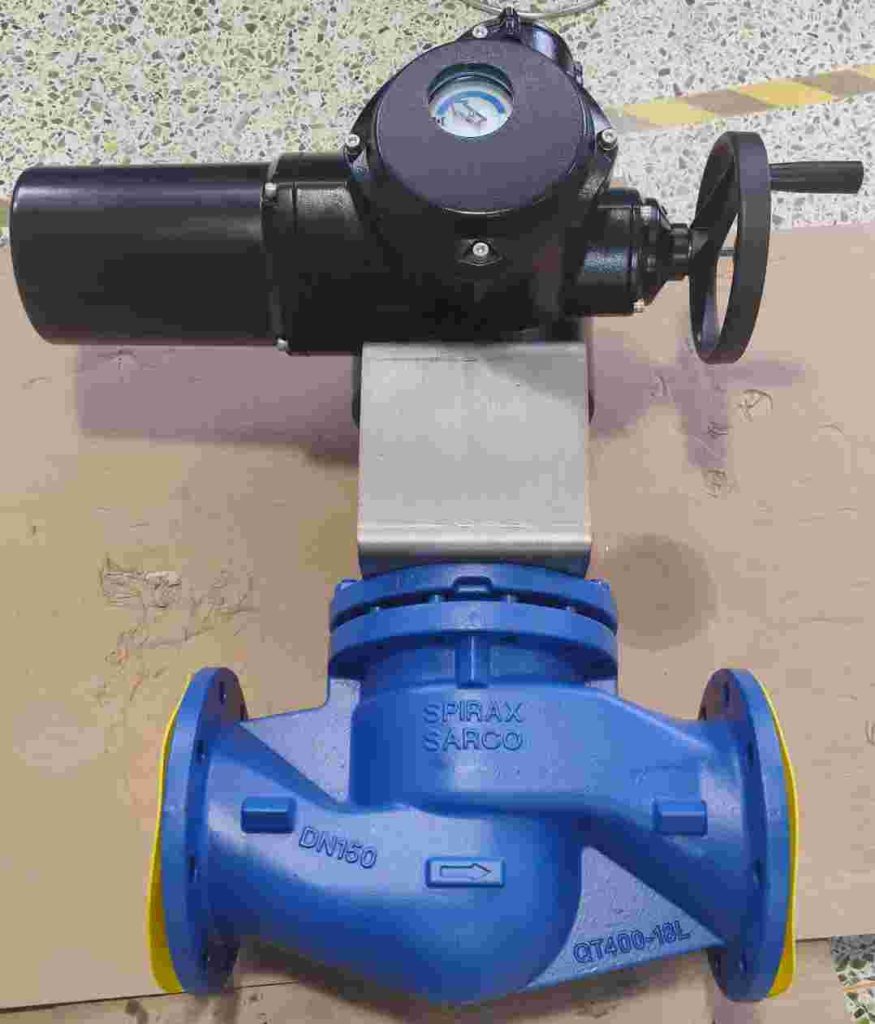
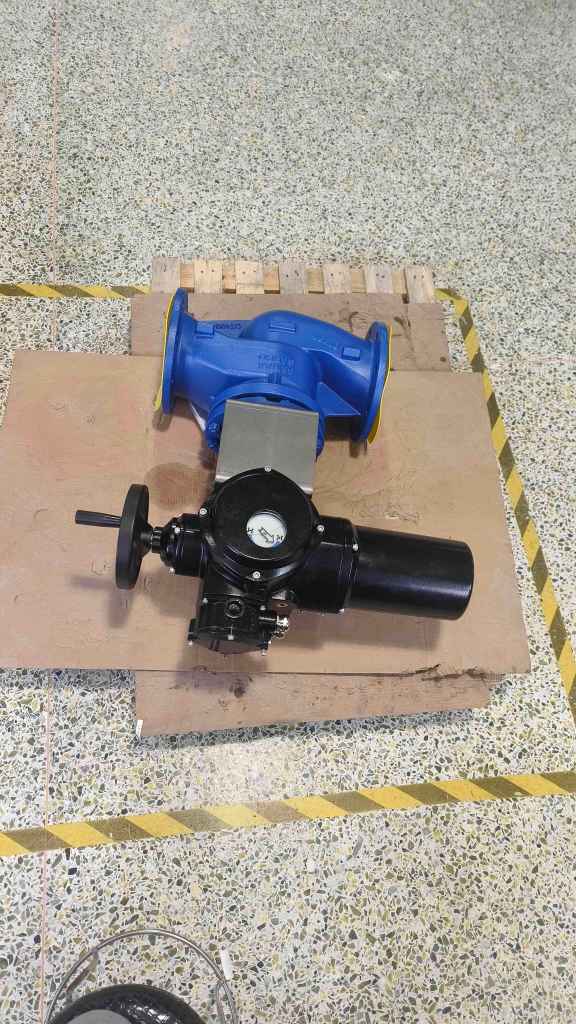
An electric globe valve is a type of valve used to regulate the flow of fluids in pipelines, featuring a globe-shaped body design that provides a smooth flow path. Unlike other valve types, such as ball valves or gate valves, globe valves are primarily designed for throttling control, offering precise regulation of fluid flow and pressure. The electric actuator is the core component that operates the valve automatically, making it suitable for remote or automated control systems. How Does an Electric Globe Valve Work? The operation of an electric globe valve is relatively straightforward. The valve consists of a stem, a disc (also known as the plug), and a seat that forms the flow path. The electric actuator is connected to the stem, and when an electrical signal is received, the actuator moves the stem, causing the disc to either open or close the valve, thereby controlling the flow of the fluid. The degree to which the valve opens or closes is precisely controlled, allowing for smooth and gradual adjustment of fluid flow.