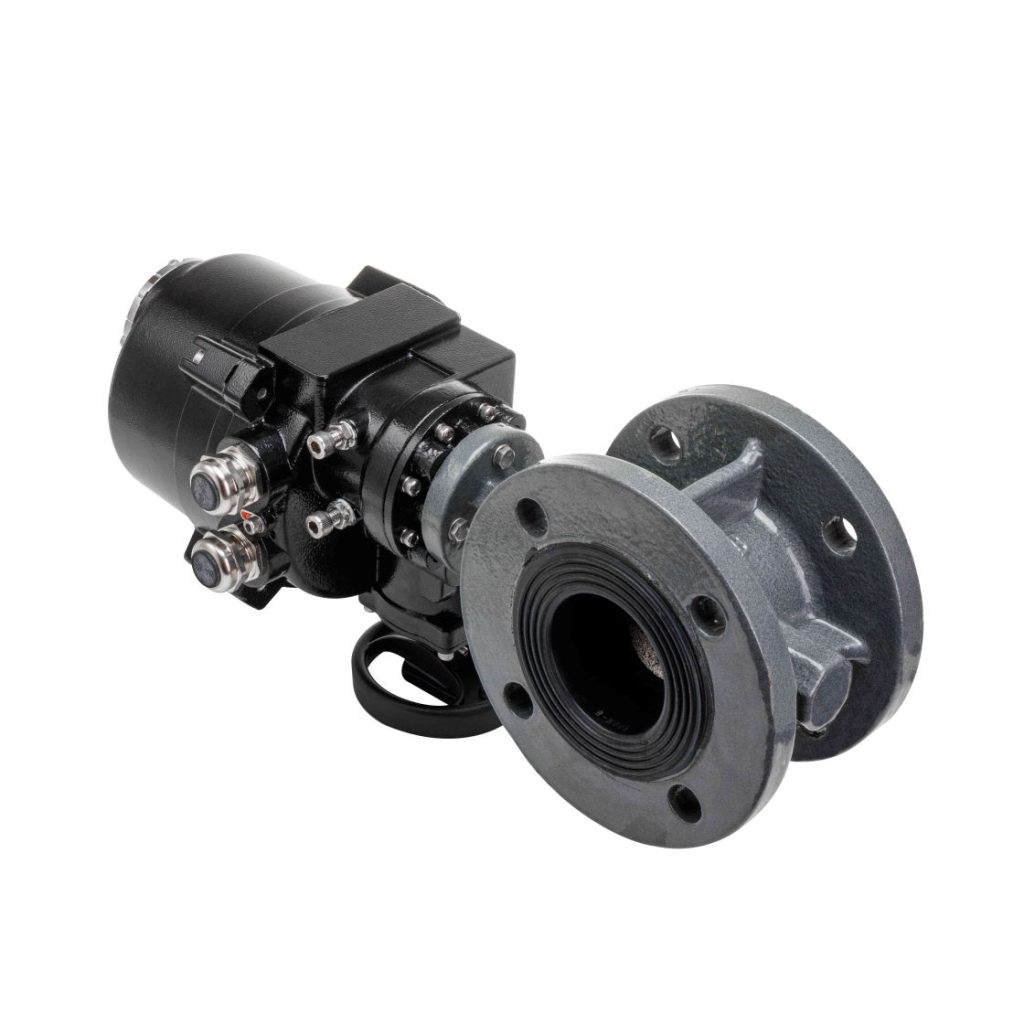
Electric ball valves have become a critical component in modern industrial automation, offering highly reliable and efficient control over fluid flow in various applications. With advancements in technology, these valves are now an essential part of fluid control systems in industries such as oil and gas, water treatment, chemical processing, and HVAC. In this article, we will explore what electric ball valves are, how they function, their advantages, and the key considerations for selecting the right valve for your needs.
What is an Electric Ball Valve?
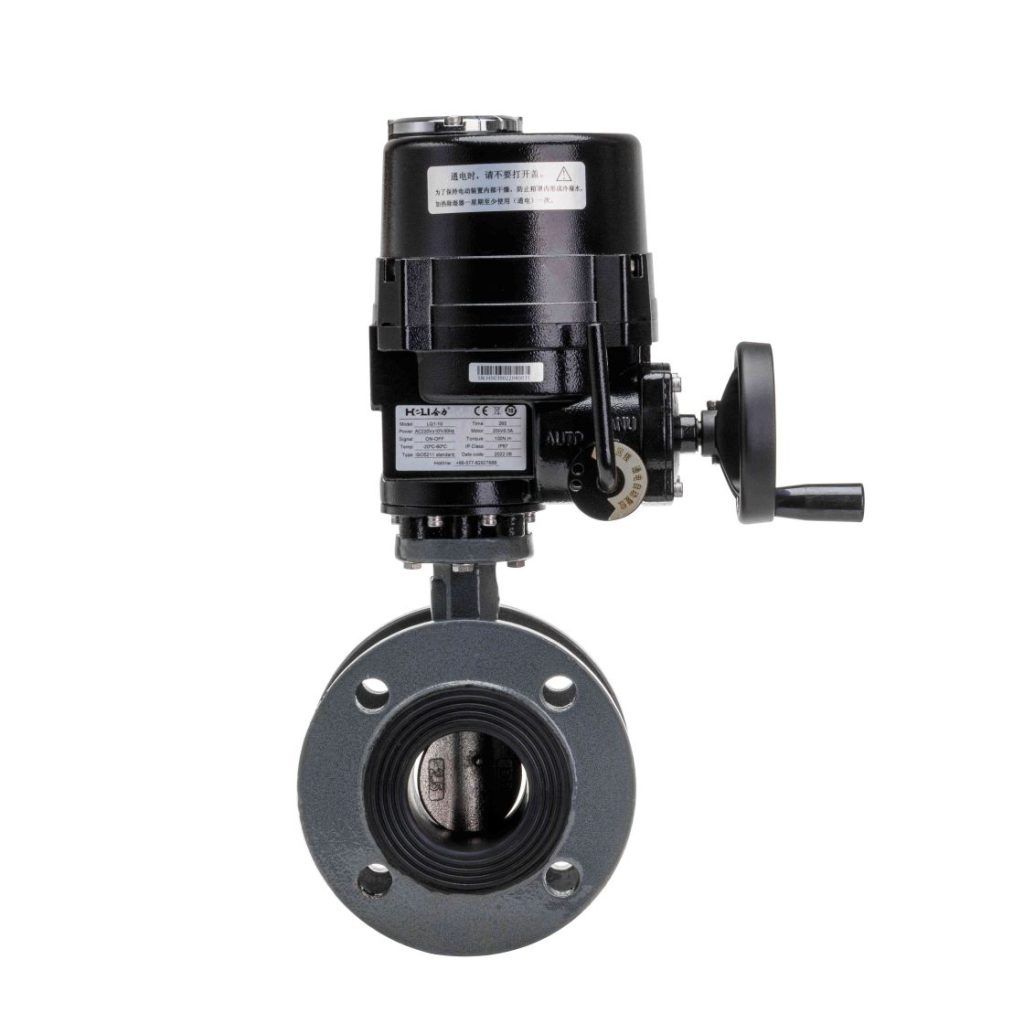
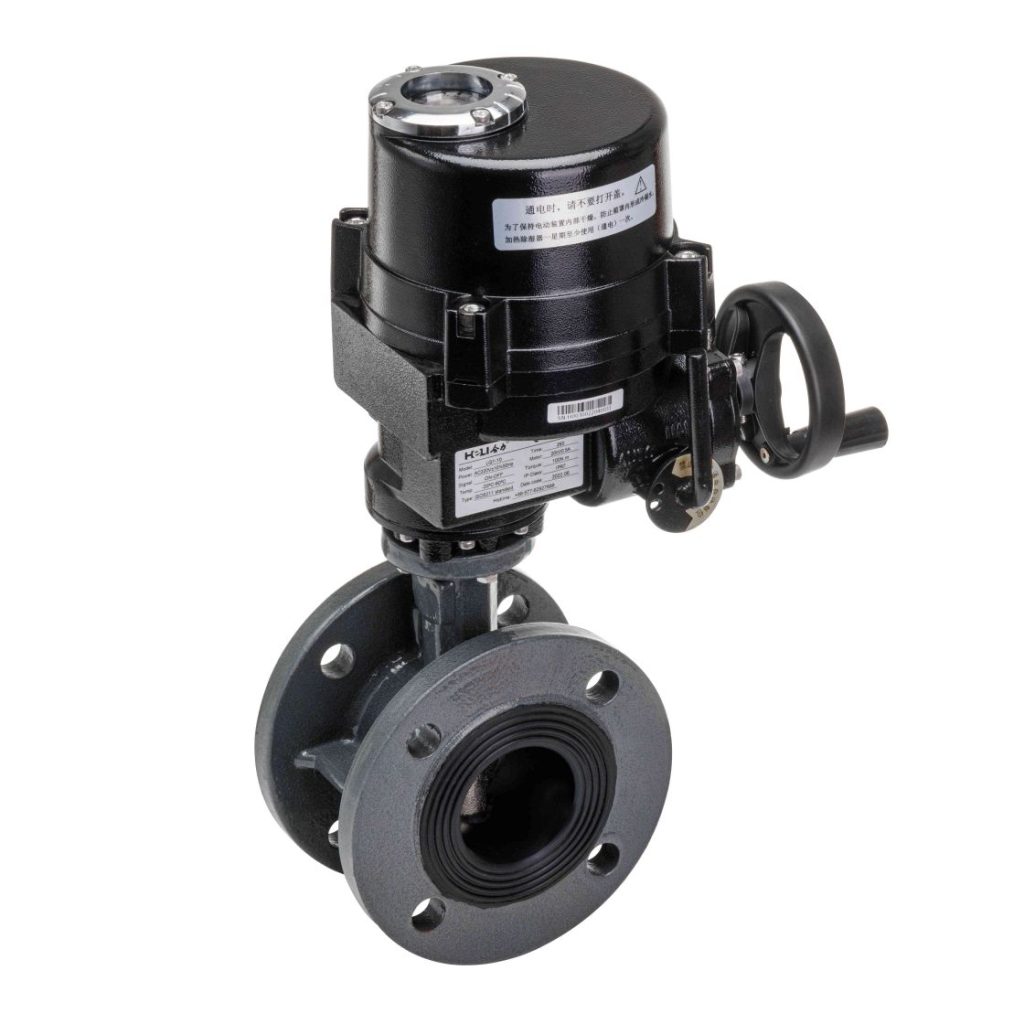
An electric ball valve is a type of valve that uses an electric actuator to open or close the valve’s spherical ball. The ball inside the valve has a hole through it that allows fluid to pass when aligned in the open position. By rotating the ball to the closed position, the hole is blocked, preventing the flow of fluid. The electric actuator is powered by electricity, which controls the valve’s movement remotely, making it an ideal choice for automated systems. Electric ball valves typically consist of three main components: Valve Body: The physical casing containing the ball and sealing elements.