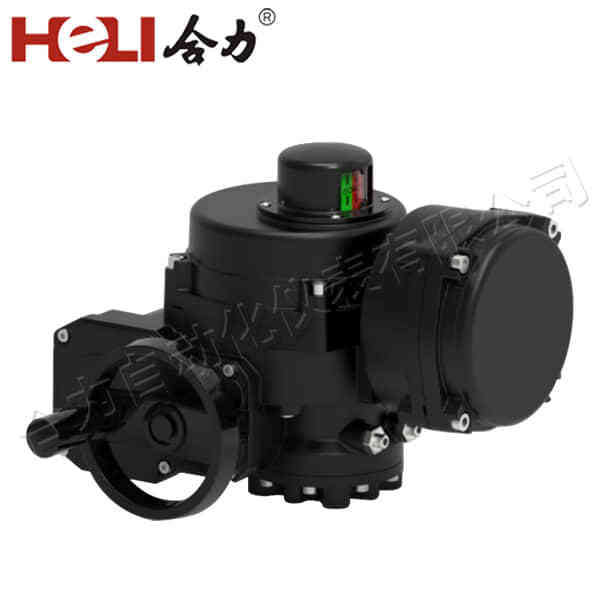
Electric actuators are essential components in modern automation systems, providing reliable, efficient, and precise control for various industrial applications. As technology advances, industries are increasingly adopting electric actuators to replace traditional pneumatic or hydraulic actuators, thanks to their numerous advantages, including energy efficiency, low maintenance, and better control precision. This article explores the workings, types, applications, and advantages of electric actuators, shedding light on their growing importance in automation.
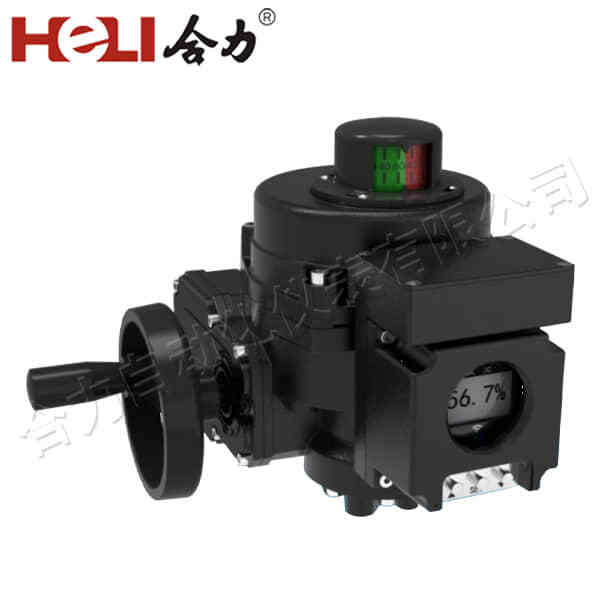
What is an Electric Actuator?
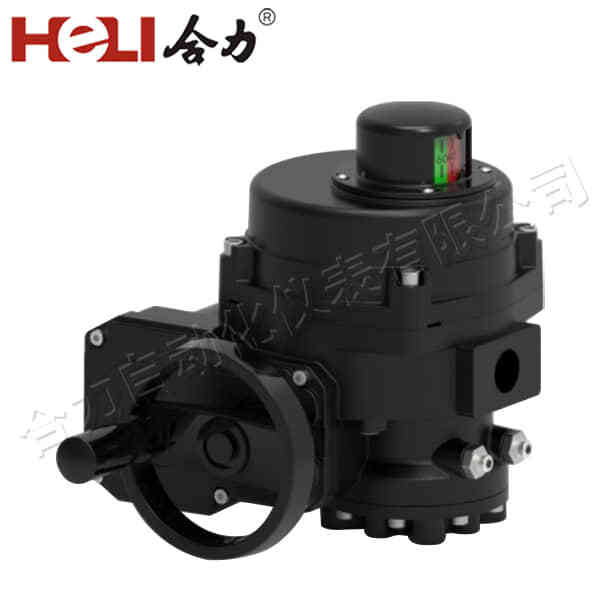
An electric actuator is a device that converts electrical energy into mechanical motion, typically to control or drive mechanical systems. The movement generated can be either linear or rotary, depending on the type of actuator. At its core, an electric actuator consists of an electric motor and a mechanism that translates the motor’s motion into physical movement. The electric motor can be either direct current (DC), alternating current (AC), or stepper motors, while the mechanical system may include gears, screws, or belts to generate the desired movement. Types of Electric Actuators Electric actuators come in two primary types based on the movement they generate: