In our modern world, comfort and efficiency are paramount, and one crucial aspect of achieving this balance is the effective control of indoor temperatures. The combination of thermostats, temperature controllers, and heaters has revolutionized the way we regulate the climate within our homes and workplaces. This article delves into the inner workings of thermostat temperature controllers and heaters, exploring how they work together to provide optimal comfort while minimizing energy consumption.
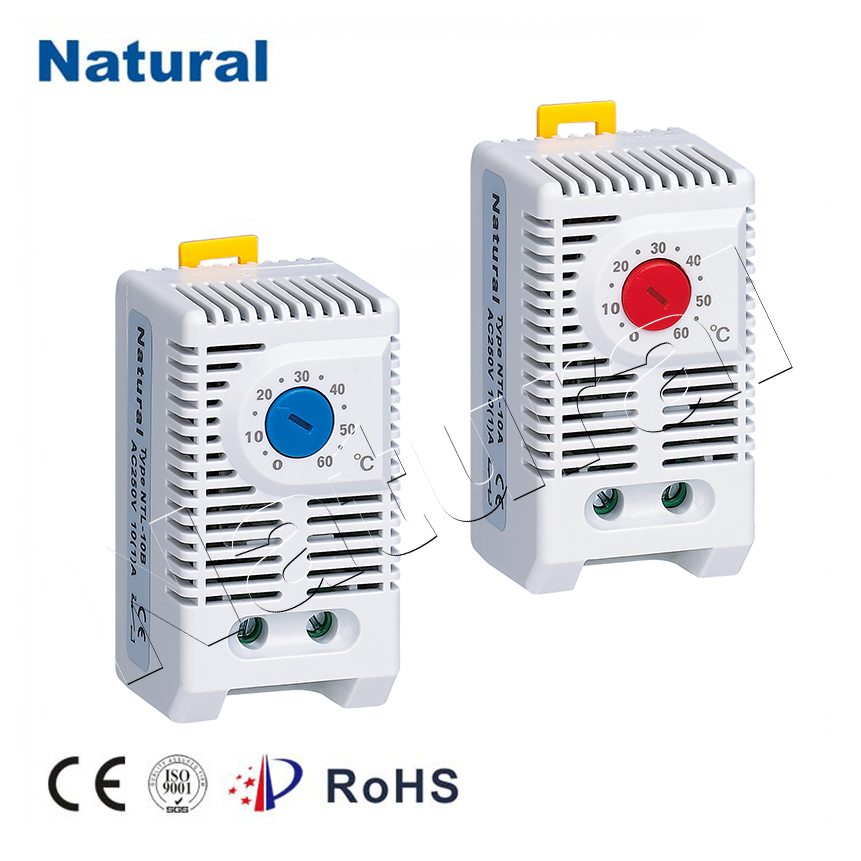
Thermostats: The Brain Behind Temperature Control At the heart of any temperature control system is the thermostat, a small device with a big impact. The primary role of a thermostat is to sense the ambient temperature and signal the heating system to turn on or off based on a user-set temperature threshold. This seemingly simple action is the cornerstone of energy-efficient temperature regulation. Modern thermostats come in various forms, from traditional dial-based ones to programmable and smart thermostats. Programmable and smart thermostats take temperature control to the next level. They allow users to create schedules that adjust the temperature settings based on their daily routines. For instance, a programmable thermostat can lower the temperature during working hours when the house is empty and raise it just before residents return home. Smart thermostats go even further, utilizing Wi-Fi connectivity and machine learning algorithms to learn from user preferences and external factors, optimizing the temperature settings without human intervention. Temperature Controllers: Precision in Action Temperature controllers play a crucial role in maintaining a consistent and comfortable environment. A temperature controller is a device that connects to the thermostat and the heater, actively regulating the amount of heat produced. When the thermostat signals that the temperature has dropped below the set threshold, the temperature controller activates the heater. As the temperature rises, the controller gradually reduces the heater’s output to prevent overshooting the target temperature. The beauty of temperature controllers lies in their precision. By avoiding abrupt temperature changes and preventing temperature overshoots, controllers not only enhance comfort but also save energy by eliminating wasteful heating cycles. This delicate balance ensures that the indoor climate remains stable and comfortable without unnecessary fluctuations. Heaters: Delivering Cozy Warmth Heaters are the workhorses of the temperature control system. They come in various forms, including electric heaters, gas furnaces, and radiant heating systems. The heater’s role is to generate heat and distribute it throughout the space, raising the temperature to the desired level. The collaboration between the thermostat, temperature controller, and heater ensures that the heating process is efficient, timely, and responsive to changes in the environment. Energy efficiency is a critical consideration when using heaters. Older heating systems might consume more energy than necessary, leading to higher utility bills and greater environmental impact. Modern heaters, equipped with energy-saving features and compliant with efficiency standards, address these concerns by delivering warmth while keeping energy usage in check. Conclusion: A Harmonious Blend of Comfort and Efficiency In the grand symphony of indoor climate control, thermostats, temperature controllers, and heaters harmonize to provide both comfort and efficiency. With the advancement of technology, these components have evolved to minimize energy consumption while ensuring that occupants experience consistent and cozy temperatures. As we continue to strive for sustainability and comfort in our living spaces, the synergy between these elements will undoubtedly play a pivotal role in achieving these goals.