Introduction
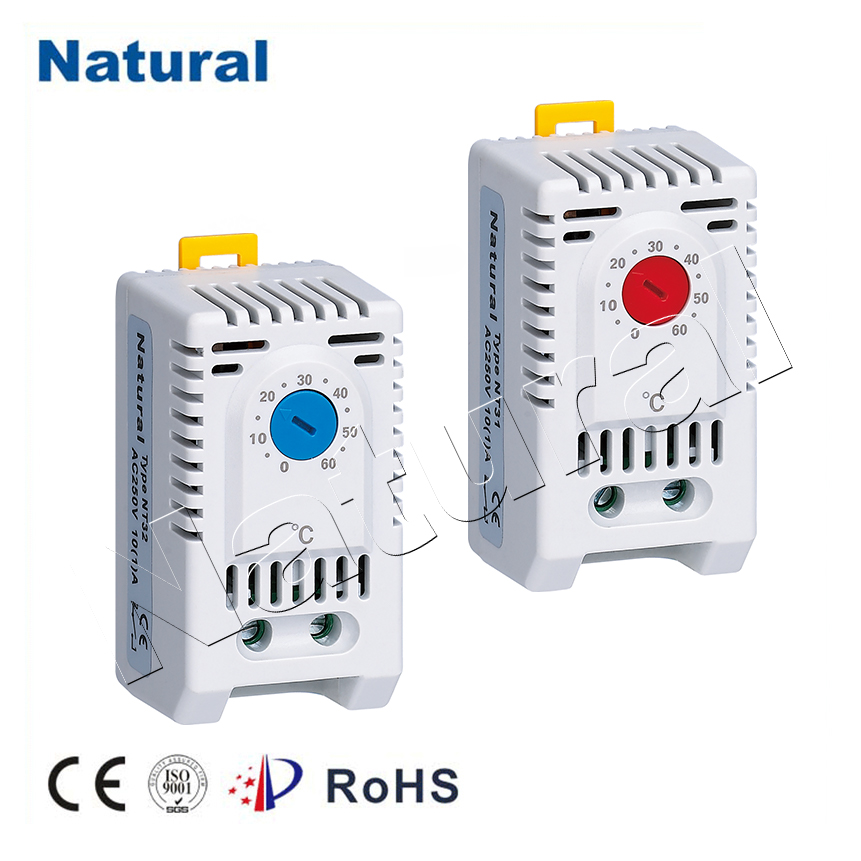
In the realm of modern technology, where automation and energy efficiency take center stage, the thermostat DIN rail has emerged as a crucial component in optimizing temperature control systems. This unassuming device, often overlooked, plays a pivotal role in various industrial and residential applications. In this article, we delve into the world of thermostat DIN rails, unraveling their significance, functionalities, and the myriad benefits they bring to our daily lives. Understanding Thermostat DIN Rails A thermostat DIN rail is a compact and standardized device that fits onto a DIN rail – a metal rail used for mounting various industrial control equipment. Its primary purpose is to regulate temperature by controlling heating, cooling, or ventilation systems. Unlike traditional thermostats, DIN rail thermostats offer greater flexibility and compatibility due to their standardized design. They are commonly employed in HVAC (Heating, Ventilation, and Air Conditioning) systems, industrial ovens, incubators, and many other applications requiring precise temperature management. Functionality and Features DIN rail thermostats boast an array of features that contribute to their widespread adoption. One key feature is their programmability. Users can define temperature setpoints, hysteresis values, and time delays, allowing for customized temperature profiles that align with specific operational needs. This versatility is particularly advantageous in environments where temperature fluctuations can impact product quality or process efficiency. Moreover, thermostat DIN rails often incorporate digital displays that provide real-time temperature readings and system status. This visibility empowers operators to monitor conditions closely and make informed decisions promptly. Some advanced models even offer remote connectivity, enabling users to adjust settings and receive alerts via mobile devices or computers, ensuring round-the-clock control and peace of mind. Benefits in Industrial Applications In industrial settings, precise temperature control is often paramount. Thermostat DIN rails shine in this regard, contributing to energy efficiency and operational excellence. By maintaining consistent temperatures, they enhance production processes, reduce material waste, and extend equipment lifespan. For instance, in manufacturing facilities, the precise regulation of temperature-sensitive chemicals can prevent unwanted reactions, leading to higher product quality and safety. Energy Efficiency and Cost Savings Thermostat DIN rails play a vital role in energy conservation. They prevent unnecessary heating or cooling, ensuring systems only operate when required. This proactive approach results in substantial energy savings, which is not only environmentally responsible but also financially rewarding. Businesses can significantly reduce utility bills, further justifying the initial investment in these devices. Integration with Building Management Systems In commercial buildings, DIN rail thermostats seamlessly integrate into larger building management systems (BMS). This integration allows for centralized control of heating and cooling across multiple zones, optimizing energy usage based on occupancy patterns and specific requirements. As a result, office spaces, shopping malls, and hotels can maintain comfortable environments while minimizing energy waste. Conclusion The thermostat DIN rail, though compact in size, is a powerhouse of efficiency and control. Its ability to maintain precise temperatures, coupled with programmable features and integration capabilities, positions it as a cornerstone of modern temperature management systems. Whether in industrial or commercial applications, the benefits it brings – from energy savings to enhanced product quality – are undeniable. As technology continues to advance, the thermostat DIN rail remains a vital tool in the pursuit of a more sustainable and streamlined future.