In the realm of modern technology, 220V thermostats have emerged as a pivotal advancement, transforming the way we control the temperature of our living spaces. These devices offer unparalleled efficiency and comfort, making them an indispensable component of contemporary households and commercial establishments alike.
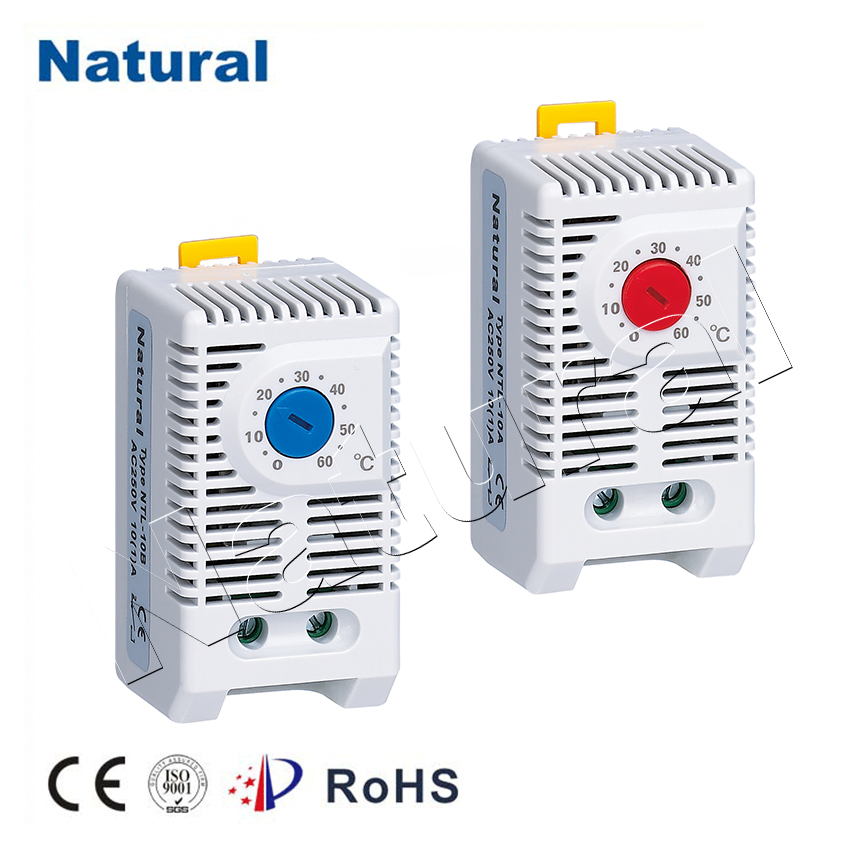
A thermostat, in essence, is a temperature-regulating device that enables users to maintain their desired climate within a given environment. The advent of 220V thermostats has greatly revolutionized this concept, as they are specifically designed to operate on a higher voltage level, resulting in enhanced performance and greater control. One of the key advantages of 220V thermostats is their ability to handle larger heating and cooling systems commonly found in commercial spaces and larger residential areas. This higher voltage empowers them to manage substantial energy loads efficiently, ensuring swift temperature adjustments while maintaining consistent comfort levels. This becomes especially crucial in spaces with high ceilings or areas prone to drastic temperature variations. Furthermore, the precision offered by 220V thermostats is truly remarkable. Their advanced sensors and microprocessors allow for accurate monitoring of temperature changes, enabling prompt responses to deviations from the set parameters. This precision not only guarantees a comfortable environment but also contributes to energy conservation by preventing unnecessary heating or cooling cycles. The integration of smart technology into 220V thermostats has elevated their utility even further. Many models now offer Wi-Fi connectivity and compatibility with smart home systems, enabling remote control through smartphones or voice commands. This feature proves invaluable for homeowners and building managers, as it permits them to adjust temperature settings from afar, optimizing energy usage according to occupancy patterns and external weather conditions. Energy efficiency lies at the heart of the 220V thermostat’s appeal. These devices not only maximize the performance of heating and cooling systems but also play a significant role in reducing energy consumption and utility costs. By maintaining precise temperature levels and minimizing wasteful operation, they contribute to a more sustainable living environment and a smaller carbon footprint. In terms of installation, 220V thermostats often require professional setup due to the higher voltage they handle. While this might seem like a drawback, it ensures the safe and proper functioning of the device, minimizing the risk of mishaps. Once installed, these thermostats operate seamlessly, requiring minimal maintenance and offering long-term reliability. In conclusion, the evolution of thermostats to accommodate 220V has ushered in a new era of efficiency and comfort. Their capacity to manage larger systems, coupled with precise monitoring and control, sets them apart as essential tools for maintaining optimal indoor environments. As technology continues to evolve, we can expect further innovations in the realm of thermostat design, all aimed at creating spaces that are both energy-efficient and exceptionally comfortable.