In the world of electronics and automation, the Dual Relay Module stands out as a vital component for a wide range of applications. This module allows low-power microcontrollers, such as Arduino and Raspberry Pi, to control high-voltage devices safely and efficiently. With an increasing number of applications ranging from home automation to industrial control systems, understanding the functionality, features, and applications of the Dual Relay Module is essential for both hobbyists and professional engineers alike.
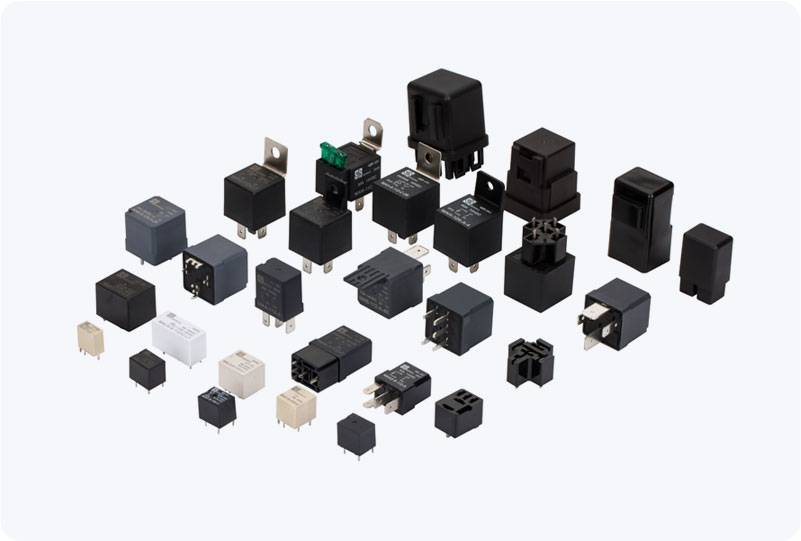
What is a Dual Relay Module? A Dual Relay Module consists of two independent relays, enabling it to control two separate circuits simultaneously. Each relay operates as a switch that can open or close an electrical circuit, providing a means to control power to a device. The module generally comes with control pins that interface with a microcontroller, along with power supply terminals for connecting the external devices. Key Features Relay Isolation: One of the defining features of the Dual Relay Module is its ability to provide electrical isolation between the control circuit and the load circuit. This isolation protects the low-voltage microcontroller from high-voltage spikes or malfunctions from connected devices, enhancing safety during operation.