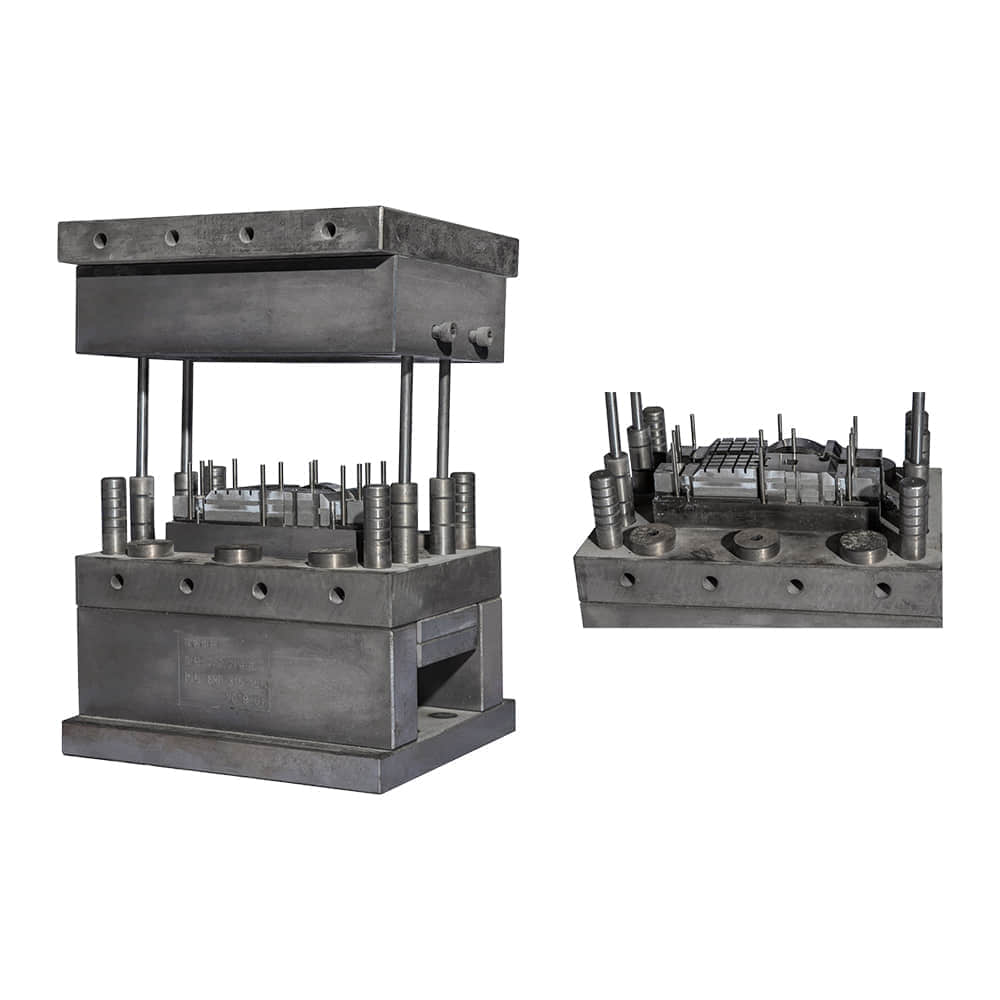
In the realm of industrial materials, thermosetting materials have risen as essential components in various sectors, thanks to their exceptional durability and versatility. Among these, DMC (Dough Molding Compound) thermosetting materials have gained prominence, offering a unique blend of mechanical strength, heat resistance, and design flexibility. DMC thermosetting material parts manufacturers are at the forefront of this innovation, playing a pivotal role in shaping industries ranging from automotive to electronics.
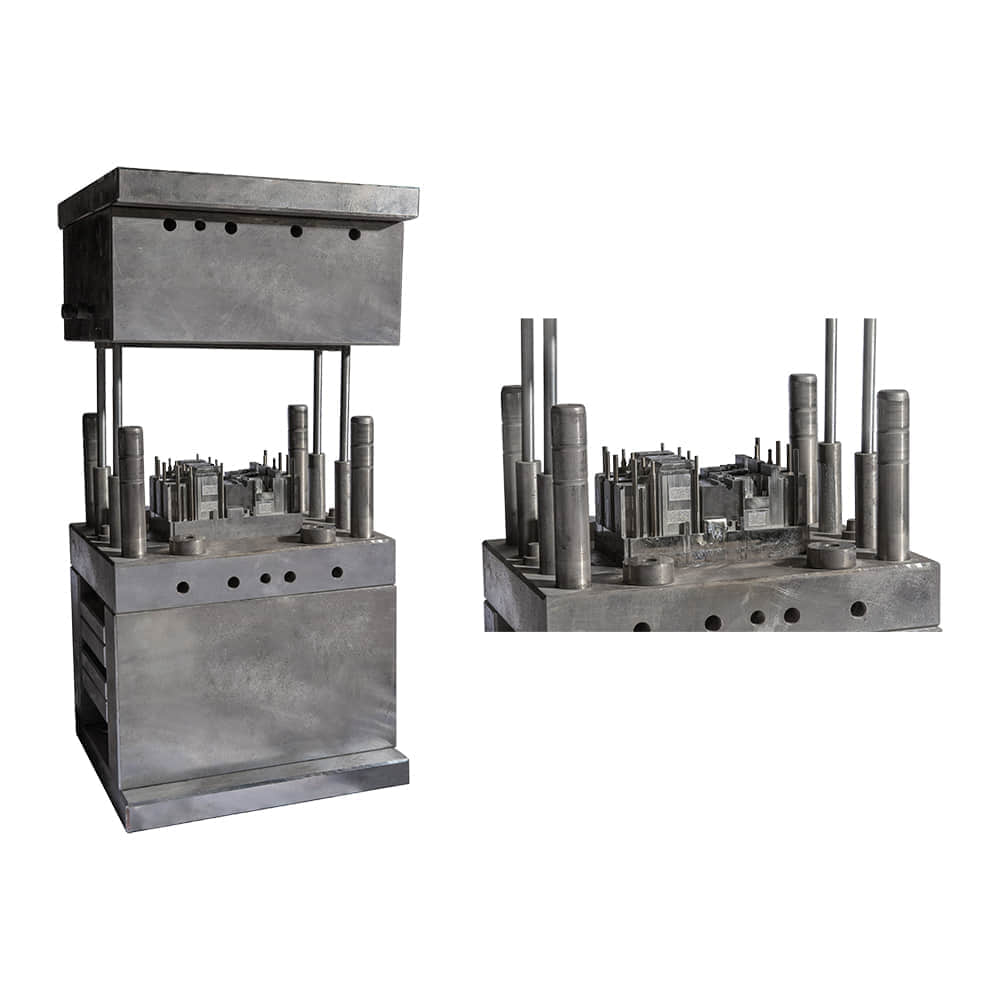
DMC thermosetting materials are composed of a mixture of resin, fibers, fillers, and additives. This blend forms a malleable compound that, when subjected to heat and pressure, undergoes a chemical transformation, solidifying into a robust and unyielding state. As a result, the manufactured parts exhibit outstanding mechanical properties, making them ideal for applications requiring structural integrity under duress.
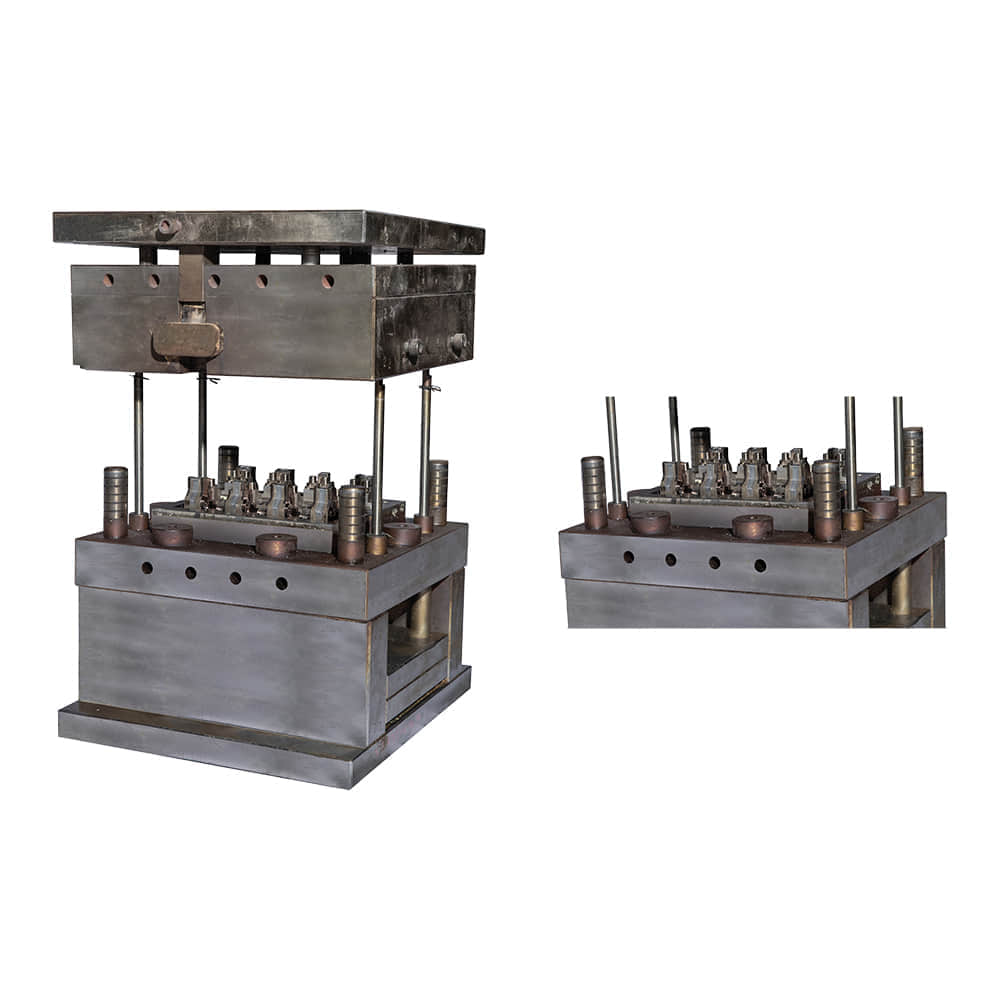
One of the industries where DMC thermosetting material parts have made a significant impact is automotive manufacturing. Bumpers, engine components, and electrical parts crafted from DMC materials showcase high impact resistance, essential for withstanding collisions and harsh road conditions. Additionally, DMC parts can be precisely molded into intricate shapes, allowing automobile designers greater freedom to balance aesthetics with functionality. The electronics sector has also integrated DMC thermosetting parts due to their exceptional thermal resistance. With the increasing miniaturization of electronic devices, efficient heat dissipation is crucial to maintain optimal performance and prevent malfunctions. DMC materials act as a reliable solution by ensuring components remain stable even in high-temperature environments, prolonging the lifespan of electronic products. DMC thermosetting material parts manufacturers continuously push the boundaries of innovation. Through extensive research and development, they have enhanced the material’s properties, opening doors for applications in new arenas such as renewable energy and aerospace. Wind turbine components made from DMC materials demonstrate enhanced resistance to UV radiation and temperature fluctuations, contributing to the sustainability of energy generation. Aerospace engineers are also turning to DMC thermosetting materials for their lightweight yet sturdy characteristics. Aircraft and spacecraft require materials that can endure extreme conditions while minimizing overall weight to improve fuel efficiency. DMC parts meet these criteria, showcasing a remarkable strength-to-weight ratio that can withstand the rigors of space travel and aviation. Moreover, the adoption of DMC thermosetting materials aligns with the global shift toward eco-friendly practices. These materials are recyclable and emit lower levels of volatile organic compounds (VOCs) during production compared to other plastics. As environmental concerns drive industries to seek sustainable alternatives, DMC thermosetting material parts manufacturers play a vital role in providing greener solutions without compromising on performance. In conclusion, DMC thermosetting material parts manufacturers are catalysts for innovation and progress across multiple industries. Their expertise in crafting durable, heat-resistant, and mechanically robust components has revolutionized sectors like automotive, electronics, renewable energy, and aerospace. As technology evolves and the demand for resilient materials grows, the contributions of DMC thermosetting material parts manufacturers will undoubtedly continue to shape the way we design, produce, and interact with various products in an ever-changing world.