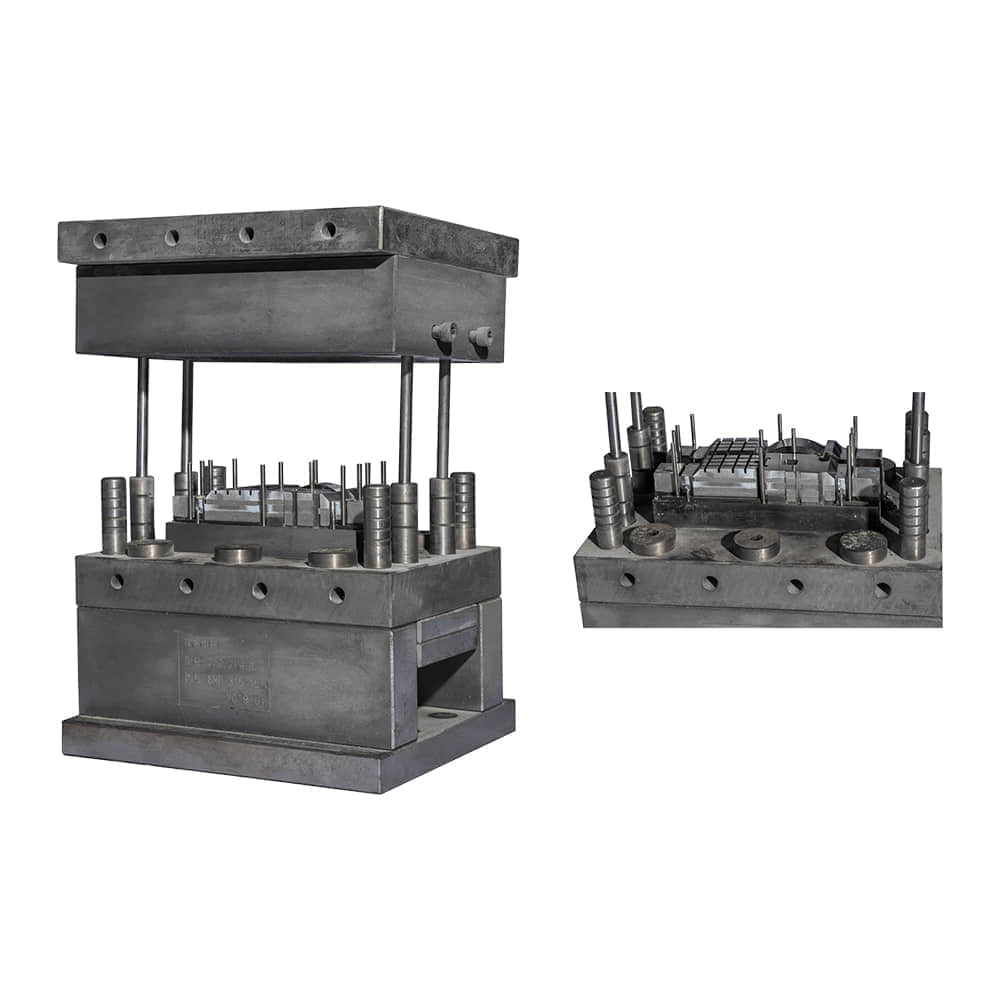
In the world of modern manufacturing, innovation has always been the driving force behind advancements. Among these innovations, the emergence of Direct Machine Communication (DMC) injection has sparked a revolution, fundamentally altering the landscape of precision and efficiency. This groundbreaking technology has not only streamlined manufacturing processes but has also significantly enhanced the quality of end products.
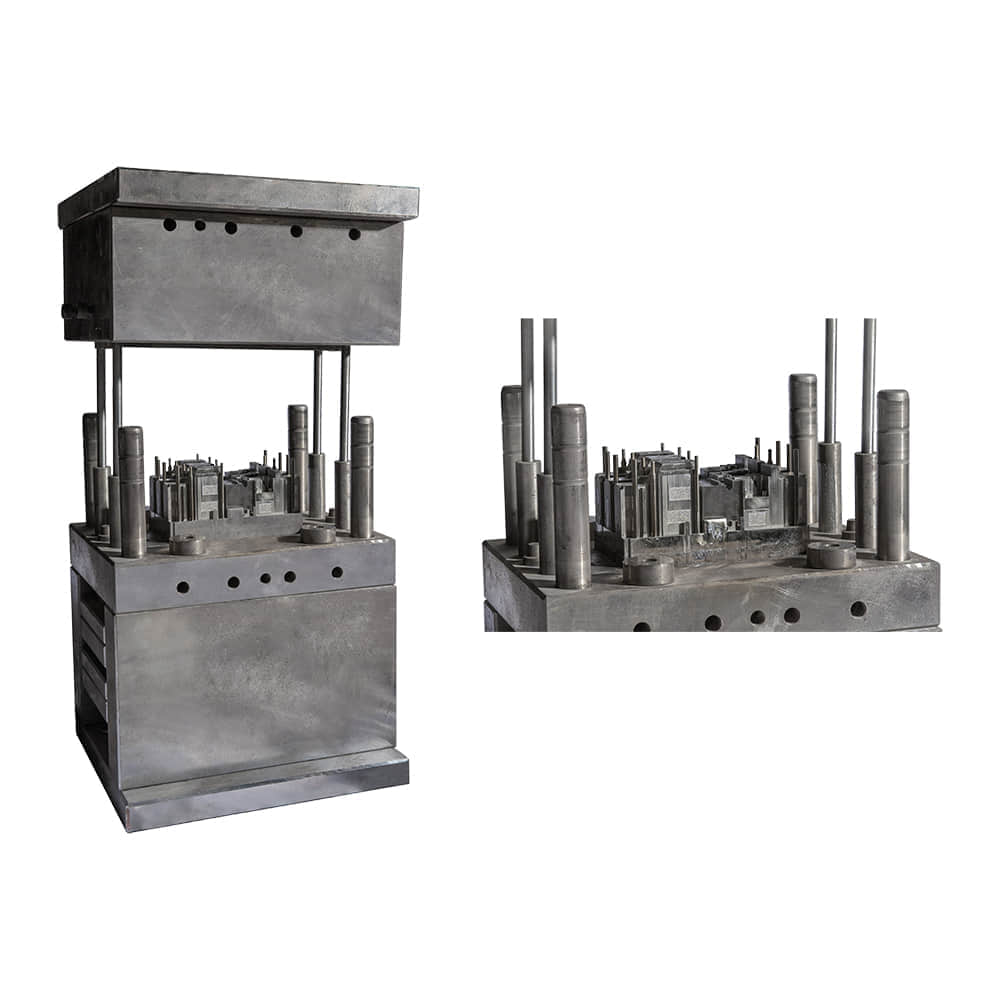
DMC injection is a cutting-edge technique that facilitates seamless communication between machines, enabling them to work in harmony with minimal human intervention. This method integrates computer systems, sensors, and automated machinery, creating a synchronized workflow that is remarkably accurate and efficient. The core principle of DMC injection lies in its ability to enable real-time data exchange and decision-making, ensuring that each step of the manufacturing process is optimized for precision and quality.

One of the most remarkable advantages of DMC injection is its ability to eliminate the potential for human error. Traditional manufacturing processes often involve manual interventions that can introduce inconsistencies and imperfections. DMC injection, on the other hand, mitigates these risks by centralizing control and automating intricate tasks. This results in a level of precision that was previously unattainable, leading to higher-quality products that meet the most stringent standards. Furthermore, DMC injection significantly enhances the speed of production. By enabling machines to communicate directly with each other, unnecessary delays caused by manual interventions are eliminated. This newfound efficiency translates to shorter production cycles, reduced lead times, and ultimately, greater productivity. Manufacturers can respond swiftly to market demands and reduce the time it takes for products to reach consumers. The environmental benefits of DMC injection are also noteworthy. With optimized production processes, there is a decrease in material wastage and energy consumption. Traditional manufacturing often leads to overproduction and inefficient resource usage. DMC injection’s streamlined approach allows for a more sustainable and eco-friendly production model, aligning with the growing global emphasis on environmentally conscious practices. Moreover, DMC injection opens doors to new possibilities in product design and customization. With enhanced precision, intricate and complex designs can be achieved with ease. This flexibility empowers manufacturers to create products that cater to individual customer preferences, promoting a higher level of customer satisfaction. However, as with any technological advancement, there are challenges that need to be addressed. Implementing DMC injection requires a significant initial investment in terms of technology acquisition and workforce training. Additionally, concerns related to data security and potential system vulnerabilities must be meticulously addressed to prevent cyber threats that could disrupt the entire manufacturing process. In conclusion, DMC injection stands as a monumental leap in the realm of manufacturing. Its ability to facilitate seamless communication between machines, eliminate human errors, enhance efficiency, and promote sustainability is transforming the industry. While challenges exist, the potential for higher quality products, reduced environmental impact, and increased customization make the adoption of DMC injection a step towards a brighter future for manufacturing. As technology continues to advance, it is imperative for manufacturers to embrace these innovations and reshape the industry’s landscape.