文章:
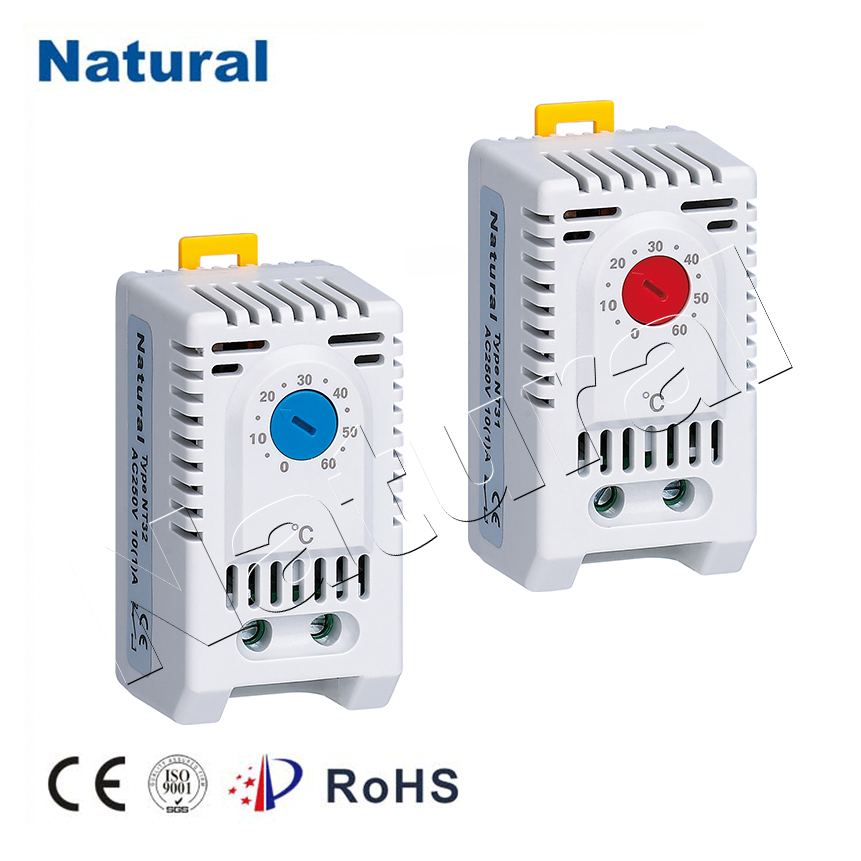
In today’s fast-paced world, precision and efficiency are key factors in any industry. When it comes to temperature control, the DIN thermostat stands out as a reliable and versatile solution. In this article, we will explore the features and benefits of the DIN thermostat, showcasing why it has become an essential tool for various applications. What is a DIN Thermostat? The term DIN stands for “Deutsches Institut für Normung,” which translates to the “German Institute for Standardization.” DIN thermostats are designed to meet strict quality and performance standards, making them highly dependable in a wide range of settings. These thermostats come in various sizes and configurations, but they all share the common goal of precise temperature regulation. Precision Control One of the standout features of DIN thermostats is their exceptional precision in temperature control. They utilize advanced sensors and algorithms to maintain the desired temperature within a narrow margin of error. This precision is crucial in industries like manufacturing, where even a slight temperature variation can lead to defective products or process inefficiencies. Versatility DIN thermostats are incredibly versatile and can be found in diverse applications. From industrial ovens and furnaces to scientific laboratories and HVAC systems, these thermostats have proven their reliability across the board. Their adaptability to different environments and requirements makes them a popular choice among engineers and technicians. User-Friendly Interface Despite their advanced technology, DIN thermostats are known for their user-friendly interfaces. They are designed to be easy to program and operate, ensuring that even non-technical users can set them up without hassle. This simplicity reduces the risk of errors and makes them accessible to a broader range of users. Energy Efficiency In an era where energy conservation is a top priority, DIN thermostats shine. They are designed with energy efficiency in mind, optimizing the heating and cooling processes to minimize energy consumption. This not only reduces operational costs but also contributes to a more sustainable future. Remote Monitoring and Control Many DIN thermostats come equipped with remote monitoring and control capabilities. This feature is invaluable for applications where real-time temperature adjustments are necessary. Whether you’re managing a complex industrial process or maintaining a controlled environment in a research facility, the ability to monitor and adjust temperatures remotely enhances efficiency and convenience. Durability and Reliability DIN thermostats are built to withstand harsh industrial environments. They are constructed using high-quality materials and are rigorously tested to ensure durability and reliability. This robust design ensures that they can operate consistently in demanding conditions, minimizing downtime and maintenance costs. Conclusion In conclusion, DIN thermostats have earned their reputation as precision temperature control solutions. Their versatility, user-friendly interfaces, energy efficiency, and durability make them a top choice across various industries. Whether you need to maintain precise temperatures in a laboratory, control industrial processes, or optimize HVAC systems, DIN thermostats offer the precision and efficiency required for the job. With their commitment to quality and performance, these thermostats are sure to remain a staple in temperature control for years to come.