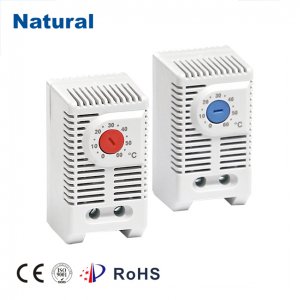
A differential thermostat is a specialized device used to regulate the temperature in various systems by detecting the difference between two temperatures. This temperature difference allows the thermostat to control the operation of heating or cooling devices to maintain an optimal temperature range. Widely used in applications such as heating systems, refrigeration, and solar water heaters, the differential thermostat ensures efficient energy use and precise temperature regulation.
Understanding the Working Principle
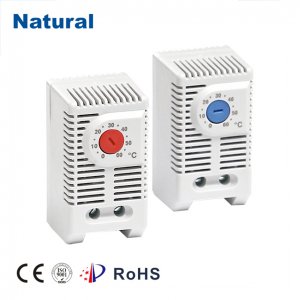
At its core, a differential thermostat functions by monitoring the temperature difference between two points—usually one in the environment and the other in the system it is controlling. For example, in a solar water heating system, one sensor is placed in the solar collector, and the other is placed in the storage tank. The thermostat continuously measures the difference between the temperatures at these two locations. When the temperature difference exceeds a preset threshold, the thermostat activates the system, typically turning on a pump to circulate water or heat the system. Conversely, when the temperature difference narrows, the system shuts off to prevent unnecessary energy consumption.