A DC Solenoid Valve is a crucial component used in a variety of industries, serving as an electromechanical device that controls the flow of fluids and gases. These valves are activated by the current passing through a solenoid coil, which generates a magnetic field that drives a plunger or armature to open or close the valve. The ability to control fluid flow with precision and efficiency makes the DC solenoid valve indispensable in automation, HVAC, medical, and many other systems. In this article, we will explore the working principle, key advantages, and various applications of DC solenoid valves.
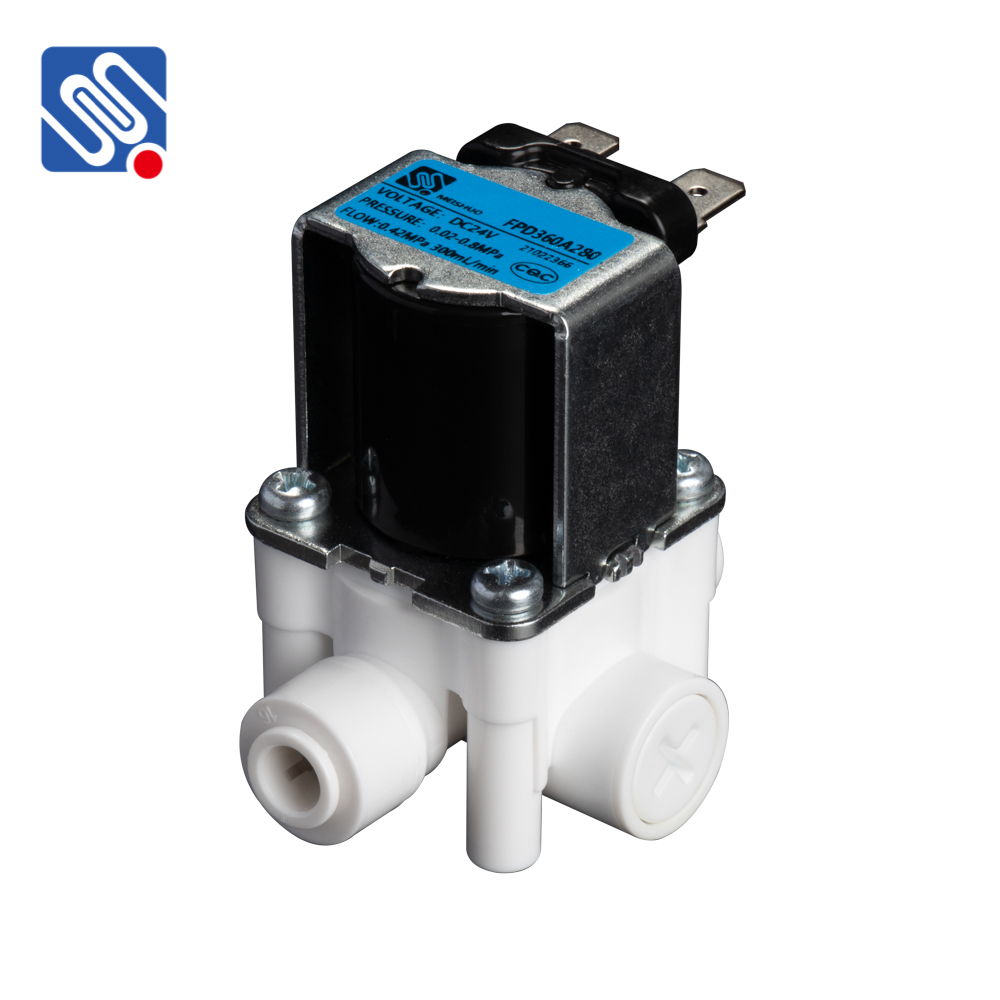
Working Principle of DC Solenoid Valve The operation of a DC solenoid valve is based on the fundamental principles of electromagnetism. The valve consists of a coil, a plunger, and a valve body. When a direct current (DC) voltage is applied to the solenoid coil, a magnetic field is created. This magnetic field attracts the plunger, which in turn opens or closes the valve depending on the configuration. When the current is removed, the magnetic field dissipates, and the plunger returns to its default position, typically with the help of a spring. The result is a rapid and reliable control of the flow of fluids or gases.