A damper actuator is a crucial device used in various systems, primarily for controlling the operation of dampers in air ducts, ventilation systems, and other industrial applications. As the name suggests, it is responsible for regulating the opening and closing of dampers, which are devices designed to control air or fluid flow. While the term may sound technical, damper actuators play an integral role in making HVAC (Heating, Ventilation, and Air Conditioning) systems more efficient, comfortable, and energy-conscious. In this article, we will explore the types, applications, and functioning of damper actuators and why they are indispensable to modern engineering and automation systems.
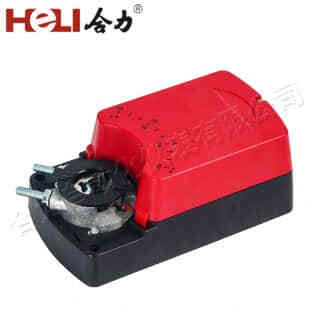
What is a Damper Actuator?
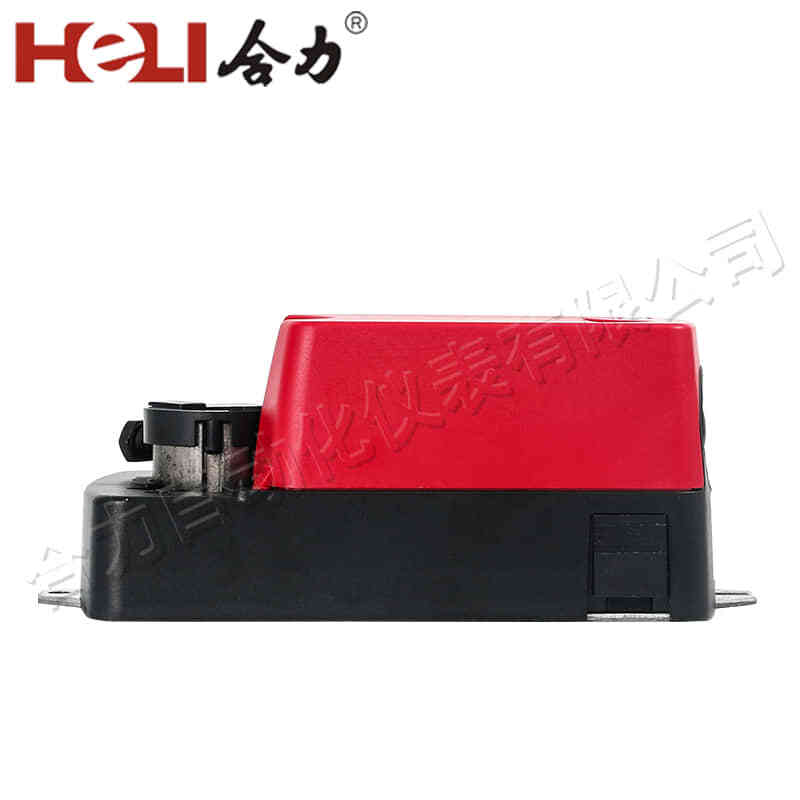
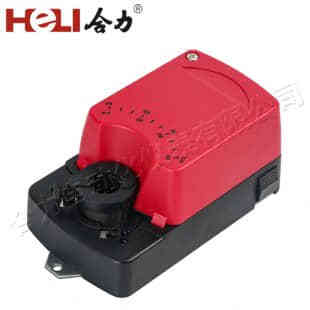
A damper actuator is an electromechanical device used to control the position of a damper. A damper itself is a movable barrier that adjusts the flow of air, water, or other fluids through a duct, pipe, or tank. The actuator controls the movement of the damper based on electronic or pneumatic signals, allowing for precise regulation of air or fluid flow. Whether used in HVAC systems, industrial machinery, or even smoke control systems, the damper actuator is essential for maintaining optimal performance, energy efficiency, and safety. Types of Damper Actuators Damper actuators come in different types, each suited for specific applications. The primary categories include:
Leave a Reply