The Cooling System Relay plays a crucial role in the efficient operation of automotive cooling systems. Its primary function is to control the activation of cooling components, such as the radiator fan, water pump, and other parts essential for maintaining engine temperature. Without the cooling system relay, your vehicle’s engine could overheat, potentially causing severe damage. In this article, we will explore the essential functions, importance, common failure modes, and maintenance of the cooling system relay.
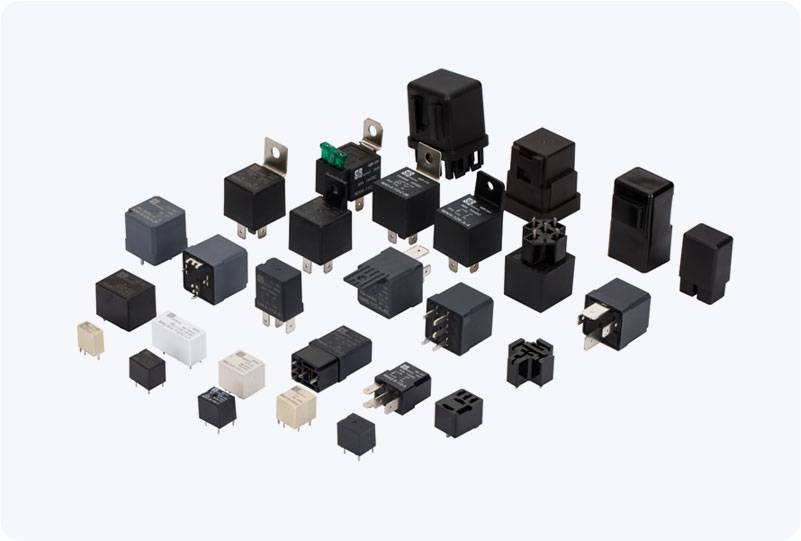
What Is a Cooling System Relay? A Cooling System Relay is an electrical component used to control the activation of the cooling system in a vehicle. It acts as a switch that connects or disconnects electrical circuits based on input signals. Typically, this relay controls the cooling fan and the water pump that circulates coolant throughout the engine. When the engine reaches a certain temperature threshold, the relay receives a signal from a temperature sensor, activating the cooling system components to prevent the engine from overheating. The relay itself is typically housed in a small, durable box and is located near the engine or within the vehicle’s fuse box. It works by completing or interrupting the electrical circuit between the battery, fan, and the relay itself. The cooling system relay is an essential part of a vehicle’s electrical system and ensures that the cooling components function correctly.