Relay testing is a crucial aspect of electrical systems that ensures the reliability and accuracy of protective relay devices. These devices, integral to the safe operation of power systems, detect faults and trigger circuit breakers to disconnect faulty sections. As the backbone of electrical protection, relay testing guarantees that the protective relays function correctly under fault conditions, minimizing the risk of equipment damage and system failure. This article aims to provide a comprehensive overview of relay testing, its methods, and its importance in maintaining electrical system integrity.
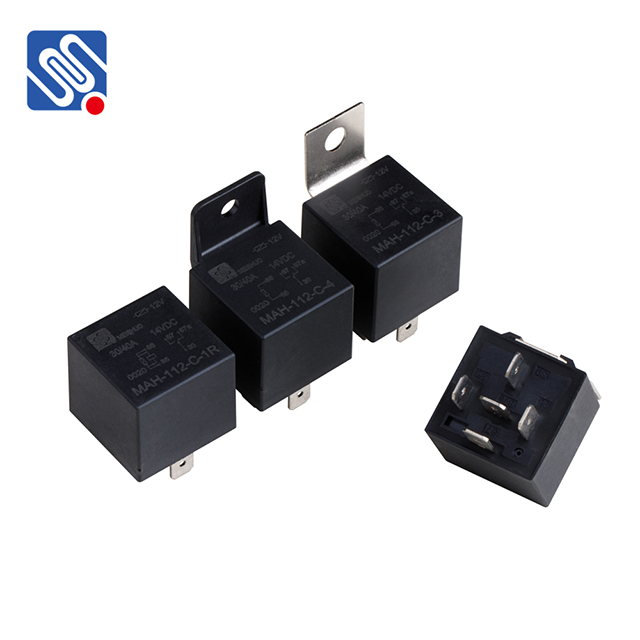
What is Relay Testing? Relay testing is the process of verifying and evaluating the performance of protective relays within electrical power systems. These relays are responsible for detecting abnormal conditions such as overcurrent, under-voltage, or short circuits, and taking appropriate actions, like triggering circuit breakers or isolating faulty equipment. Since protective relays serve as the first line of defense against potential electrical hazards, ensuring their accuracy and functionality is essential for the overall reliability of the system. Why is Relay Testing Important?