Relay testing is a crucial procedure in various industries, especially in electrical and automation systems, where the reliability and accuracy of relays directly impact the safety and efficiency of operations. Relays, which function as electromechanical switches, play a vital role in controlling and protecting electrical circuits. They are widely used for tasks such as controlling large electrical loads, providing overload protection, and initiating control functions in complex automation systems. Given their critical function, regular relay testing is essential to ensure their proper operation and prevent system failures.
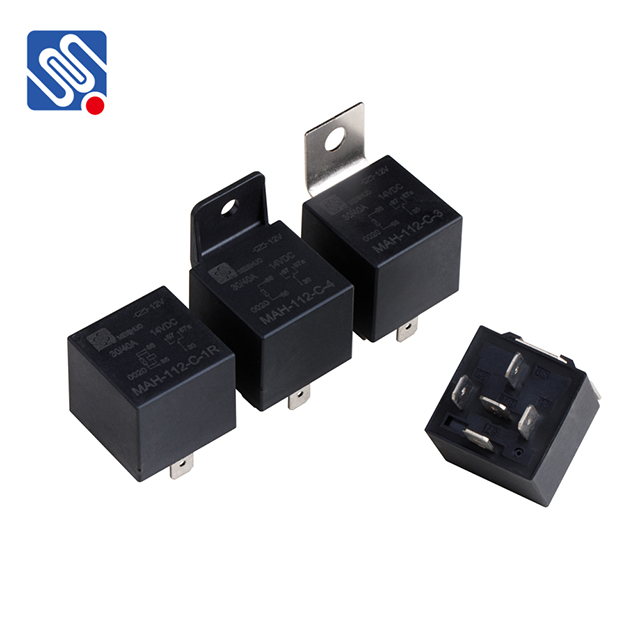
Understanding Relay Functionality Relays operate by opening or closing electrical contacts based on an external signal, often from a control circuit. When a specified voltage or current is applied to the relay’s coil, it activates an internal mechanism that moves contacts from an open state to a closed one or vice versa. This allows a small input signal to control a larger electrical circuit, enabling the relay to be used for switching, control, and protection functions. There are various types of relays, including mechanical relays, solid-state relays, thermal relays, and more, each having distinct characteristics and applications. Despite their differences, the core functionality remains the same: using low power to control high-power devices.