Relays are integral components in various electrical and electronic systems, enabling users to control circuits remotely and switch loads with high reliability. In this article, we will dive into Relay Application Notes, which provide essential guidance for engineers and designers seeking to implement relays effectively in their projects. These application notes offer crucial insights on understanding the operation of relays, selecting the right type for specific needs, and connecting them correctly in circuits.
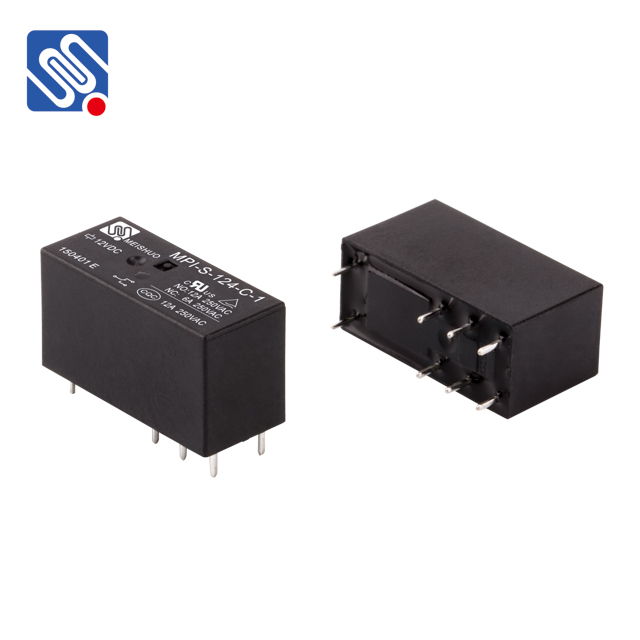
Understanding the Basics of Relays A relay is an electrically operated switch that allows one circuit to control another. It typically consists of a coil that generates a magnetic field when an electrical current passes through it. This magnetic field actuates a mechanical switch, either opening or closing contacts, depending on the relay’s design. Relays are often used to control high-voltage circuits with low-voltage control signals, making them crucial in automation, telecommunications, and automotive applications. Relay Application Notes usually begin by outlining the fundamental principles behind relay operation. Understanding how relays function helps users appreciate their role in switching mechanisms. When selecting a relay for a particular application, engineers need to consider key factors such as load type, voltage, current rating, switching speed, and durability.