Plastic water solenoid valves are integral components in many fluid control systems, widely recognized for their durability, reliability, and resistance to corrosion. These valves play a crucial role in regulating the flow of water and other fluids in various industries, from irrigation systems to water treatment plants. In this article, we will explore the features, applications, and advantages of plastic water solenoid valves, providing a comprehensive overview of why they are the preferred choice for many water control needs.
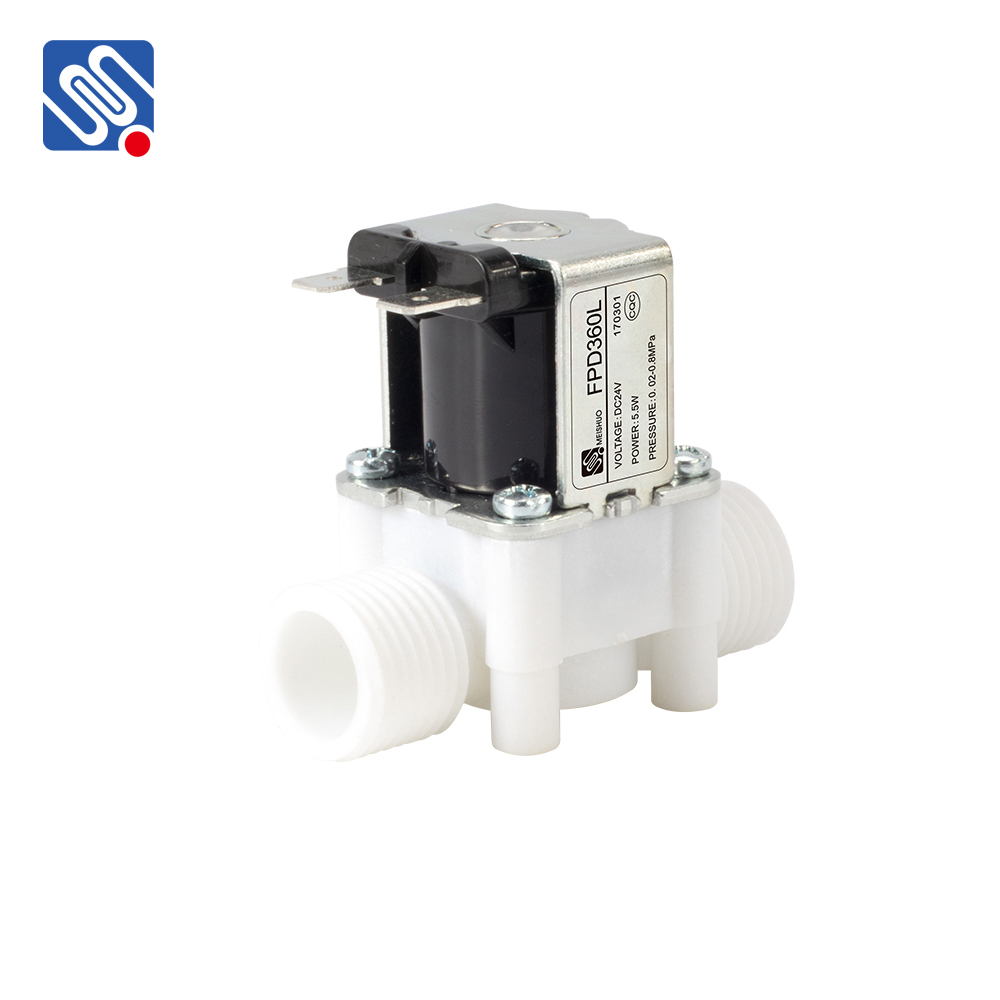
What is a Plastic Water Solenoid Valve? A plastic water solenoid valve is an electrically operated valve designed to control the flow of water or other fluids within a system. These valves consist of a plastic body, typically made from materials such as PVC, polypropylene (PP), or PVDF, and an electrically powered solenoid coil. When the solenoid is energized by an electric current, a magnetic field is created, causing the internal valve mechanism to either open or close, thus controlling the flow of water. The use of plastic in the construction of these valves makes them lightweight, resistant to corrosion, and suitable for a wide range of fluid control applications. Unlike traditional metal valves, plastic solenoid valves are less prone to rust and degradation, making them ideal for use in harsh environments where exposure to water, chemicals, or salts is common.