Introduction
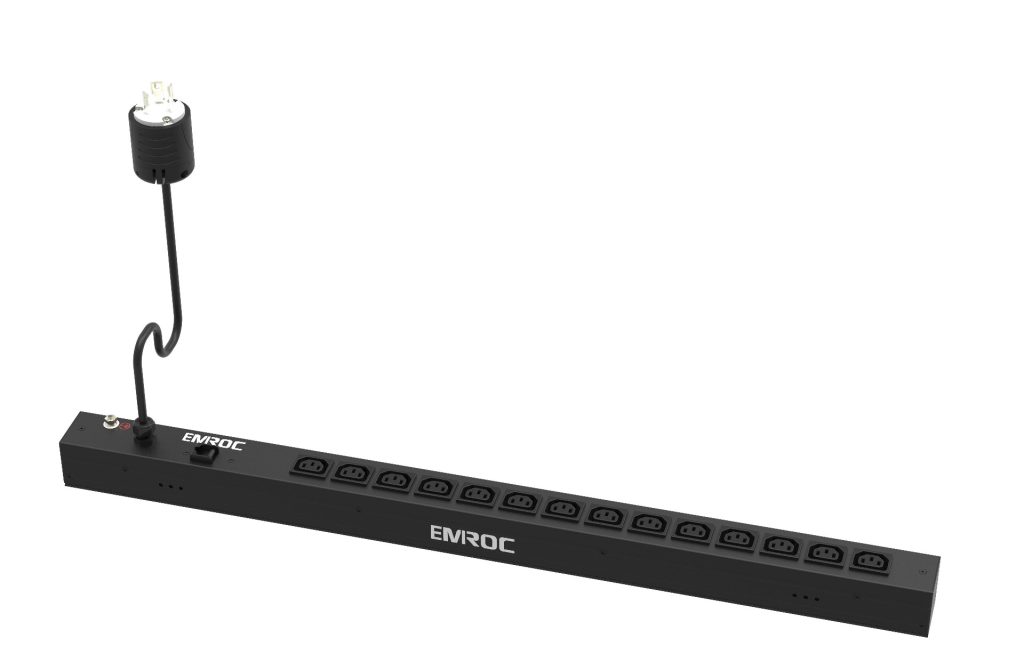
Power Distribution Units (PDUs) play a crucial role in managing and distributing electrical power within data centers and various industrial settings. With an array of brands vying for dominance in this competitive market, it becomes imperative to scrutinize and compare the features, performance, and reliability of these products to determine which brand of PDU stands out as the superior choice. Brand A: Cutting-Edge Technology and Unrivaled Performance Brand A has carved a niche for itself by consistently pushing the boundaries of technological innovation. Their PDUs are equipped with state-of-the-art features, such as remote monitoring and control capabilities, environmental sensors, and energy-efficient designs. The integration of intelligent power management software allows for real-time monitoring of power consumption, load balancing, and proactive troubleshooting. One of the key strengths of Brand A is its commitment to reliability. Their PDUs are engineered with robust components and undergo rigorous testing to ensure they can withstand demanding operational conditions. The brand’s focus on quality control has earned it a reputation for producing PDUs that exhibit minimal downtime, reducing the risk of critical system failures. Brand B: Simplicity and Cost-Effectiveness in Harmony In contrast, Brand B has garnered attention by prioritizing simplicity and cost-effectiveness without compromising on performance. Their PDUs offer user-friendly interfaces and straightforward installation processes, making them accessible even to non-technical personnel. This emphasis on simplicity not only reduces the learning curve but also contributes to quicker deployment times. Brand B’s PDUs excel in providing value for money. While they may lack some of the advanced features of their competitors, they offer a reliable and efficient power distribution solution at a fraction of the cost. For businesses seeking a balance between performance and budget considerations, Brand B’s PDUs present an enticing proposition. Comparative Analysis When evaluating PDUs from Brand A and Brand B, several factors come into play. Firstly, the intended usage scenario plays a significant role. Organizations with intricate power distribution needs and a high tolerance for investment might find Brand A’s technologically advanced PDUs more appealing. On the other hand, small to medium-sized businesses seeking a cost-effective yet reliable solution may gravitate towards Brand B’s offerings. Secondly, scalability and future-proofing should be considered. Brand A’s focus on cutting-edge technology positions its PDUs as forward-looking investments, capable of adapting to evolving power management requirements. Brand B’s simpler approach may lack the same degree of adaptability in the face of rapidly changing technological landscapes. Lastly, support and customer service should not be overlooked. Brand A’s premium pricing is often accompanied by comprehensive customer support, including timely assistance, regular updates, and warranty options. Brand B’s affordability might translate to more limited support, potentially posing challenges during troubleshooting or urgent situations. Conclusion In the realm of Power Distribution Units, the debate over which brand is better ultimately hinges on individual needs and priorities. Brand A offers advanced features, robustness, and a clear focus on technological innovation, making it suitable for enterprises with complex power distribution requirements. Brand B, on the other hand, caters to businesses seeking simplicity, cost-effectiveness, and quick deployment. In the end, the “better” brand is contingent on the specific context in which the PDUs will be utilized. Whether it’s cutting-edge technology or budget-conscious solutions, both Brand A and Brand B bring distinct advantages to the table. As the landscape of power distribution continues to evolve, the choice between these brands will continue to be influenced by the ever-changing demands of modern industries.