The Cold Water Solenoid Valve is an indispensable device in various automation systems, ensuring the precise regulation of cold water flow. It operates based on electromagnetic principles, offering high efficiency and reliability across many industries. Whether in household appliances, industrial applications, or irrigation systems, this valve plays a crucial role in optimizing water usage, improving energy efficiency, and enabling seamless automation. In this article, we will explore the working principles, applications, and benefits of the Cold Water Solenoid Valve, along with considerations for its selection and maintenance.
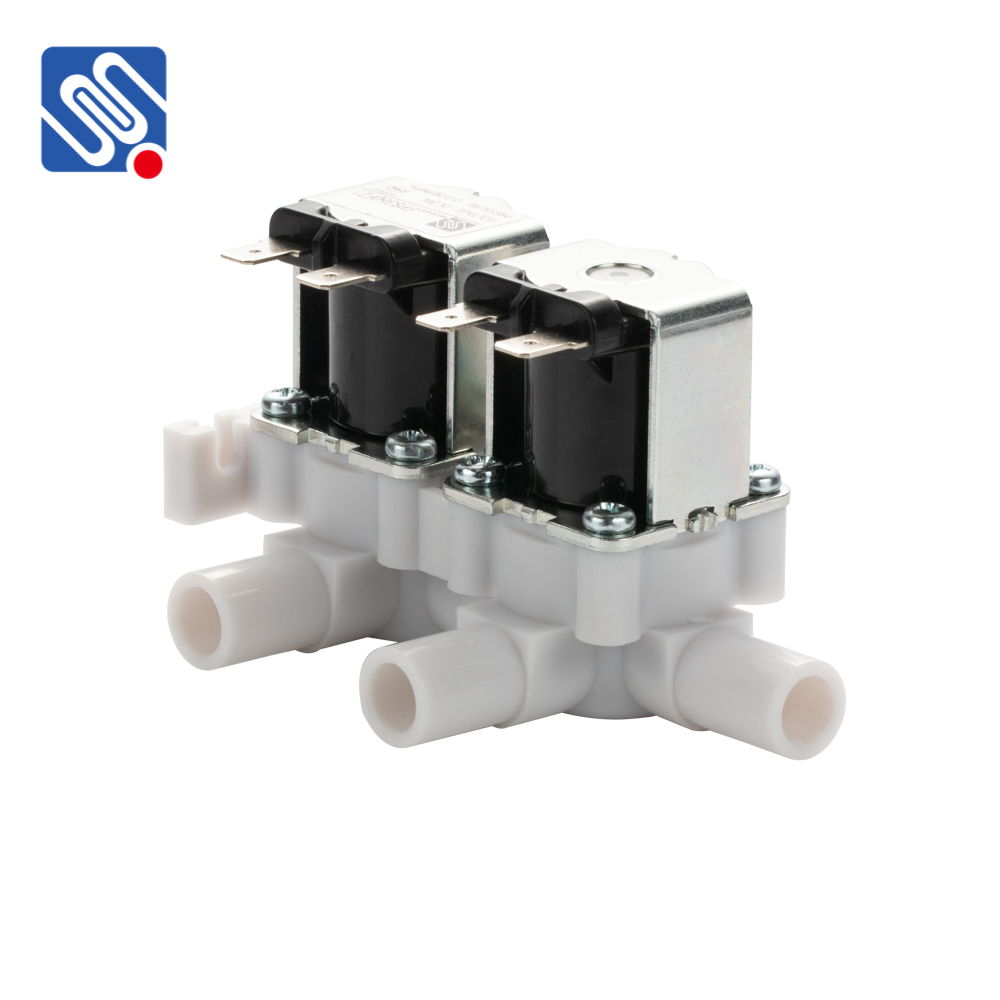
Working Principle of Cold Water Solenoid Valve A solenoid valve is an electromechanical device designed to control the flow of liquids or gases. The Cold Water Solenoid Valve functions by using an electromagnetic coil to control a valve that opens and closes in response to electrical signals. When an electrical current flows through the solenoid’s coil, it generates a magnetic field that pulls or pushes a plunger, causing the valve to open or close. Once the current is removed, the valve returns to its default position, either shutting off or allowing the flow of cold water. This simple yet effective mechanism allows the valve to regulate water flow automatically. The solenoid valve does not require manual intervention, making it ideal for applications where precise control over the water flow is needed. It can be controlled by a simple switch or integrated into more sophisticated systems that rely on sensors and automated programming.