The Cold Water Solenoid Valve is an essential device in modern water control systems. It uses the principle of electromagnetic force to regulate the flow of cold water automatically. Commonly found in household appliances, industrial systems, and irrigation setups, these valves play a key role in ensuring precise and efficient water management. This article explores the significance, working principle, applications, and advantages of Cold Water Solenoid Valves, highlighting why they are indispensable in various systems.
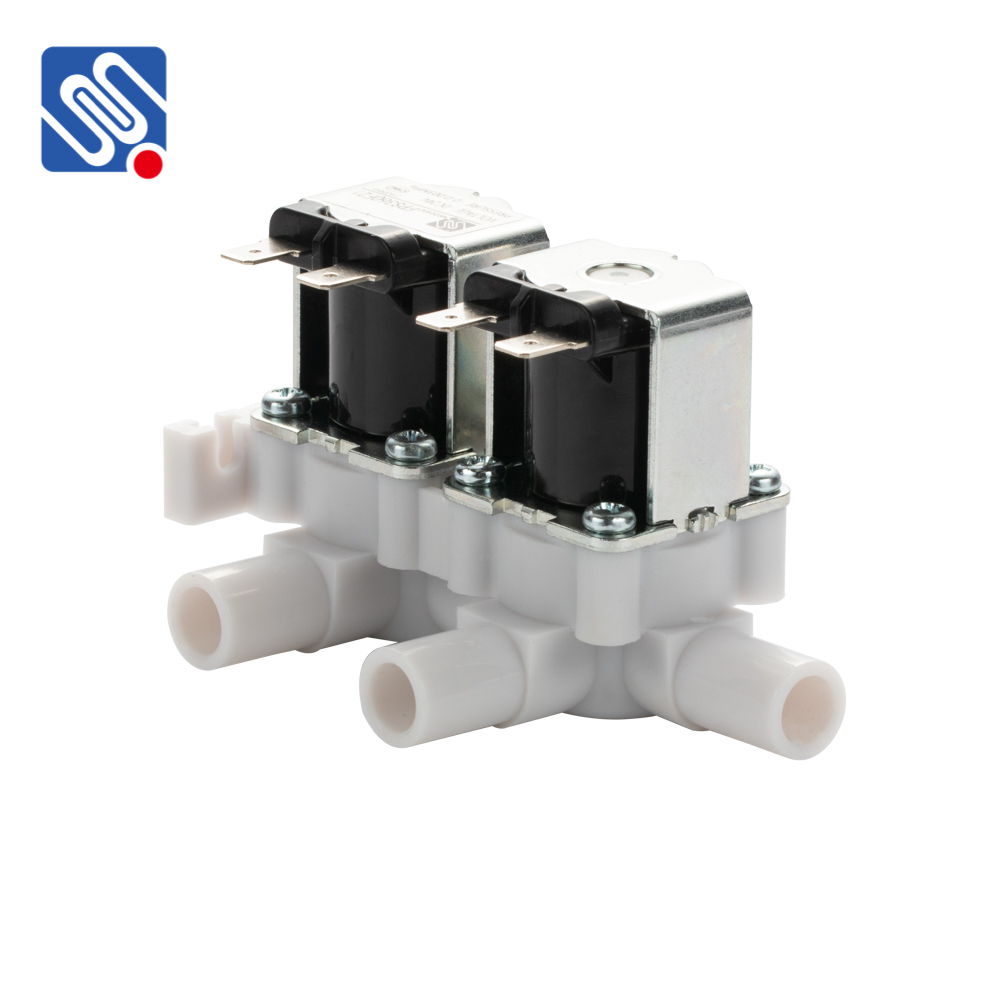
What is a Cold Water Solenoid Valve? A Cold Water Solenoid Valve is an electromechanical valve used to control the flow of cold water in a pipe or water system. The valve consists of a solenoid coil that, when energized, creates a magnetic field that pulls a plunger or valve core, opening or closing the valve. Conversely, when the current is switched off, a spring or mechanical force returns the valve to its closed position, halting the water flow. Working Principle The working principle of a Cold Water Solenoid Valve is straightforward. When electricity is supplied to the solenoid, it generates a magnetic field that attracts a metal core inside the valve. This movement either opens or closes the valve, depending on the design. The solenoid’s magnetic field serves as a fast-acting switch that controls water flow without the need for manual intervention.