A Circuit Breaker Relay is an essential component in modern electrical systems, functioning as the intelligent guardian that protects circuits from potential damage due to abnormal electrical conditions. Unlike a standard circuit breaker, which mechanically interrupts the flow of electricity during faults, a circuit breaker relay acts as the decision-making unit, monitoring electrical parameters and triggering the breaker when necessary. Its role is vital in ensuring both the safety of equipment and the continuity of power supply in residential, commercial, and industrial environments.
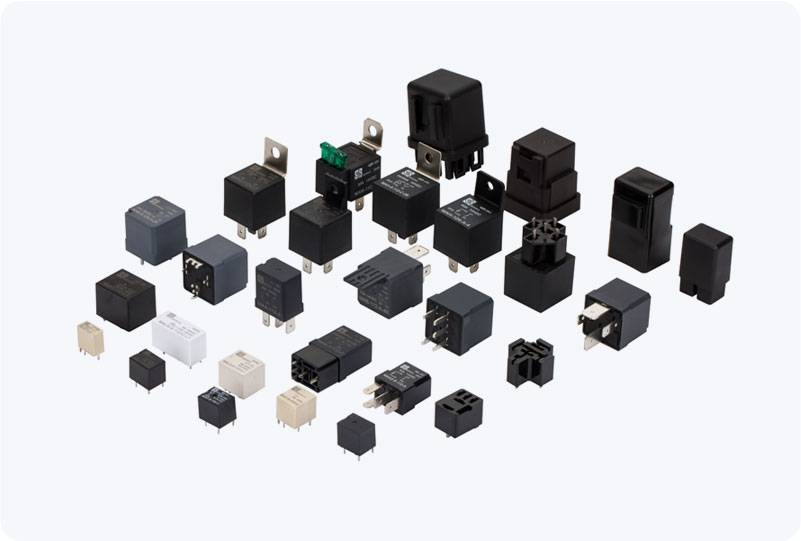
At its core, a circuit breaker relay is designed to detect irregularities such as overcurrent, short circuits, under-voltage, and over-voltage. When the relay senses an abnormal condition, it sends a signal to the connected circuit breaker to open the circuit, thereby preventing overheating, equipment failure, or even catastrophic events like fires. This proactive approach allows electrical systems to operate safely under varying load conditions and reduces the risk of extensive downtime caused by electrical faults. The structure of a circuit breaker relay typically includes sensing elements, a logic or comparison unit, and an output mechanism. Sensing elements continuously monitor electrical parameters like current and voltage. The logic unit evaluates the readings against preset thresholds and decides whether the condition warrants a breaker trip. Finally, the output mechanism communicates with the breaker, initiating a mechanical disconnection of the circuit. Modern relays often come with digital interfaces, allowing them to communicate with supervisory control systems for remote monitoring, data logging, and predictive maintenance.
Leave a Reply