Electric single seat regulating valves are essential components in modern industrial systems, providing precise control over the flow of liquids, gases, and steam. These valves play a pivotal role in ensuring that processes remain stable and efficient, especially in industries such as chemical processing, HVAC, power generation, and water treatment. As the demand for automation and precise flow control continues to rise globally, China has emerged as a leading manufacturer of electric single seat regulating valves. In this article, we will explore the key features and advantages of these valves, as well as the growing role of Chinese manufacturers in meeting the needs of various industries worldwide.
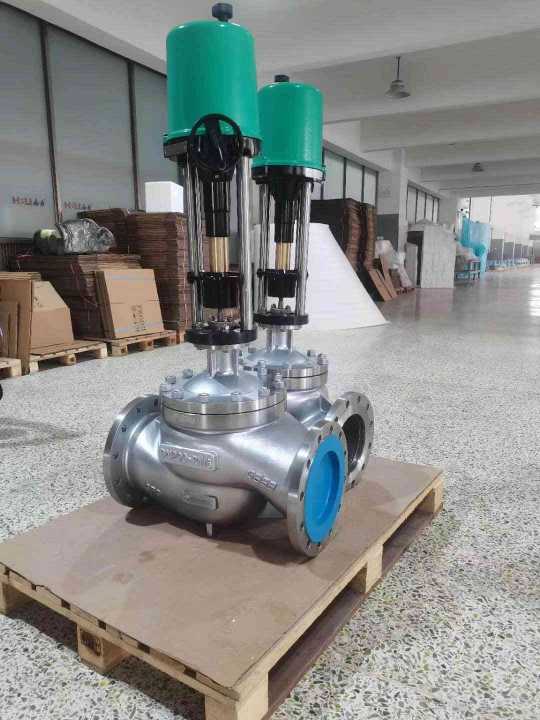
The Basics of Electric Single Seat Regulating Valves An electric single seat regulating valve consists of two main components: the valve body (typically designed in a single-seat configuration) and an electric actuator. The valve body is responsible for controlling the flow of fluid through the system, while the actuator enables precise adjustment based on signals from control systems. These valves are called “single seat” because they have a single sealing surface, which is designed to offer high sealing performance, especially for moderate pressure and flow applications. Electric actuators are used in these valves to provide automatic control, allowing for adjustments in the valve opening to regulate the flow rate. Unlike manual valves, which require human intervention, electric regulating valves are integrated into automated systems. This allows them to respond quickly to changes in process variables such as temperature, pressure, or flow, ensuring that systems operate efficiently and safely.