In recent years, China has emerged as a global leader in the manufacturing of industrial components, especially when it comes to specialized products like electric anti-corrosion ball valves. These valves play an essential role in controlling the flow of liquids and gases in various industries, offering reliability and efficiency, particularly in environments prone to corrosion. The electric anti-corrosion ball valve is designed to withstand harsh conditions and is indispensable in industries such as chemical processing, water treatment, oil and gas, and power generation. In this article, we will explore the significance of these valves, their applications, and why China has become the go-to destination for manufacturers in this field.
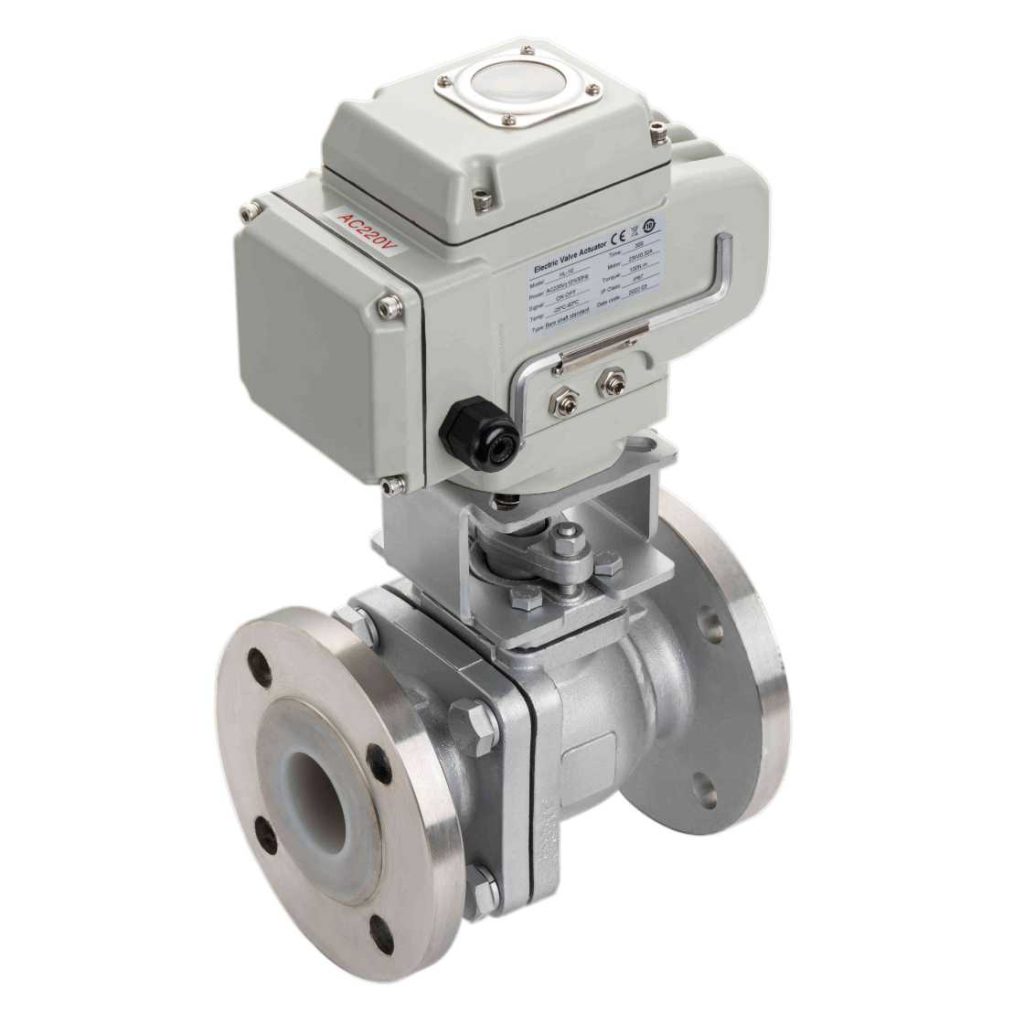
The Role of Electric Anti-Corrosion Ball Valves
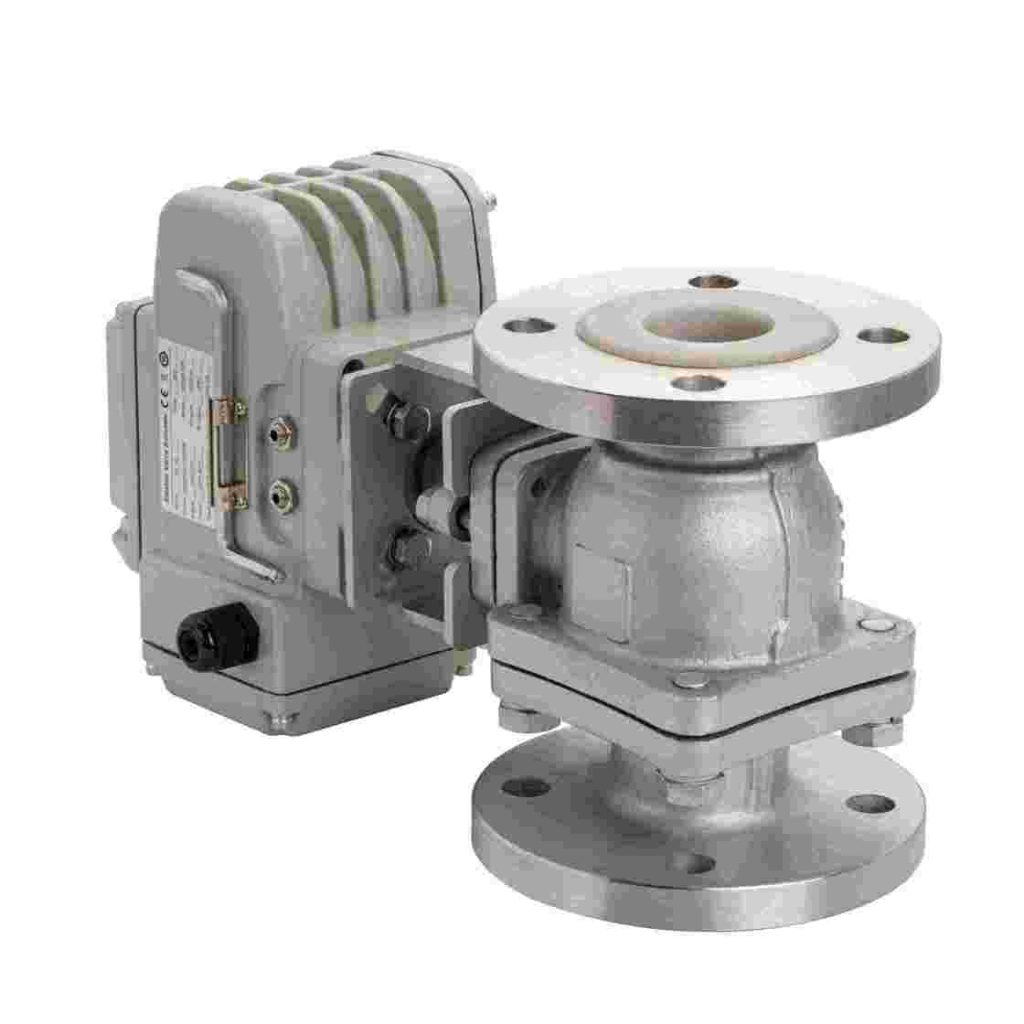
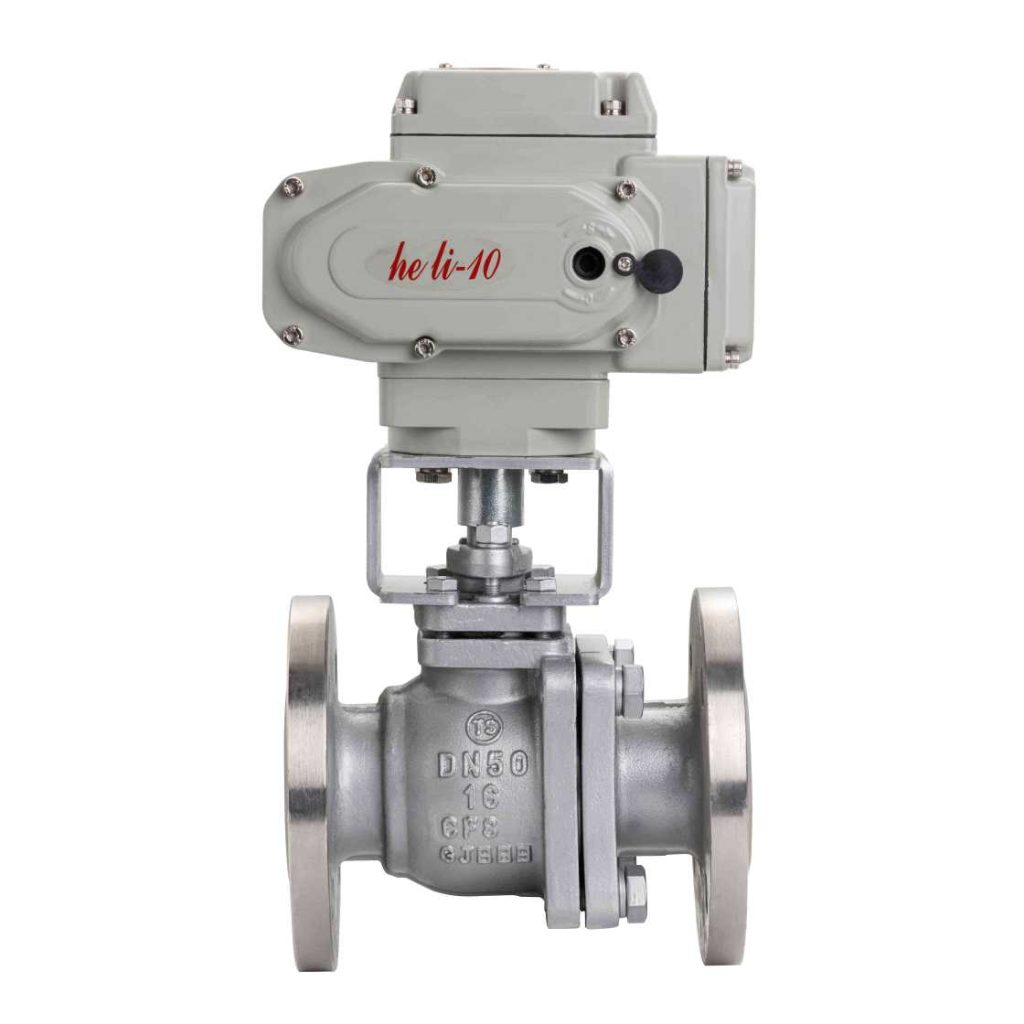
Ball valves are widely used for controlling the flow of fluids in pipelines, thanks to their durability and ease of operation. When combined with electric actuators, these valves offer enhanced control and automation, making them an ideal choice for industries requiring precise flow management. The main distinguishing feature of the electric anti-corrosion ball valve is its ability to resist corrosion caused by aggressive chemicals, high temperatures, or moisture, which can damage ordinary valves over time. The ball valve itself consists of a hollow, perforated, and pivoting ball. When the valve is opened, the ball rotates to allow the flow of liquid or gas. When closed, the ball turns to block the flow, ensuring a leak-proof seal. The electric actuator allows for remote or automated operation, eliminating the need for manual intervention and improving operational efficiency.
Leave a Reply